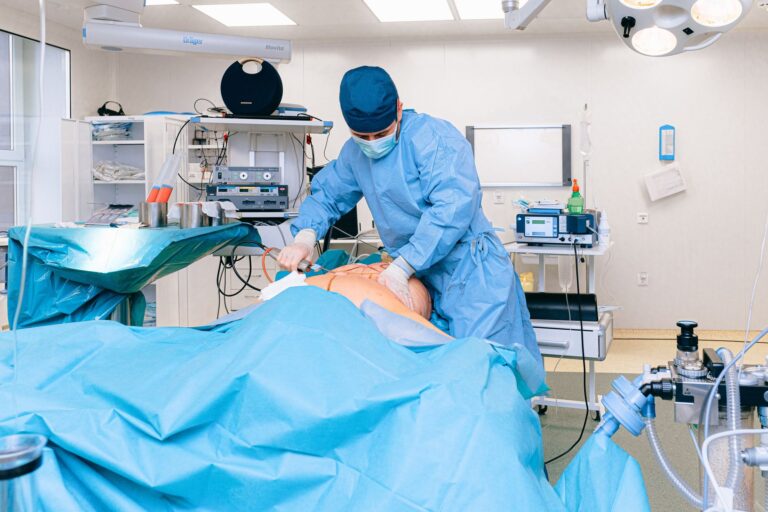
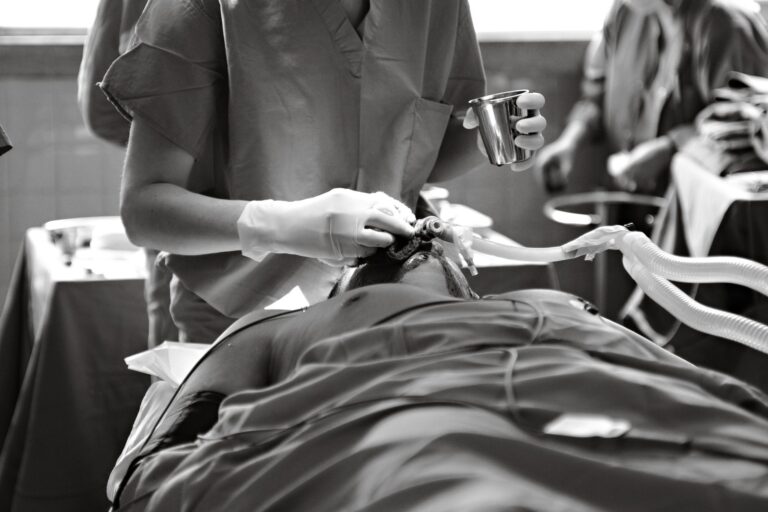
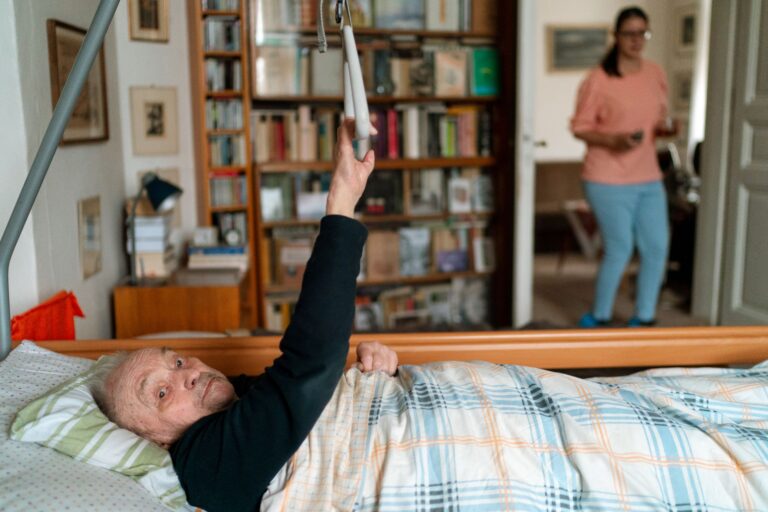
General anesthesia does not appear to raise dementia risk any differently for someone with a family history of Alzheimer's than for anyone else — but a family history is already its own independent risk factor, so it's worth separating what surgery adds from what genetics already contribute. The honest answer is that the strongest evidence links post-surgery complications, not the anesthetic itself, to later cognitive decline, and family history changes how carefully those complications should be watched for. That distinction matters because patients and families often ask the wrong question before surgery. The useful question isn't "will anesthesia cause Alzheimer's," but "what about this surgery and recovery could make an existing vulnerability show up sooner.".
Medical information disclaimer: This article is for general educational purposes only and does not provide medical advice, diagnosis, or treatment. Always consult a physician or other qualified health professional about symptoms, medications, tests, or treatment decisions.
Table of Contents
- Does General Anesthesia Itself Raise Dementia Risk?
- What Family History Actually Adds to the Picture
- Why Delirium Matters More Than the Anesthetic
- Questions to Ask the Surgical and Anesthesia Team
- What a Small Tau Study Does — and Doesn't — Show
- Frequently Asked Questions
Does General Anesthesia Itself Raise Dementia Risk?
The evidence is mixed and leans toward surgery-related factors rather than the anesthetic drugs alone. A Korean nationwide cohort study of adults over 50 found that general anesthesia exposure was linked to a higher adjusted dementia hazard, with the risk climbing alongside both the number of times someone was exposed and the total cumulative exposure time, according to a cohort study published on PMC. A separate meta-analysis pooling 23 studies and roughly 412,000 patients likewise found a positive association between general anesthesia and a later Alzheimer's or dementia diagnosis, though the studies disagreed enough with each other that the finding should be read as a signal, not a settled cause, per the pooled analysis on PMC. Other research complicates that picture.
A propensity-matched cohort of older adults in the Journal of the American Geriatrics Society found no difference in dementia diagnosis risk between patients who received general anesthesia and those who received regional anesthesia for the same elective surgery, as cited in a PMC review. A 2003 randomized trial of 438 patients over 60 undergoing major non-cardiac surgery found no significant difference in cognitive dysfunction at three months between the two anesthesia types — though mortality was higher in the general anesthesia group, four deaths versus zero, according to the Rasmussen et al. trial. Taken together, the anesthetic choice itself looks less decisive than what happens during and after the operation.
What Family History Actually Adds to the Picture
A family history of Alzheimer's is already an established, independent risk factor for the disease on its own — grouped alongside older age, female sex, cardiovascular disease, head trauma, depression, and lower education, according to a systematic review on PMC. That risk exists whether or not someone ever has surgery. Anesthesia research hasn't established that it adds a separate, multiplying risk on top of that baseline.
Where family history becomes practically relevant is genetics. A family history of Alzheimer's often correlates with carrying the APOE4 gene variant, and evidence on whether APOE4 raises the risk of postoperative cognitive problems is mixed. One cohort of older adults found that APOE4 carriage, combined with sedating pre-surgery medication and sevoflurane anesthesia, was linked to a notably higher odds of postoperative cognitive dysfunction, while other studies found no established APOE-dementia link at all, per cohort research on PMC. A small 2025 study of 113 colon cancer surgery patients found that APOE ε4 carriers had statistically significant cognitive impairment seven days after surgery — a preliminary result given the sample size, according to the 2025 study.
Why Delirium Matters More Than the Anesthetic
The clearest signal in this research points to delirium, a state of acute confusion and disorientation that can follow surgery, rather than to anesthesia itself. A 2022 retrospective cohort study in the Journal of Surgical Research found that postoperative delirium was the strongest factor linked to a new dementia diagnosis within one year after major surgery in patients over 50, according to Mohanty et al.'s 2022 study.
The Alzheimer's Association states that delirium, including delirium tied to surgery, is associated with higher later dementia risk, but notes it remains unclear whether delirium itself causes dementia or instead unmasks neurodegeneration that was already quietly present, per the Alzheimer's Association. For someone with a family history of Alzheimer's, this is the more actionable concern: delirium may be revealing a process that was already underway rather than starting a new one. That reframes the pre-surgery conversation around preventing and catching delirium, not around refusing anesthesia.
Questions to Ask the Surgical and Anesthesia Team
Given what the evidence supports, the most useful preparation is a short, specific conversation before surgery rather than a decision to avoid it. Questions worth raising include: These questions don't require disclosing genetic testing results or an APOE4 status, though sharing a family history of Alzheimer's with the surgical team gives them a reason to watch more closely for delirium during recovery.
- Will this be general anesthesia, regional anesthesia, or sedation, and is there a clinically appropriate alternative to general anesthesia for this specific procedure?
- What is the care team's protocol for preventing and monitoring postoperative delirium, especially in older patients or those with a family history of dementia?
- Will a baseline cognitive assessment be done before surgery, so any post-operative changes have something to be compared against?
- What pre-surgery medications are planned, and could any of them be more sedating than necessary given a family history of Alzheimer's?
- Who should be contacted, and how quickly, if confusion or disorientation appears after surgery?
What a Small Tau Study Does — and Doesn't — Show
Some readers encounter a frequently cited Penn Medicine study and assume it proves anesthesia triggers Alzheimer's pathology directly. In that study, researchers measured cerebrospinal fluid in 11 patients having nasal surgery and found that tau, a protein associated with Alzheimer's disease, rose significantly in the 6 to 48 hours after anesthesia and surgery, while amyloid-beta, the other hallmark Alzheimer's protein, did not change significantly, according to the Penn Medicine findings.
The study's own lead author described the result as "not definitive" for Alzheimer's risk, given how small and short-term the study was. That finding is a biological observation worth knowing about, not a conclusion that a single surgery changes someone's Alzheimer's trajectory. It sits alongside the delirium research as one more reason recovery monitoring matters more than the anesthesia decision itself.
Frequently Asked Questions
Should someone with a family history of Alzheimer's avoid general anesthesia?
The evidence doesn't support refusing general anesthesia based on family history alone; trials comparing general and regional anesthesia found no difference in cognitive outcomes for the same surgery.
Does having the APOE4 gene mean surgery is riskier?
Evidence is mixed — one cohort linked APOE4 carriage, sedating medication, and a specific anesthetic to higher odds of postoperative cognitive dysfunction, while other studies found no clear APOE-dementia link, so it's a point to mention to the care team rather than a reason to decline surgery.
What single post-surgery symptom is worth watching for most closely?
Delirium — acute confusion or disorientation — is the factor most strongly tied to a new dementia diagnosis within a year of major surgery in patients over 50.