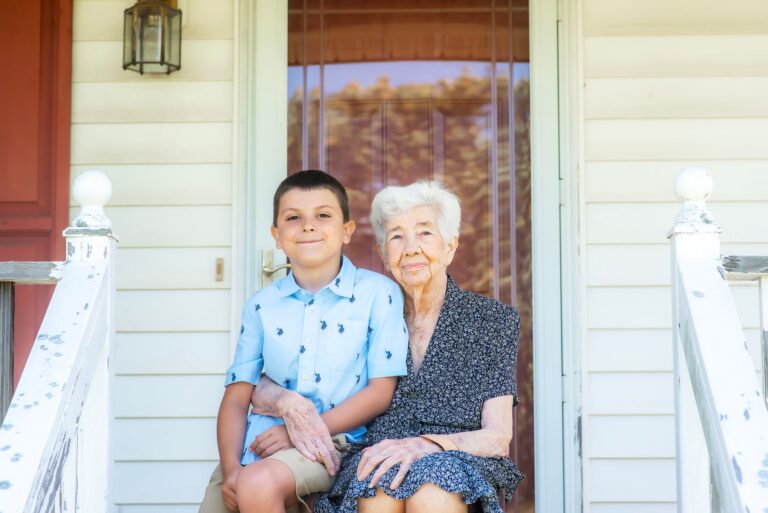
When someone with dementia stops engaging with a familiar music session, the right move is to switch activities, not push harder. Caregivers can rotate in gentle movement, hands-on tasks, reminiscence with photos, or one-to-one sensory activities depending on what the person can still do and enjoy. Loss of interest usually signals a mismatch, not a loss of ability. Penn State Extension notes that caregivers should try a different activity, take a break, or revisit the activity at another time of day, since timing or difficulty is often the real obstacle rather than the activity itself.
Medical information disclaimer: This article is for general educational purposes only and does not provide medical advice, diagnosis, or treatment. Always consult a physician or other qualified health professional about symptoms, medications, tests, or treatment decisions.
Table of Contents
- Why a Music Session Stops Working
- Active Alternatives for Groups Who Still Engage
- One-to-One Options for Later Stages
- What the Evidence Says About Reminiscence and Multisensory Options
- Which Alternative Has the Strongest Track Record
- Frequently Asked Questions
Why a Music Session Stops Working
A person who once enjoyed group singing or listening sessions may disengage for reasons that have nothing to do with the music itself. Penn State Extension points out that activities work best when matched to someone's own prior interests and abilities, and family caregivers are often the best source of that history.
A group session can also simply hit the wrong moment in someone's day. Fatigue, overstimulation, or a change in mood can all make a previously welcome activity feel like too much, which is why Penn State Extension recommends a pause or a schedule shift before assuming the activity itself has failed.
Active Alternatives for Groups Who Still Engage
The Long-Term Care Community Coalition's fact sheet lists hands-on crafts, simple sorting tasks, and interactive games as options facilities can rotate in when a group activity loses its draw. These keep hands and attention occupied without requiring the same auditory engagement a music session demands. The Alzheimer Society of P.E.I. adds gentle exercise such as walks, tai chi, or swimming, along with simple games like sorting, cards, or balloon and ball games.
The same guide recommends shared daily tasks — folding towels, baking — that give a group a concrete, familiar rhythm to work through together. Reminiscence activities built around photo albums or memory boxes are another option the Alzheimer Society of P.E.I. guide names directly. These sessions let a group draw on personal history rather than a shared soundtrack, which can re-engage someone who has tuned out of music.
- Gentle exercise: walks, tai chi, swimming
- Simple games: sorting, cards, balloon or ball games
- Shared tasks: folding towels, baking
- Reminiscence: photo albums, memory boxes
One-to-One Options for Later Stages
For someone in a later stage of dementia who disengages from any group activity, the Alzheimer Society of P.E.I. guide suggests shifting to gentle one-to-one sensory engagement instead of group programming altogether.
Hand massage, hair combing, and exposure to familiar smells and tastes — a cup of morning coffee, a favorite food — are named specifically as substitutes. These approaches ask less of attention and memory than a group session does. A scent or a familiar touch can reach someone who no longer follows a group's pace or structure, making this tier the fallback when active games or crafts also fail to hold interest.
What the Evidence Says About Reminiscence and Multisensory Options
Reminiscence therapy — group sessions built around photos, newspaper clippings, or music cues — has mixed support. An earlier meta-analysis found it improved communication, cognition, and emotional functioning, but a later systematic review of randomized controlled trials found most individual studies showed no significant difference from control groups. That gap between the pooled result and the individual trials is worth knowing before expecting consistent results from any one group.
Multisensory stimulation — light, texture, and scent-based rooms or activities — fares better on some outcomes and worse on others. The ARIIA evidence summary reports it appears effective at reducing agitation and aggression and improving self-care ability, but its effect on mood, anxiety, and sleep quality remains unclear or unsupported. Not every branded program holds up under testing. A small randomized controlled trial of the Sonas multisensory group program, covering 39 participants, found no statistically significant improvement, a result the 2022 dementia-care intervention review cites as a reminder that not every proposed alternative carries strong trial evidence behind it.
Which Alternative Has the Strongest Track Record
Among the dementia-focused interventions reviewed in that 2022 literature review, cognitive stimulation therapy had the strongest evidence base, showing significant improvement against wait-list or standard-care comparisons. Most other alternatives reviewed, including reminiscence and multisensory programs, carried only low levels of supporting evidence by comparison.
That difference matters for a facility choosing where to invest staff time. A program with a thin evidence base can still be worth trying for an individual resident who responds to it, but cognitive stimulation therapy is the option with the most consistent research backing it as a group-level choice.
Frequently Asked Questions
Should a facility keep trying the same music session if a resident loses interest once?
Not immediately. Penn State Extension recommends trying again at a different time of day before concluding the activity itself has failed.
Is reminiscence therapy a reliable replacement for music sessions?
Results are mixed. A pooled meta-analysis showed benefits, but a later systematic review of randomized controlled trials found most individual studies showed no significant difference from control groups.
What should staff try first with someone in late-stage dementia who disengages from group activities?
The Alzheimer Society of P.E.I. guide recommends one-to-one sensory engagement, such as hand massage or familiar smells and tastes, over continuing group programming.