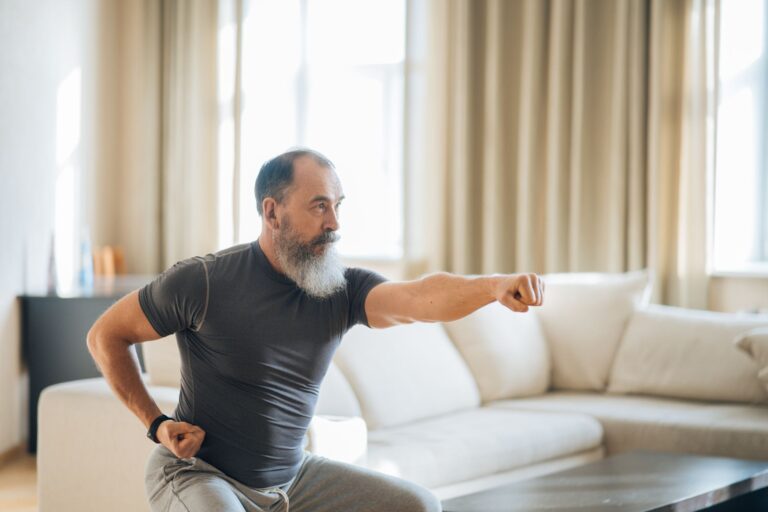
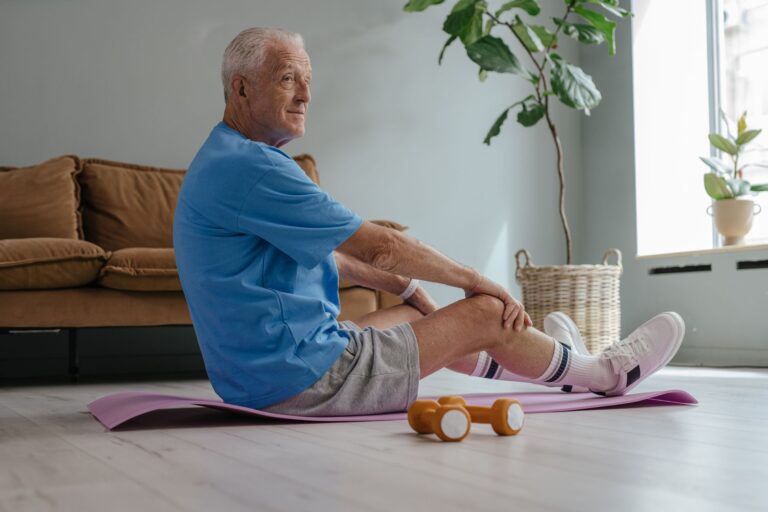
Exercise remains one of the most effective tools for slowing cognitive decline in early dementia, but the approach needs to match the person’s current abilities and preferences. Rather than high-intensity workouts or complex new routines, the best exercises for early dementia focus on what the person already enjoys—walking, gardening, dancing, or swimming—adapted for safety and consistency. A 68-year-old recently diagnosed with mild cognitive impairment might have stopped his morning walks out of worry or confusion, but restarting that routine three times a week with a trusted companion not only maintains his physical health but also preserves the neural pathways associated with movement and spatial memory.
The key difference between exercise for dementia and general fitness is that you’re not chasing performance gains. You’re maintaining mobility, preserving independence, supporting heart and brain health, and creating predictable moments of structure and connection. Research consistently shows that people with early dementia who stay physically active experience slower memory loss, fewer behavioral symptoms, and better sleep than sedentary peers. The challenge isn’t finding the “perfect” exercise—it’s building a realistic, sustainable routine that works with the person’s changing needs rather than against them.
Table of Contents
- What Types of Exercise Work Best for Early Dementia?
- Balance, Strength, and the Risk of Falls
- Social and Structured Exercise Settings
- Building a Realistic, Sustainable Routine
- Confusion, Safety, and Changing Abilities
- Music, Dance, and Movement Therapy
- Outdoor Exercise and Environmental Adaptation
- Frequently Asked Questions
What Types of Exercise Work Best for Early Dementia?
Walking is the single most accessible and effective exercise for early dementia. It requires no equipment, can happen almost anywhere, and taps into lifelong motor memory—something the brain holds onto longer as cognitive skills fade. A person who has walked for decades can often continue walking even as they lose the ability to learn new routes; the body remembers the pattern. Walking also has cardiovascular benefits that directly support brain health by improving blood flow and reducing the risk of stroke, a known accelerator of cognitive decline. The tradeoff is that some people with early dementia may become disoriented on unfamiliar routes, so a consistent loop or a familiar neighborhood path works better than a new trail each time. Swimming and water aerobics offer a gentler alternative that’s particularly valuable for people with joint pain or balance concerns.
Water supports body weight, reducing stress on knees and hips, while the resistance builds strength without the psychological pressure of “working hard.” Many community pools offer classes specifically for older adults or people with memory concerns, which adds the social component that makes exercise adherence much higher. The downside is that some people find the routine of getting to the pool and changing clothes confusing or distressing, especially as cognitive decline progresses; this barrier can make even a favorite activity feel impossible after a few months. Tai chi and gentle yoga are increasingly recommended because they combine movement with balance training and mindfulness elements. Tai chi in particular has been studied in dementia populations and shows promise for reducing fall risk while also improving mood. The slow, repetitive movements are easier to follow than complex choreography, and the meditative aspect can help quiet the anxiety that often accompanies early dementia. A structured class environment, where the same instructor uses the same sequence each week, is far more effective than a YouTube video at home, where confusion about what to do next can lead to frustration or abandonment of the practice.
Balance, Strength, and the Risk of Falls
Balance decline is one of the earliest physical changes in dementia, sometimes appearing before major cognitive symptoms. This creates a genuine danger: a person with early dementia has the cognitive awareness to feel embarrassed about a fall, the memory challenges to forget the incident happened and repeat the same risky behavior, and the weakening muscles to be less able to catch themselves. Preventing falls isn’t just about comfort—it’s about avoiding a hospitalization or hip fracture that can accelerate cognitive decline dramatically. A study of dementia patients who suffered hip fractures found that 50% experienced noticeable cognitive deterioration in the months following the injury, whether from the trauma itself or from the reduced mobility and social isolation afterward. Targeted balance exercises need to become part of the routine, but they work best when they don’t feel like exercises. Practicing standing on one foot while brushing teeth, doing heel-to-toe walking along a hallway, or step-ups onto a low stair using a sturdy railing all build the proprioception and leg strength that prevents falls.
The limitation here is that balance work requires concentration—something that’s increasingly difficult as dementia progresses—so morning sessions when the person is freshest often yield better results than evening attempts. A person who can’t remember to take medication may also forget the specific balance exercise they learned last week; repetition in the same environment with the same verbal cues from a caregiver helps overcome this. Strength training doesn’t mean a gym or weights. Resistance-band work, lifting soup cans, or standing sit-to-stand practice from a firm chair maintains the leg and core strength necessary for independent bathroom use and safe transfers. Loss of strength often means loss of independence before loss of cognition becomes obviously limiting; someone who can no longer stand from a toilet or walk to the kitchen becomes dependent for daily living tasks even if they still recognize family. The tradeoff is that strength work is boring and requires motivation or social accountability, which is why group classes or a caregiver’s presence makes a real difference in consistency.
Social and Structured Exercise Settings
Exercising alone may sound peaceful, but for someone with early dementia it often becomes lonely and disorienting. A group class—whether water aerobics, chair exercise, or a walking group—provides external structure, social connection, and built-in motivation that makes the person more likely to show up and stick with it. The Dementia Society of America has documented that group exercise programs reduce depression and anxiety in early dementia participants, partly because the social aspect addresses the isolation that often accompanies diagnosis. A woman in her early 60s recently diagnosed with mild cognitive impairment joined a community fitness class for older adults and reported that the weekly routine gave her something to plan for and a place where she wasn’t being watched or tested—she was just participating like everyone else. Senior centers, parks and recreation departments, and some gyms now offer memory-loss-friendly classes, though they’re not universally available and waiting lists can be long. These specialized classes have instructors trained to adapt exercises on the fly, handle confusion or frustration with patience, and recognize when someone is having an off day.
A regular class where the same instructor leads the same routine is also valuable—familiarity and predictability reduce anxiety, and the instructor learns the person’s needs and modifications without them having to relearn it each session. The downside is that specialized programs are often in limited supply; rural areas may have nothing, and even urban centers might have only one class per week, leaving it inaccessible if it conflicts with doctor appointments or caregiver schedules. Walking groups specifically offer powerful social and cognitive benefits. A 2023 study found that people with early dementia who walked in groups twice weekly showed slower cognitive decline over three years compared to solo walkers. The conversation, the social accountability, and the novelty of different walking routes all stimulate the brain, even as the body gets the cardiovascular benefit. Some Alzheimer’s Association chapters organize specific walking groups, and some informal community groups welcome people with dementia when told about the diagnosis. The trade-off is that group dynamics can be unpredictable; a person with early dementia who becomes upset or frustrated in a group setting may avoid the group rather than resolve the issue, losing an otherwise ideal activity.
Building a Realistic, Sustainable Routine
The most common mistake caregivers make is designing an exercise plan that’s too ambitious. A person with early dementia who hasn’t exercised regularly won’t suddenly sustain a 60-minute aerobics class five days a week, no matter how well-intentioned the plan. Starting with three 20-30 minute sessions a week is realistic and sustainable; adding more once the routine is solid (and only if the person genuinely wants to). Consistency matters more than intensity. Thirty minutes of walking three times a week for six months achieves better outcomes than sporadic bursts of enthusiasm followed by abandonment. Timing and environment are practical details that determine success or failure. Many people with early dementia have better cognitive function in the morning, so scheduling exercise early works better than afternoon or evening sessions. The same location and the same time each day or week reduce the need for memory and decision-making; the person’s brain recognizes “it’s Tuesday at 9 AM, we go for our walk” without having to be convinced or reminded each time.
A caregiver who walks the same route every time, greets the same neighbors, and stops at the same bench for water makes the activity familiar and safe. The downside is that inflexibility also means that missed sessions create guilt or disruption; if the routine must change due to weather or illness, it needs to be reestablished carefully rather than simply resuming later. Adaptive equipment can make activities more accessible. A gait belt used during balance training allows a caregiver to stabilize someone who’s unsteady without causing embarrassment or loss of confidence. Nordic walking poles provide stability during walks while engaging upper-body muscles, and they look purposeful rather than assistive—important for someone’s sense of dignity. A recumbent exercise bike or seated stepper works for people who can’t balance on a standard bike but want to exercise independently at home. The limitation is cost; adaptive equipment runs $100 to $500 per item, and some people’s insurance doesn’t cover it. Starting with what’s free—walking, bodyweight exercises, community resources—and adding adaptive gear only if it genuinely removes a barrier works better than overinvesting upfront.
Confusion, Safety, and Changing Abilities
As dementia progresses, a person may forget they’ve already exercised or become confused about instructions mid-activity. This is where written reminders, photos, or a simple calendar mark become valuable—crossing off the day after exercise happens reinforces the routine and gives visual confirmation. Some caregivers use a laminated card with pictures showing the exercise sequence, reducing reliance on verbal instructions that can be forgotten mid-workout. The challenge is that too many reminders can feel patronizing or create resistance; the goal is enough support to enable success without triggering defensiveness about needing help. Safety considerations shift as abilities decline. Someone who could safely walk independently two years ago may now need supervision due to declining judgment about traffic or weather.
A person who doesn’t recognize their own fatigue might push to the point of exhaustion or dizziness, then refuse to exercise again because it felt awful. Caregivers need to watch for signs of overexertion—excessive sweating, shortness of breath, confusion, or irritability—and be willing to cut a session short without making it a confrontation. The person may not remember feeling bad, but they may retain an emotional memory of the session being unpleasant, which can derail the entire routine. Medication interactions and heart conditions add complexity that a doctor needs to address. Some dementia medications can affect blood pressure or balance; some people with early dementia also have diabetes or heart disease that limits exercise intensity. A baseline physical exam and conversation with the doctor before starting or changing an exercise routine prevents dangerous oversights. The limitation is that this step takes time and often requires an appointment; some people with dementia resist medical visits, and getting a clear answer about what’s safe can require written guidance from the doctor, not just a verbal conversation.
Music, Dance, and Movement Therapy
Music engages different brain pathways than typical exercise, which is why dancing or movement to music often works even for people whose dementia has progressed beyond general exercise motivation. The rhythm primes the motor system, and many people retain musical memory long after other memories fade; someone who can’t recall their grandchild’s name might still sing a favorite song from 40 years ago. A simple dance class, even just swaying to music with arm movements, increases heart rate and coordination while providing the mood boost that music naturally creates. Dance also requires attention to the beat and spatial awareness, which keeps the brain engaged in a way that mindless repetitive movement doesn’t.
Community Dementiacare organizations and some assisted living facilities now offer dance programs specifically designed for people with cognitive decline. The moves are simple enough to follow without complex instructions, the music is energizing, and the social connection is built in. Some people who refuse traditional “exercise” will enthusiastically participate in a dance session because it doesn’t feel like exercise—it feels like a concert or a party. A 72-year-old with moderate cognitive impairment who consistently refused structured exercise classes agreed to try a dance program focused on 1950s music and now attends weekly; his caregiver reports he’s calmer, sleeps better, and has genuine enthusiasm about the activity, something missing from his life since his diagnosis.
Outdoor Exercise and Environmental Adaptation
Walking outdoors in natural settings provides advantages beyond what indoor exercise offers. Sunlight exposure maintains circadian rhythm and supports vitamin D production; natural environments have calming effects that reduce agitation and anxiety more effectively than indoor spaces. Parks, gardens, and natural trails are accessible, free, and available year-round in most areas. The limitation is weather—a person with early dementia may refuse to go outside in rain or heat, or forget to dress appropriately, leaving caregivers to manage both the weather and the resistance.
Snow and ice create genuine fall hazards that may make winter outdoor exercise impossible; backup indoor options prevent the person from becoming sedentary during winter months. Familiar outdoor routes carry additional cognitive benefit because the person’s brain is storing location memory and spatial recognition, skills that support independence longer. A daily walk around the same neighborhood preserves the neural maps associated with that environment; the person continues to recognize landmarks and find their way even as other memories fade. This is why disrupting the routine—moving to a new home, or doing exercise at a new location—can be cognitively destabilizing for someone with early dementia. A caregiver who prioritizes keeping the same walking route even after moving residences or who returns to the original neighborhood for walks when possible is supporting the person’s cognitive health and sense of belonging.
- —
Frequently Asked Questions
How much exercise does someone with early dementia need?
The standard recommendation is 150 minutes of moderate-intensity activity per week, but this is often unrealistic for people with early dementia. Starting with 60-90 minutes spread across three sessions per week, then adjusting based on tolerance and enjoyment, is more sustainable. The consistency matters more than hitting a specific total.
What if the person refuses to exercise or resists leaving the house?
Resistance often signals confusion, fear, or lack of motivation rather than physical inability. Starting with something the person already enjoyed before diagnosis—gardening, walking, dancing—is more effective than introducing new activities. A caregiver or friend joining the activity transforms it from “exercise” into companionship, which is a more compelling reason to participate.
Is it safe for someone with early dementia to exercise alone?
No. The combination of possible balance problems, medication effects, and confusion about safety (not recognizing overexertion, forgetting to drink water, crossing streets unsafely) makes solo exercise risky. A caregiver present, or an established group activity with supervision, is necessary for most people with early dementia.
Can exercise stop dementia from progressing?
No—exercise cannot stop or reverse dementia. It can slow cognitive decline, preserve physical function longer, reduce depression and behavioral symptoms, and improve sleep quality. These benefits matter significantly for quality of life, but they are slowing agents, not prevention or cure.
What should I do if the person has pain during exercise?
Stop the activity and consult a doctor. Pain during exercise in someone with early dementia is a warning sign that something is wrong—arthritis, heart issues, or overexertion. The person may not reliably report pain or remember where it hurts, so a caregiver needs to watch for limping, grimacing, or reluctance to use certain limbs.
Are there exercises that help memory or cognition directly?
Aerobic exercise (walking, swimming, dancing) supports brain health generally, but no exercise specifically reverses memory loss. Activities combining movement with cognitive challenge—dance to music you must listen to, a walking route with new sights, balance work requiring concentration—engage the brain more fully than rote repetition, but the benefit is supporting remaining function, not recovering lost ability.