The easiest meals for someone with dementia who forgets to eat are simple, nutrient-dense foods that require minimal preparation and can be eaten quickly in small amounts throughout the day. When memory loss makes regular meals feel like a new event each time, serving familiar foods that don’t demand attention—like scrambled eggs, yogurt, soup, or peanut butter on crackers—removes cognitive barriers to eating. A person with dementia may not remember breakfast happened two hours ago, which means offering the same recognizable snack repeatedly isn’t boring to them; it’s reliable and safe.
Forgetting to eat is one of the most common complications of dementia, separate from loss of appetite. The person may genuinely not recall their last meal, may not connect hunger signals to the idea of food, or may start eating and then forget mid-bite what they’re doing. Unlike someone on a diet who consciously refuses food, a person with dementia-related eating loss needs a different strategy: foods that are always available, require no decision-making, and deliver calories efficiently. The goal is removing friction so they eat enough to stay healthy, not to make meal times feel “normal.”.
Table of Contents
- What to Serve Someone With Dementia Who Forgets to Eat
- High-Calorie Foods That Are Easy to Consume
- Liquids and Smoothies for Forgotten Meals
- How to Structure Reminders and Regular Eating Times
- Swallowing Difficulties and When Meals Need Modification
- Finger Foods and Self-Feeding When Utensils Become Difficult
- Creating a Calorie-Dense Pantry for Easy Meal Prep
- Frequently Asked Questions
What to Serve Someone With Dementia Who Forgets to Eat
The most effective meals are those that can be eaten in fragments and don’t spoil quickly once prepared. Soft foods like cottage cheese, mashed potatoes, oatmeal, scrambled eggs, and canned fruit in syrup are easier to manage than tough meats or foods that require active chewing and decision-making. A spoonful of peanut butter, a piece of cheese, or a cup of broth can be consumed in seconds, which matters when someone’s attention span for eating is shrinking. Hard or crunchy foods that require sustained chewing often get abandoned halfway through, leaving calories unconsumed.
Real example: a caregiver in Ohio found that her father with mid-stage Alzheimer’s would eat nearly nothing at formal mealtimes but would consume six or seven small cups of applesauce throughout the day if they were left on the kitchen counter. The applesauce required no preparation, no utensil decision (just a spoon), and no memory. Within two weeks of shifting from “three meals a day” to “snacks available always,” his weight stabilized. The limitation here is that constant snacking doesn’t work for everyone—some people with dementia still need structured meal times to feel oriented to the day, so you may need to combine both approaches.
High-Calorie Foods That Are Easy to Consume
When someone forgets to eat, calorie density becomes critical because portion sizes are usually smaller. A person might eat two bites of chicken breast (40 calories) and then walk away, whereas two bites of avocado with butter (120+ calories) delivers more nutrition in the same amount. foods like whole milk, ice cream, nuts, olive oil drizzled on toast, cheese, and full-fat yogurt pack more calories per spoonful than their low-fat or lean alternatives, which is the opposite of typical nutrition advice for the general public but appropriate here. The warning: high-fat foods carry a risk if swallowing function is also declining.
A spoonful of peanut butter can lodge in the throat more easily than broth, and a person with dysphagia (difficulty swallowing) may aspirate fatty foods without coughing—a silent process that can lead to aspiration pneumonia. Before committing to a high-fat diet, have a speech-language pathologist evaluate swallowing or ask the doctor about aspiration risk. Some people with dementia do fine with whole milk; others need it thickened. Comparison: a person who eats normally might need 2,000 calories a day; someone with dementia who eats in fragments might meet their actual needs with 1,400 calories if those calories are dense, because they’re not “wasting” energy on structured mealtimes or the mental load of deciding what to eat.
Liquids and Smoothies for Forgotten Meals
Drinkable calories are underused in dementia care. A homemade smoothie with whole milk, banana, peanut butter, and a raw egg can deliver 400+ calories in 10 minutes, and drinks don’t require the same cognitive engagement as solid food. Someone might not remember to sit down for lunch but will accept a cup handed to them, especially if it’s cold and tastes like dessert. Commercial nutrition drinks like Ensure are convenient but often less palatable and more expensive than homemade versions.
A practical example: mixing whole milk with honey, adding a raw (pasteurized) egg, banana, and a tablespoon of peanut butter, then blending creates a thick drink that feels like a treat rather than medicine. If refrigerated, it lasts three days, so a caregiver can make five at a time and offer one every morning and afternoon. The limitation is that some people with dementia develop aversion to certain textures or temperatures as the disease progresses; what works today might be refused next month. Additionally, if the person has difficulty swallowing, even smoothies need to be evaluated by a speech pathologist to confirm they don’t pose aspiration risk.
How to Structure Reminders and Regular Eating Times
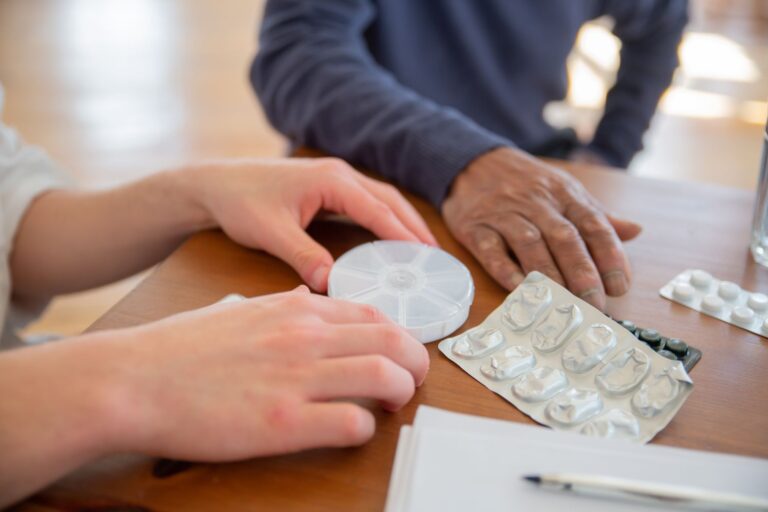
Memory loss means external structure replaces internal hunger cues. Setting alarms on a phone, using a kitchen timer, or having a caregiver approach at the same times each day can prompt eating before the person forgets they haven’t eaten. Some families post photos of meals on a whiteboard so the person can see they ate lunch, reducing the anxiety some people with dementia feel about “missing” meals. Others use a medication dispenser or small containers labeled with times to make portion control and reminder-taking automatic.
Comparison: a person in early-stage dementia might benefit from a written meal schedule that they can check and mark off; someone in mid-to-late stage dementia won’t use a schedule consistently and needs an external person to initiate meals. The tradeoff is that caregiver-initiated eating takes more labor but is more reliable than hoping the person remembers to check a schedule. One family found that turning lunch into a ritual—sitting together at the same table at noon, with the same place mat and plate—created enough structure that their mother with early-stage dementia began anticipating the meal and was more likely to eat. Ritualization works better than unpredictable snacking for some people and worse for others.
Swallowing Difficulties and When Meals Need Modification
As dementia progresses, swallowing function often declines simultaneously, creating a new constraint on food choice. Foods that are too thick, too dry, too hard, or too small can be aspirated (go into the lungs instead of the stomach) or cause choking. This isn’t always obvious—aspiration can happen silently, without coughing, meaning the person might inhale food without anyone realizing. The warning: offering peanut butter, whole nuts, hard candy, or large chunks of meat without professional evaluation of swallowing is risky. A speech-language pathologist can perform a swallow study or clinical assessment to determine if the person needs puréed foods, minced foods, soft foods, or thickened liquids.
Once you know the safe texture, meals become easier to navigate. For example, ground turkey mixed into soft pasta is easier to swallow safely than a chicken breast. Purées sound unappetizing but can be made flavorful—a purée of roasted sweet potato and ground beef is both nutrient-dense and within a puréed diet. The limitation is that modified textures require either specialized preparation or commercial products, both of which take more time or cost more than standard foods. Additionally, some people with dementia refuse modified foods because the texture feels foreign to them, even if it’s safer.
Finger Foods and Self-Feeding When Utensils Become Difficult
When someone with dementia loses the ability to use a fork or spoon, finger foods become essential. They restore dignity and independence—the person can feed themselves without help, which many find less frustrating than being spoon-fed. Soft bread, cheese cubes, cooked vegetables, soft fruit, and meatballs are foods that can be picked up with hands and eaten without utensils.
Example: a woman with advanced dementia refused all spoon-fed meals because she felt infantilized; within days of switching to finger foods—soft cookies, cheese, cooked broccoli, banana slices—she was eating more than before and seemed calmer at mealtimes. The shift from dependent feeding to self-feeding improved her mood and reduced mealtime conflict. The limitation is that finger foods can be messier and sometimes fall to the floor, especially if coordination is also declining. Some caregivers find that setting a small blanket under the eating area or using a lap tray catches spills and makes cleanup easier.
Creating a Calorie-Dense Pantry for Easy Meal Prep
The practical foundation is keeping high-calorie, shelf-stable foods on hand so meals can be assembled in seconds. Canned soups, nut butters, evaporated milk, condensed broth, canned fruit, pasta, rice, oats, eggs, cheese, and whole-grain bread should always be available. When the person asks “what’s for lunch?” at 2 p.m. for the third time that day, you can assemble something in the time it takes to heat water or open a can, rather than scrambling to cook.
Specific fact: a pantry stocked for dementia meal prep looks different than a typical kitchen. It prioritizes shelf-stable, ready-to-eat, or one-step-prep items over fresh produce that requires washing, chopping, and cooking. One caregiver keeps a shelf dedicated to small single-serving cups—applesauce, pudding, cottage cheese, canned peaches—that require only a spoon and can be eaten standing up or sitting anywhere in the house. This approach means more eating opportunities throughout the day and fewer refusals because the barrier to food is almost zero.
Frequently Asked Questions
Should I force someone with dementia to eat if they refuse?
No. Forcing typically escalates resistance and can be harmful. Instead, try offering the food again in 30 minutes, change the food, or change the setting. Refusal sometimes signals fullness from earlier eating they’ve forgotten, discomfort, or simple preference change. If weight loss is severe, discuss with a doctor, who may recommend appetite stimulants or a feeding tube in advanced cases.
Can I add oil or butter to everything to increase calories?
Yes, but with caution if swallowing is declining. Fatty foods can be aspirated silently. If swallowing is normal, adding olive oil to vegetables, butter to potatoes, or cream to soup is an easy calorie boost. If you’re unsure about swallowing safety, ask the doctor or a speech pathologist.
How often should someone with dementia eat if they forget?
Offer food or a drink every 1–2 hours during waking hours. This creates more eating opportunities and reduces the risk of going a full day without nutrition. Some people eat more frequent, smaller meals this way than they do at three standard mealtimes.
What if the person with dementia cooks and forgets to turn off the stove?
Remove the person’s access to the stove or oven. A caregiver should handle all cooking to prevent fire. Offer only cold, no-prep foods or foods the caregiver prepared and left out, so the person cannot create hazards.
Are commercial nutrition shakes better than homemade smoothies?
Commercial shakes are convenient and shelf-stable, but homemade smoothies are usually cheaper, more filling, and customizable to taste. A commercial shake costs $1–2 per serving; a homemade smoothie costs $0.50–1. Both work; choose based on budget, time, and the person’s preference.
Should I be concerned if the person eats the same food every day?
No. Eating the same thing repeatedly is common and harmless in dementia. The familiarity can actually help—they recognize it and are more likely to eat. Vary foods only if they become bored or if medical issues (like kidney disease) require it.