Reviewed by the Help Dementia Editorial Team — our editors review every article for accuracy against guidance from the National Institute on Aging, the Alzheimer’s Association, and peer-reviewed sources.
New research sits at the center of this dementia and brain health question.
Recent research suggests that eating more whole grains may significantly reduce your risk of dementia and cognitive decline after age 65. A 2023 Massachusetts study following nearly 3,000 adults found that those consuming the most whole grains were 28% less likely to develop dementia and 36% less likely to develop Alzheimer’s disease over a 12-year period. Consider Helen, a 68-year-old retired teacher who switched from white bread and refined cereals to whole wheat bread, oatmeal, and brown rice—her neurologist noted improved cognitive performance at her latest assessment, which she attributes partly to these dietary changes alongside other healthy habits.
The evidence extends beyond this single study. A more recent 2026 investigation published in the Journal of Neurology, Neurosurgery and Psychiatry tracked 1,647 middle-aged and older adults and found that those most closely following a MIND diet—which emphasizes whole grains along with vegetables, berries, and fish—showed brain aging delayed by more than two years compared to those with less adherent diets. These findings are particularly encouraging as researchers continue searching for modifiable lifestyle factors that can protect cognitive health in our later decades.
Table of Contents
- How Do Whole Grains Protect the Aging Brain?
- What Does the Science Currently Show, and What Are the Limitations?
- The MIND Diet Connection: A Proven Framework for Brain Protection
- Choosing and Preparing Whole Grains for Maximum Benefit
- Important Cautions and Considerations for Your Individual Health
- Beyond Whole Grains: A Comprehensive Approach to Brain Health
- The Future of Nutritional Neuroscience
- Conclusion
How Do Whole Grains Protect the Aging Brain?
Whole grains contain a unique combination of nutrients that work together to protect brain health. The dietary fiber in whole grains promotes beneficial gut bacteria, which communicate with the brain through the gut-brain axis. Additionally, whole grains are rich in polyphenols—plant compounds with anti-inflammatory properties—along with B vitamins, vitamin E, and betaine, all of which reduce oxidative stress and neuroinflammation in brain tissue.
Think of oxidative stress as rust accumulating in your brain’s machinery; these nutrients act like an anti-rust coating. The specific research from Rush University found that African Americans who ate more whole grains experienced less memory decline compared to those eating refined grains. This finding is important because African Americans have higher rates of cognitive decline and dementia, making dietary interventions particularly valuable for this population. The protective effect appears to be dose-dependent—meaning that the more whole grains someone consistently eats, the more pronounced the cognitive benefits tend to be.
What Does the Science Currently Show, and What Are the Limitations?
While the recent studies show promise, it’s important to acknowledge that a 2023 meta-analysis reviewing multiple studies found the relationship between whole grain consumption and cognition outcomes to be inconclusive. This means that while these findings are encouraging, they are not yet considered definitive by all researchers. The variation in study designs, participant populations, and measurement methods contributes to this uncertainty. Some studies measure cognitive decline through formal neuropsychological testing, while others rely on self-reported memory changes or imaging studies—different approaches that can yield different results.
Most of the strong evidence comes from observational studies, which show association but cannot prove causation. In other words, we know that people who eat more whole grains tend to have better cognitive outcomes, but we cannot say with complete certainty that the whole grains are directly causing this benefit. It’s possible that people who eat whole grains also exercise more, have better overall health habits, or have access to better healthcare. This is why researchers emphasize that whole grains are one part of a broader healthy lifestyle, not a standalone solution for preventing dementia.
The MIND Diet Connection: A Proven Framework for Brain Protection
The MIND diet—Mediterranean-DASH Intervention for Neurodegenerative Delay—was specifically designed to support brain health and has shown consistent benefits in reducing dementia risk. Whole grains are a cornerstone of this eating pattern, along with leafy greens, other vegetables, nuts, berries, fish, poultry, beans, and olive oil. The MIND diet explicitly limits red meat, butter, cheese, pastries, and fried foods. The 2026 study showing two-year delay in brain aging used adherence to this comprehensive diet framework, not whole grains alone.
Consider a practical example: Marcus, a 72-year-old man, implemented the MIND diet after his wife was diagnosed with mild cognitive impairment. He replaced his typical breakfast of buttered white toast with steel-cut oatmeal topped with blueberries and almonds. His lunch shifted from deli sandwiches on white bread to salads with grilled fish and whole grain bread. Within a year, his own cognitive screening scores improved, and his energy levels increased—improvements he might not have achieved by simply eating whole grains without addressing the rest of his diet.

Choosing and Preparing Whole Grains for Maximum Benefit
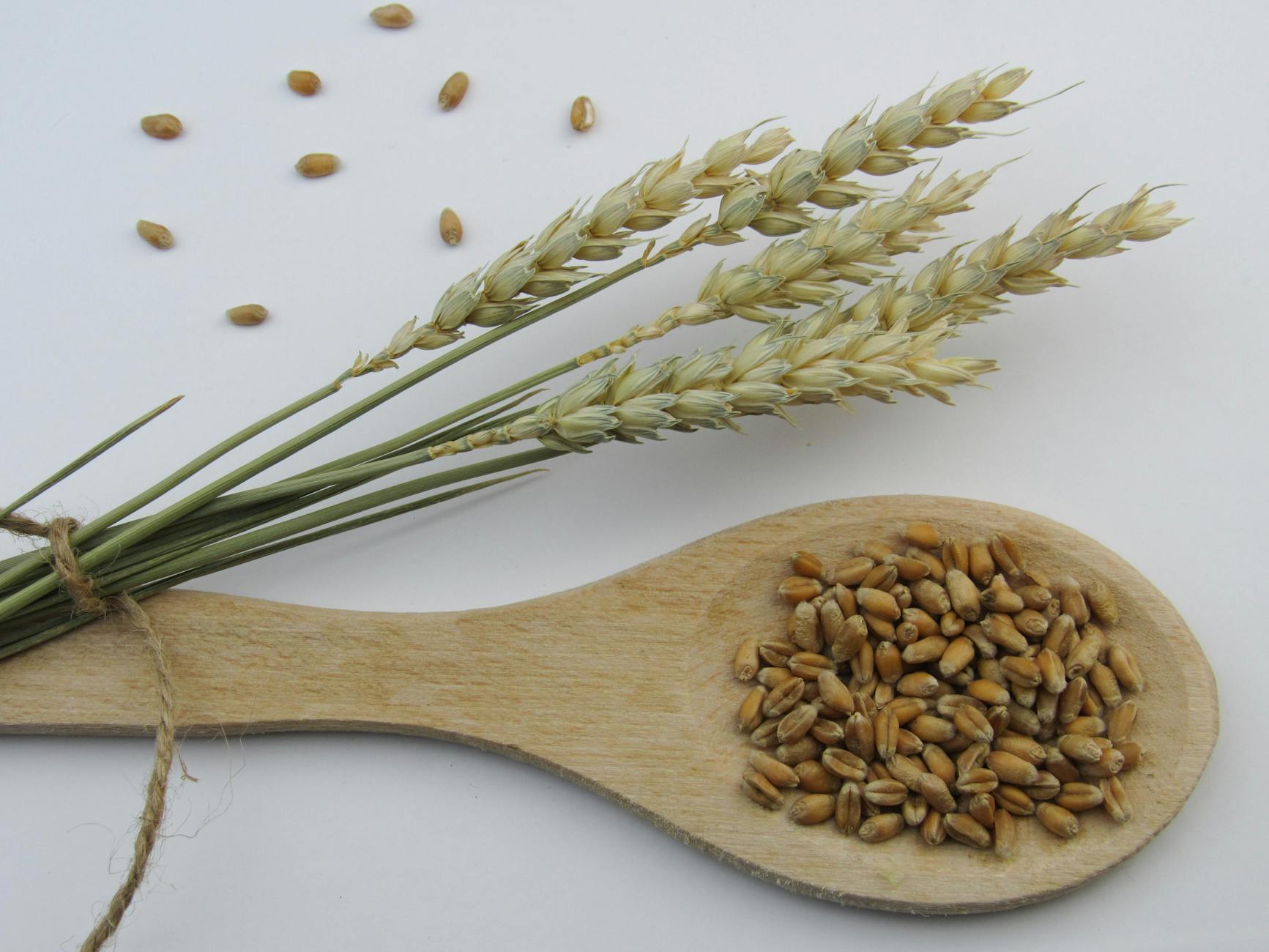
The key is understanding what qualifies as a “whole grain.” Many products labeled “multigrain” or “made with whole grains” contain only a small percentage of whole grains mixed with refined flour. True whole grains include the entire grain kernel: the bran, germ, and endosperm. Common options include whole wheat, brown rice, oats, barley, quinoa, and farro. Reading ingredient lists matters—look for “whole wheat flour” or “whole oats” listed as the first ingredient, not “enriched wheat flour.” Incorporating whole grains doesn’t require dramatic changes.
Start by replacing half your usual grains with whole grain versions. For instance, if you typically eat white rice, try a 50-50 blend of white and brown rice, gradually shifting to 100% brown rice. Similarly, swap refined bread for whole wheat varieties, and experiment with whole grain cereals for breakfast. The disadvantage is that whole grains do take slightly longer to cook than refined alternatives, and some people find them less convenient for quick meals. However, preparing larger batches of whole grains on weekends—such as cooking a pot of farro or barley—makes weekday meal preparation simpler.
Important Cautions and Considerations for Your Individual Health
While whole grains offer brain health benefits, they are not appropriate for everyone. People with celiac disease must avoid wheat-containing grains entirely, though gluten-free whole grain options like quinoa, certified gluten-free oats, and brown rice remain available. Those with irritable bowel syndrome may find that increasing fiber too rapidly causes digestive discomfort; a slow, gradual increase in whole grain intake—spread over several weeks—allows the digestive system to adapt.
Additionally, whole grains contain compounds called phytates that can reduce absorption of certain minerals like zinc and iron, though this is typically only a concern in diets very heavily weighted toward grains without adequate variety. Some medications, particularly certain blood thinners, can interact with the vitamin K content in some whole grains, particularly in the context of sudden dietary changes. If you take warfarin or similar medications, discuss significant dietary changes with your healthcare provider. Furthermore, the benefit of whole grains depends on total caloric balance; replacing refined grains with whole grains is beneficial, but adding whole grain foods on top of an already-high-calorie diet will not provide cognitive benefits and may contribute to weight gain.

Beyond Whole Grains: A Comprehensive Approach to Brain Health
While whole grains play an important role, brain health after 65 requires a comprehensive approach. Physical exercise, cognitive engagement, social connections, adequate sleep, stress management, and management of conditions like high blood pressure and diabetes all significantly influence cognitive outcomes. A person eating whole grains but spending 12 hours daily watching television will not experience the same cognitive benefits as someone combining whole grains with regular walking, learning a new skill, and maintaining close relationships.
The research emphasizes that dietary factors account for one component of cognitive health. In the 2026 study showing brain-aging delay, the MIND diet was likely contributing alongside other healthy behaviors that study participants maintained. This holistic perspective is important for realistic expectations—whole grains are a beneficial tool, but they are not a substitute for sleep, exercise, and mental engagement.
The Future of Nutritional Neuroscience
Ongoing research continues to clarify which specific components of whole grains provide the greatest brain protection and how individual genetic variations might influence response to dietary changes. Scientists are particularly interested in the role of the gut microbiome in brain health, and whole grains’ ability to promote beneficial bacteria may be equally important as their direct nutritional content.
Future studies may identify which whole grain varieties offer the most protective benefits and whether certain populations see greater cognitive benefits than others. As the evidence continues to accumulate, one thing is clear: for most people over 65 without specific medical contraindications, incorporating whole grains into a broader healthy dietary and lifestyle pattern is a low-risk intervention with potential significant benefits. The absolute risk reduction of 28-36% in dementia risk observed in the Massachusetts study is substantial enough to warrant action, even as researchers work to fully understand the underlying mechanisms.
Conclusion
The scientific evidence increasingly supports a link between whole grain consumption and better brain health in people over 65. The 28-36% reduction in dementia risk observed in large-scale studies, combined with the evidence of delayed brain aging in the MIND diet framework, provides compelling reasons to examine your current grain consumption. Whether you are concerned about your own cognitive future or supporting a family member’s brain health, switching from refined grains to whole grains is a practical, evidence-based step.
Start small, be consistent, and view whole grains as one important component of a broader healthy lifestyle that includes exercise, cognitive engagement, quality sleep, and strong social connections. Discuss any significant dietary changes with your healthcare provider, particularly if you take medications or have existing digestive or medical conditions. The research suggests that the choices you make about what you eat today may meaningfully influence your cognitive health in your 70s, 80s, and beyond.
You Might Also Like
- New Research Links turmeric to Better Brain Health After 65
- New Research Links swiss chard to Better Brain Health After 65
- New Research Links sweet potatoes to Better Brain Health After 40
For more, see NIH MedlinePlus — cognitive testing.