Reviewed by the Help Dementia Editorial Team — our editors review every article for accuracy against guidance from the National Institute on Aging, the Alzheimer’s Association, and peer-reviewed sources.
Eating more sits at the center of this dementia and brain health question.
Research from the Rush Memory and Aging Project suggests that eating leafy greens regularly may indeed slow cognitive decline in older adults. A major finding showed that people consuming 1.3 servings of leafy greens daily had cognitive function equivalent to someone 11 years younger compared to those eating just 0.09 servings daily.
While the research is compelling, it’s important to note that the actual study followed participants for approximately 4.7 years with annual cognitive testing, not a full 10 years—though the long-term implications for brain health remain significant. The study tracked 960 older adults with an average age of 81, all cognitively intact at the start, to see how dietary choices affected their thinking and memory skills over time. This prospective cohort design provided robust evidence of a link between leafy green consumption and slower age-related cognitive decline, though researchers emphasize this shows association rather than proof that greens directly prevent dementia.
Table of Contents
- What Did the Leafy Greens and Dementia Study Actually Show?
- Which Leafy Greens Protect Brain Health and Why?
- How Do Leafy Greens Actually Slow Cognitive Decline?
- How Much Leafy Greens Should You Eat Daily for Brain Protection?
- What the Study Doesn’t Tell Us About Dementia Prevention
- Going Beyond Leafy Greens—A Comprehensive Dietary Approach
- What’s Next for Brain Health Research?
- Conclusion
What Did the Leafy Greens and Dementia Study Actually Show?
The research comes from the Rush Memory and Aging Project, a long-term study based at Rush University in Chicago. Scientists enrolled 960 participants without dementia at baseline, with an average age of 81, and tracked their cognitive health annually over approximately 4.7 years. Using validated cognitive tests measuring memory, executive function, and perceptual speed, researchers calculated what they called a “global cognitive score” to assess overall brain health. The most striking finding was the comparison between high and low consumers of leafy greens.
Those eating about 1.3 servings daily—roughly a half-cup of cooked spinach or one cup of raw lettuce—showed cognitive scores equivalent to being 11 years younger than those eating virtually no leafy greens (0.09 servings daily). To put this in perspective, imagine a 75-year-old who eats leafy greens regularly having the cognitive profile of a 64-year-old on standard tests. This is a substantial difference that potentially translates to meaningful differences in daily functioning and quality of life. The study wasn’t looking at dementia diagnosis specifically but at the rate of cognitive decline over time. This distinction matters: the research shows that regular leafy green consumption is associated with a slower decline in mental sharpness, not necessarily a complete prevention of dementia itself.
Which Leafy Greens Protect Brain Health and Why?
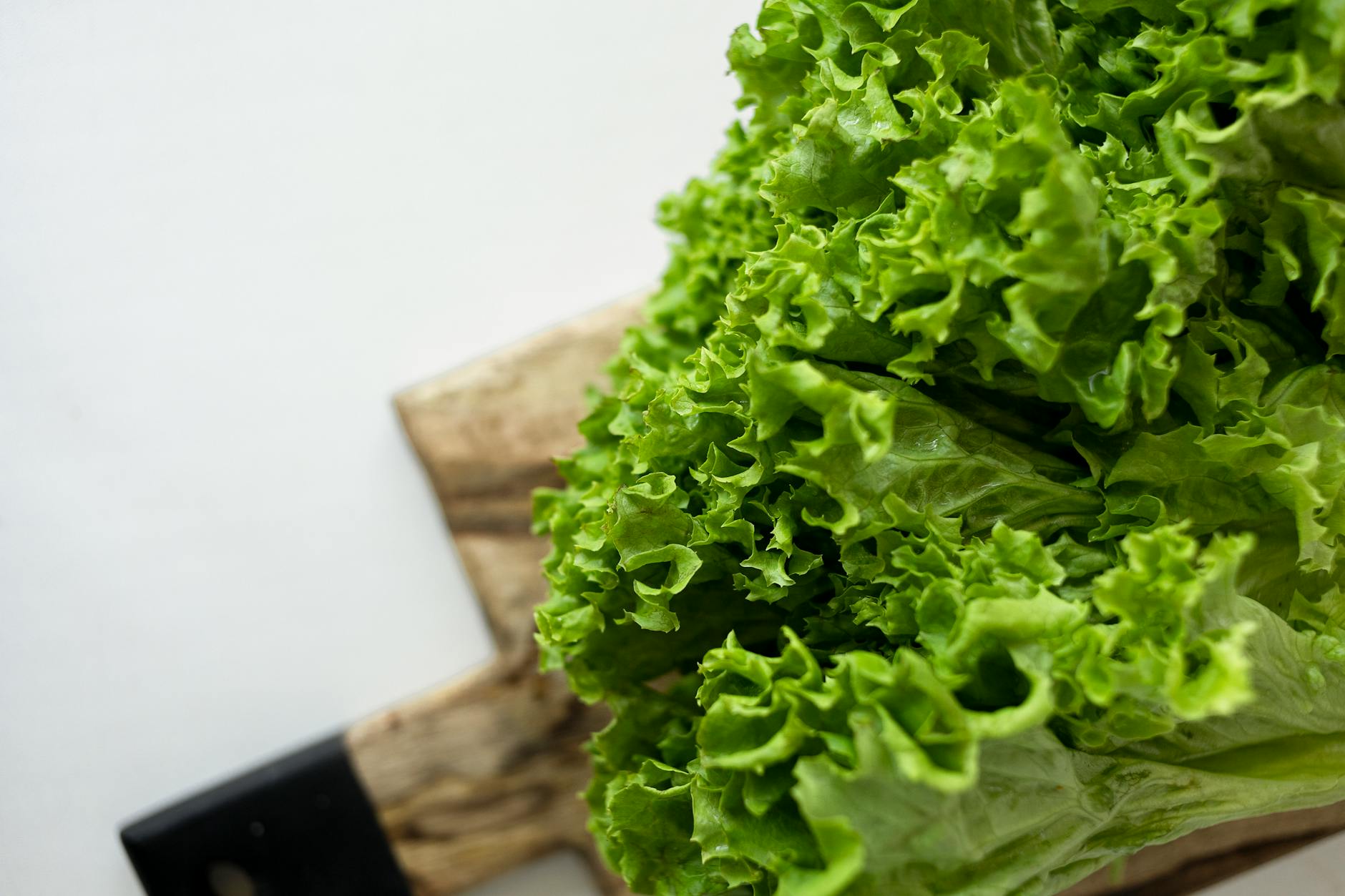
The research identified four primary leafy greens associated with cognitive benefits: spinach, kale, collard greens, and lettuce or mixed salads. These weren’t the only vegetables studied, but they showed the strongest associations with slowing cognitive decline. The servings were measured as half-cup portions for cooked greens or one-cup portions for raw lettuce, making them practical to incorporate into regular meals. What makes these vegetables special is their nutrient profile. Researchers identified six specific compounds linked to slower cognitive decline: folate, phylloquinone (vitamin K), nitrate, alpha-tocopherol (vitamin E), kaempferol, and lutein.
Each of these nutrients independently showed associations with protecting cognitive function. Folate, for example, plays a critical role in reducing homocysteine levels, an amino acid that at high levels may be linked to cognitive decline. Vitamin K, particularly abundant in leafy greens, is essential for myelin formation—the protective coating around nerve fibers necessary for efficient brain signaling. A practical consideration: the study measured consumption through food frequency questionnaires, so the benefits came from whole foods, not supplements. This suggests that the nutrients work together synergistically, or that other compounds in leafy greens that weren’t measured separately also contribute to brain health.
How Do Leafy Greens Actually Slow Cognitive Decline?
The mechanisms aren’t entirely clear, but several pathways have been identified. Inflammation is implicated in cognitive decline and dementia, and many compounds in leafy greens—particularly kaempferol and lutein—have anti-inflammatory properties. By reducing systemic inflammation, these nutrients may protect the delicate neural networks in the brain from damage and degeneration. Oxidative stress is another culprit in brain aging. The brain uses enormous amounts of oxygen and is therefore vulnerable to free radical damage. The antioxidants in leafy greens, including lutein and vitamin E, help neutralize these harmful free radicals.
Additionally, vitamin K supports the synthesis of proteins essential for brain cell function and communication between neurons. Nitrate, often criticized in processed meats but beneficial in vegetables, improves blood flow and vascular function—and adequate blood flow to the brain is essential for preventing cognitive decline. One important limitation: most of this research is observational. Scientists see that people who eat more leafy greens have slower cognitive decline, but they can’t definitively say that the greens caused the protection. People who eat more leafy greens typically have other healthy habits too—they exercise more, have higher education levels, and consume more fruits and vegetables overall. These factors all independently support brain health.

How Much Leafy Greens Should You Eat Daily for Brain Protection?
The research suggests that approximately 1.3 servings daily showed significant cognitive benefits, but there’s a dose-response relationship—more consumption correlated with greater protection. One serving means a half-cup of cooked greens like spinach or kale, or about one cup of raw lettuce or mixed salad. For context, a typical dinner salad with two cups of mixed greens would provide roughly two servings. Making this practical: you don’t need to eat the same green every day. Rotating between spinach, kale, collard greens, and lettuce provides variety and ensures you get the full range of protective nutrients.
A simple routine might be a dinner salad three or four times weekly, adding a handful of spinach to morning eggs twice weekly, and incorporating collard greens or kale into soups or sautés on weekends. This approach makes it easy to reach the 1.3 servings daily threshold without feeling restrictive. Compared to other dietary interventions for brain health, this recommendation is modest and achievable. The mediterranean diet and the mind diet (Mediterranean-DASH Intervention for Neurodegenerative Delay) both emphasize leafy greens as cornerstone foods but include many other components. The leafy greens research suggests that even this single dietary change, in isolation, offers measurable cognitive benefits—though combining it with other healthy habits would logically offer even greater protection.
What the Study Doesn’t Tell Us About Dementia Prevention
The most important limitation is that this research shows association, not causation. The study population consisted primarily of white, college-educated older adults, predominantly from the Chicago area. Results may not generalize equally to younger populations, people of color, those with lower education levels, or people in different geographic regions with different vegetable availability. A 65-year-old and a 90-year-old might experience different benefits; someone with genetic risk factors for Alzheimer’s disease might see different outcomes than someone without family history.
Additionally, the study measured cognitive decline, which is different from dementia diagnosis. Some cognitive decline is normal aging; dementia represents cognitive decline severe enough to interfere with daily functioning. The research doesn’t tell us whether eating leafy greens prevents dementia itself or simply slows the normal cognitive aging process—an important distinction that affects how much hope we should place in dietary intervention alone. The study also relied on self-reported food consumption via questionnaires, which are subject to recall bias and may not accurately reflect what people actually ate over decades. People tend to overestimate healthy behavior and underestimate unhealthy behavior, potentially inflating the apparent benefits of leafy green consumption.

Going Beyond Leafy Greens—A Comprehensive Dietary Approach
While leafy greens showed particular promise, they don’t exist in isolation. The broader research on diet and cognitive decline suggests that overall dietary patterns matter more than individual foods. The MIND diet, which combines Mediterranean and DASH diet principles, emphasizes leafy greens but also includes berries, nuts, fish, whole grains, legumes, olive oil, and limits red meat, butter, cheese, and processed foods.
Studies of the MIND diet show cognitive benefits even greater than leafy greens alone. For example, someone eating the MIND diet could expect cognitive benefits equivalent to being 7.5 years younger by some estimates, compared to the 11-year advantage associated with leafy greens specifically. This suggests that combining leafy greens with other protective foods creates a synergistic effect. The practical takeaway is that while eating leafy greens is excellent, pairing them with fish twice weekly, adding berries to breakfast, choosing whole grains, and reducing processed foods offers a more comprehensive approach to protecting brain health as you age.
What’s Next for Brain Health Research?
The leafy greens research has energized the field of nutritional neuroscience, and ongoing studies are exploring which specific nutrients in these vegetables matter most and whether supplements can replicate the benefits of whole foods. Early evidence suggests that getting these nutrients from food sources is more protective than taking supplements, possibly because whole foods contain compounds we haven’t yet identified or because nutrient interactions in food work differently than isolated supplements.
Future research will likely examine whether the protective effects of leafy greens apply differently across age groups, whether they’re effective for people with genetic risk factors for Alzheimer’s disease, and whether combined dietary and lifestyle interventions (diet plus exercise, cognitive engagement, and sleep) offer substantially greater protection than diet alone. Understanding these nuances will help personalize recommendations based on individual risk factors and circumstances.
Conclusion
The evidence that eating leafy greens regularly is associated with slower cognitive decline is solid and comes from well-conducted research following hundreds of older adults over years of careful cognitive testing. The 11-year cognitive advantage associated with regular leafy green consumption represents a meaningful potential benefit for brain health. However, this research shows correlation, not causation, and the benefits may not extend equally across all age groups and populations.
The practical recommendation is straightforward: incorporate 1.3 servings of leafy greens into your daily diet through salads, sautéed vegetables, soups, or simple additions to other meals. Combine this with other brain-healthy habits—regular exercise, cognitive engagement, quality sleep, and a broader diet rich in fruits, vegetables, fish, and whole grains—for the best chance of maintaining sharp thinking and memory as you age. If you’re concerned about cognitive decline or have family history of dementia, discuss personalized strategies with your healthcare provider, as dietary changes are one tool among many for supporting brain health over time.
You Might Also Like
- New Research Links time restricted eating to Better Brain Health After 60
- New Research Links whole grains to Better Brain Health After 65
- New Research Links vegetarian diet to Better Brain Health After 65
For more, see Alzheimer’s Association — caregiving.