Reviewed by the Help Dementia Editorial Team — our editors review every article for accuracy against guidance from the National Institute on Aging, the Alzheimer’s Association, and peer-reviewed sources.
New research sits at the center of this dementia and brain health question.
Recent research has produced compelling evidence that the Mediterranean diet may offer significant protection against cognitive decline and dementia in adults over 40. A 2025 meta-analysis published in GeroScience found that people who follow the Mediterranean diet closely have an approximately 11-30% lower risk of developing age-related cognitive disorders, including cognitive impairment, dementia, and Alzheimer’s disease. This isn’t theoretical speculation—these findings emerge from rigorous analysis of multiple studies tracking real people’s dietary choices and brain health outcomes over time. What makes this discovery particularly important for people entering middle age is that cognitive decline doesn’t happen suddenly at 65 or 70. The deterioration of brain function begins gradually in our 40s and 50s, but dietary choices made now can meaningfully slow this process.
Consider someone at 45 who switches to a Mediterranean eating pattern: they’re not just improving their cholesterol levels or reducing heart disease risk, though those benefits matter too. They’re actively protecting the neural architecture that governs memory, reasoning, and executive function. The mechanism isn’t mysterious. The Mediterranean diet works at the cellular level, reducing inflammation in the brain, supporting the growth of protective proteins, and maintaining healthy blood flow to neural tissue. For anyone concerned about maintaining sharp thinking as they age, the research suggests this isn’t a question of whether diet matters—it absolutely does—but rather how quickly you can translate these findings into daily meals.
Table of Contents
- How Does the Mediterranean Diet Reduce Dementia Risk in Middle-Aged Adults?
- The Specific Nutrients That Protect Brain Health and Why Whole Foods Matter
- How Gut Health Connects Brain Protection to Your Dinner Plate
- Practical Steps to Transition to a Mediterranean Diet Without Overwhelming Yourself
- Age-Related Changes in Metabolism and Why Starting Earlier Matters More Than Waiting
- Mediterranean Diet Variations and Finding What Works for Your Lifestyle
- Future Research and the Evolving Understanding of Diet and Cognitive Health
- Conclusion
How Does the Mediterranean Diet Reduce Dementia Risk in Middle-Aged Adults?
The Mediterranean diet protects cognitive function through multiple overlapping pathways, making it more robust than single-nutrient interventions. The diet’s emphasis on foods rich in fiber, polyphenols, omega-3 fatty acids, and fermented products creates an environment in your gut that supports beneficial bacteria. These microorganisms produce metabolites that cross the blood-brain barrier and reduce inflammation throughout the brain. When inflammation decreases, neurons communicate more efficiently, and the accumulation of proteins associated with Alzheimer’s disease slows considerably. research published in November 2024 in The American Journal of Clinical Nutrition examined approximately 300 participants and found something concrete: people following either the traditional Mediterranean diet or a “green” Mediterranean diet variation experienced slower age-related brain shrinkage. Brain shrinkage is a normal part of aging, but the rate matters enormously.
Slowing this process by even a few years can mean the difference between remaining cognitively sharp at 75 and experiencing noticeable memory problems. A separate meta-analysis found that greater adherence to the Mediterranean diet reduced the rate of cognitive decline by approximately 18%—a substantial improvement that accumulates over years. The comparison is instructive. Someone following a typical Western diet high in processed foods, refined carbohydrates, and saturated fats might experience cognitive decline at a certain rate. A person of the same age eating Mediterranean-style experiences measurably slower decline, even before considering other lifestyle factors. This isn’t about achieving perfection; research shows that even moderate adherence provides meaningful protection.
The Specific Nutrients That Protect Brain Health and Why Whole Foods Matter
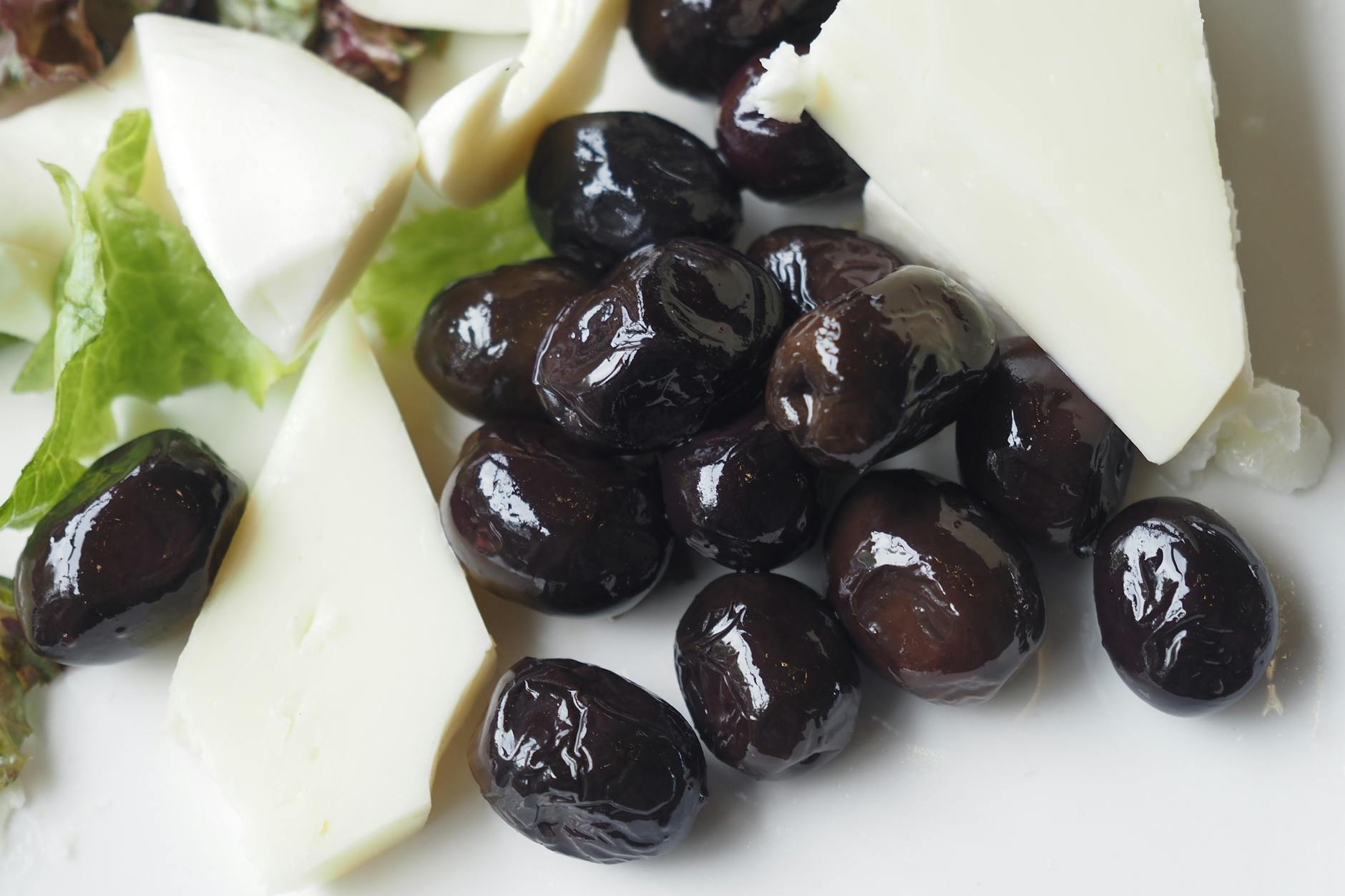
The protective power of the Mediterranean diet rests on specific nutrients working together, not in isolation. Among diet components, a higher monounsaturated-to-saturated fats ratio and greater whole grain intake were associated with more favorable cognitive outcomes. The monounsaturated fats in olive oil, nuts, and avocados protect cell membranes in the brain, while whole grains provide stable energy and nutrients that refined carbohydrates lack. Polyphenols from red wine, berries, and olive oil act as antioxidants, neutralizing free radicals that damage neural cells. Omega-3 fatty acids from fish support the fatty sheath that insulates nerve fibers, allowing faster signal transmission. A critical limitation worth acknowledging is that most research on the Mediterranean diet and brain health focuses on people who already have relatively stable lives and access to quality food.
The generalizability to people with food insecurity, limited time for meal preparation, or significant cultural shifts required to adopt new eating patterns remains unclear. Someone who has eaten a particular way their entire life may struggle with sustained adherence, and short-term dietary changes—lasting months rather than years—show modest benefits. The brain protection from a Mediterranean diet appears to require years of consistent eating patterns to fully manifest. A 2026 study published in Nutrients tracked older adults in a structured Mediterranean diet program over four months and found that participants showed higher urinary BDNF concentrations compared to a control group. BDNF, or brain-derived neurotrophic factor, acts like fertilizer for brain cells, promoting their growth and survival. This measurable biological change—occurring within four months—provides a clear window into how quickly the diet begins affecting brain chemistry. For skeptics who wonder whether dietary change can really matter at a neurological level, this evidence cuts through the noise.
How Gut Health Connects Brain Protection to Your Dinner Plate
The mediterranean diet’s cognitive benefits flow substantially through an unexpected pathway: your gut microbiome. The foods emphasized in this diet—whole grains, legumes, vegetables, fermented products like yogurt and certain cheeses—feed the beneficial bacteria in your intestines. These microorganisms don’t just aid digestion; they produce short-chain fatty acids and other compounds that strengthen the intestinal barrier and reduce systemic inflammation. When inflammation decreases throughout your body, your brain benefits directly, and neurons that might otherwise decline function more effectively. Consider a practical example: a 52-year-old begins eating a Mediterranean diet, emphasizing legumes, which she wasn’t eating regularly before. Legumes are prebiotic foods that feed good gut bacteria. After weeks, her gut microbiome shifts. Those bacteria produce increased amounts of butyrate and other compounds that improve her intestinal barrier function.
Less bacterial lipopolysaccharide leaks into her bloodstream. Inflammation markers decline. In her brain, this translates to reduced activation of microglial cells—immune cells that, when overactive, contribute to cognitive decline. The chain of causation seems long, but it’s mechanistically sound and measured in research studies. The fermented foods component deserves special attention because it offers a different pathway. Fermented dairy products, vegetable ferments, and other traditionally prepared foods contain beneficial bacteria that, consumed regularly, populate the gut and enhance microbial diversity. Greater microbial diversity is associated with better cognitive outcomes and greater resilience against various diseases. Unlike taking a supplement that might provide temporary benefit, changing what you eat creates an ongoing biological shift that deepens over time.
Practical Steps to Transition to a Mediterranean Diet Without Overwhelming Yourself
The Mediterranean diet isn’t fundamentally complicated, but transitioning to it requires intentional choices, particularly for people accustomed to different eating patterns. The practical approach isn’t to overhaul everything simultaneously. Instead, consider making one major shift: increase your olive oil use substantially while reducing butter and other saturated fats. Use olive oil as your primary cooking fat and dressing base. This single change, maintained over months, begins shifting your nutrient profile toward the monounsaturated fat ratio associated with better cognitive outcomes. A useful comparison: someone might try to simultaneously eliminate processed foods, start eating fish multiple times weekly, begin cooking legumes from scratch, and adopt a new meal schedule. This approach usually fails within weeks because the friction exceeds the motivation. The alternative is sequential change. Month one: shift fats.
Month two: add fish to dinner twice weekly, using frozen or canned as needed. Month three: introduce legumes as side dishes or in soups, where prep time is minimal. By month four, you’ve made substantial progress without the whiplash of simultaneous change. Research on habit formation suggests that changes implemented gradually and built layer by layer tend to stick. One tradeoff to acknowledge: authentic Mediterranean eating often requires planning and cooking time that modern schedules compress. Convenience foods deliver exactly what their name promises, but at the cost of nutrient density. Frozen vegetables and legumes are perfectly acceptable shortcuts that preserve nutritional benefit while reducing prep time. Canned fish, often overlooked, contains the same omega-3 fatty acids as fresh. The goal is consistency with the dietary pattern, not perfection with fresh-caught Mediterranean-caught fish at every meal.
Age-Related Changes in Metabolism and Why Starting Earlier Matters More Than Waiting
A crucial limitation of the research is that most studies on Mediterranean diet benefits were conducted in people already in their 60s, 70s, or 80s. It’s reasonable to wonder whether starting at 40 or 50 provides additional protection compared to starting at 65. The honest answer is that we have stronger evidence for the benefits in older populations than in middle-aged adults specifically. However, there’s strong biologically mechanistic reasoning that starting earlier provides advantage—you’re intervening before significant cognitive decline has begun, before amyloid and tau proteins have accumulated substantially in the brain, before inflammation has become chronic and entrenched. The metabolic context shifts with age in ways that make dietary choices increasingly important. Insulin sensitivity gradually declines starting in middle age, and refined carbohydrates that never caused problems at 25 begin driving blood sugar instability at 45.
This metabolic shift increases inflammation and accelerates cognitive decline. The Mediterranean diet, emphasizing whole grains and legumes over refined carbohydrates, helps stabilize blood sugar in ways that prevent this cascade. A warning worth heeding: someone who waits until showing clear cognitive symptoms—memory lapses that interfere with daily life, difficulty following conversations—has waited too long for prevention. At that point, dietary change remains beneficial but works against established pathology rather than preventing it from developing. Another consideration: genetic predisposition to Alzheimer’s disease or cognitive decline exists in some families, and these individuals may derive particularly substantial benefit from dietary intervention. If you have a parent or sibling who experienced cognitive decline, this becomes additional motivation to adopt protective dietary patterns now, not someday.

Mediterranean Diet Variations and Finding What Works for Your Lifestyle
The Mediterranean diet isn’t a monolithic prescription but rather a pattern with meaningful variation across different Mediterranean countries and regions. The “green” Mediterranean diet variation, mentioned in recent research, emphasizes plant-based foods even more heavily than traditional versions, reducing red meat consumption further and increasing vegetable intake. This variation showed equal or superior cognitive benefits in some studies, suggesting that you don’t need to eat fish three times weekly if that doesn’t fit your life.
Plant-focused Mediterranean eating—emphasizing legumes, nuts, seeds, whole grains, and vegetables with olive oil—provides substantial cognitive protection. A concrete example: a vegetarian or vegan person can achieve Mediterranean-pattern benefits by ensuring they consume adequate omega-3 fatty acids from flaxseeds, chia seeds, walnuts, and algae-based supplements, whole grains and legumes for fiber and plant protein, abundant colorful vegetables for polyphenols, and minimal refined foods. The core principles remain constant across variations—whole foods, healthy fats, legumes, vegetables, whole grains, with modest amounts of fish, poultry, dairy, and minimal red meat—but the specific implementation can flex to match cultural preferences, food access, and personal dietary choices.
Future Research and the Evolving Understanding of Diet and Cognitive Health
The research trajectory on Mediterranean diet and cognition is accelerating, with newer studies examining specific mechanisms with increasingly sophisticated tools. The BDNF findings from 2026 represent exactly this kind of advancement—researchers aren’t just measuring whether people eat Mediterranean-style and happen to have better memory, but rather measuring specific brain-protective proteins and showing they increase with dietary change. Future research will likely clarify whether specific components matter most for cognitive protection, whether timing of dietary adoption affects outcomes, and whether people with genetic risk factors for Alzheimer’s disease derive disproportionate benefit.
What seems increasingly clear is that the Mediterranean diet’s cognitive benefits aren’t accidental or marginal. They’re substantial, they’re measurable at multiple biological levels, and they emerge across multiple research teams using different methodologies. The convergence of evidence from brain imaging studies, biomarker research, epidemiological tracking, and mechanistic investigations suggests confidence in these findings. For someone navigating the overwhelming conflicting dietary advice that circulates constantly, the Mediterranean diet stands out as genuinely evidence-based for cognitive protection.
Conclusion
If you’re over 40 and concerned about maintaining cognitive sharpness as you age, the research now provides concrete guidance: adopting Mediterranean dietary patterns offers an approximately 11-30% lower risk of cognitive disorders and slows the rate of cognitive decline by around 18%. These aren’t marginal benefits achieved through extreme restriction. They emerge from a dietary pattern that emphasizes whole grains, legumes, vegetables, olive oil, fish, and minimal processed foods—food that tastes good and aligns with how people in Mediterranean regions have eaten for generations. The pathway from dietary choice to brain protection is clear at the biological level: foods high in polyphenols and omega-3 fats reduce inflammation, fermented foods support a healthy gut microbiome, whole grains stabilize blood sugar, and monounsaturated fats protect neural cells.
The changes don’t happen overnight—the research shows measurable benefits accumulating over months and years—but they’re reliable. Starting now, in your 40s or 50s, means intervening before significant cognitive decline develops. If you’ve waited until 65 or 70, the same dietary changes still provide benefit, but earlier adoption almost certainly yields greater protection. The Mediterranean diet represents one of the few interventions proven to modify cognitive aging trajectories. Making it your pattern now rather than contemplating it later is the evidence-based choice.
You Might Also Like
- New Research Links plant based diet to Better Brain Health After 75
- New Research Links MIND diet to Better Brain Health After 40
- New Research Links DASH diet to Better Brain Health After 55
For more, see NIH MedlinePlus — dementia.