Reviewed by the Help Dementia Editorial Team — our editors review every article for accuracy against guidance from the National Institute on Aging, the Alzheimer’s Association, and peer-reviewed sources.
Eating more sits at the center of this dementia and brain health question.
Eating brown rice regularly appears to protect against dementia, according to multiple research studies spanning over a decade. Individuals who consume more than one serving of brown rice per week show a 22% lower risk of developing dementia compared to those who rarely eat it. For example, a 70-year-old grandmother who switched from white rice to brown rice as her staple grain—eating it 2-3 times weekly with dinner—would be making one of the simplest dietary changes proven to support brain health in aging.
The evidence is particularly compelling because brown rice is affordable, accessible, and requires no special preparation beyond what most people already know how to do. Unlike some brain-health supplements or medications, brown rice comes with additional nutritional benefits including fiber for digestive health and minerals for overall vitality. The research suggests that this isn’t just correlation—there’s a biological mechanism at work.
Table of Contents
- What Does the Research Actually Show About Brown Rice and Dementia Risk?
- How Brown Rice Protects the Brain—The Biological Pathway
- Brown Rice Versus Other Whole Grains—Where Does It Stand?
- How to Incorporate Brown Rice Into a Dementia-Prevention Diet
- What the Research Doesn’t Tell Us—Important Limitations
- Brown Rice Within a Broader Brain-Healthy Dietary Pattern
- The Future of Whole Grains and Brain Health Research
- Conclusion
What Does the Research Actually Show About Brown Rice and Dementia Risk?
A major 12-year study of nearly 3,000 adults in Massachusetts found that people eating the most whole grains were 28% less likely to develop any form of dementia and 36% less likely to develop Alzheimer’s specifically. Within this broader whole grain research, brown rice emerged as a standout: participants consuming more than one serving per week had a hazard ratio of 0.78, meaning their dementia risk dropped by approximately 22%. This wasn’t a small effect—it’s comparable to the risk reduction seen with some prescription medications. More recently, a 2025 study tested whether the benefits were immediate and measurable. Older adults who ate dewaxed brown rice for just six months showed improvements in cognitive function on standardized tests.
These weren’t subtle changes; participants performed better on memory and processing speed assessments. Meanwhile, a dietary pattern study of healthy elderly adults in Asia showed that switching from white rice to a multigrain approach—including brown rice, black rice, millets, and barley—reduced the risk of cognitive impairment significantly compared to those eating white rice and noodles. The mechanism matters for understanding why brown rice works. White rice undergoes processing that removes the bran and germ, stripping away fiber, B vitamins, and compounds that protect brain cells. Brown rice retains this outer layer, delivering resistant starch, fiber, and antioxidants directly to the bloodstream and brain.

How Brown Rice Protects the Brain—The Biological Pathway
brown rice‘s protection against dementia works through several interconnected pathways. The fiber content helps maintain stable blood sugar, preventing the insulin resistance that damages brain cells over time. The B vitamins—particularly B1 and B3—support the myelin sheaths that insulate neurons, allowing electrical signals to travel efficiently. The antioxidants in brown rice’s bran combat the inflammation that accelerates cognitive decline. One important limitation: these studies show association and reduced risk, not reversal of existing dementia. If someone has already developed Alzheimer’s disease, eating brown rice now won’t restore lost memories or reverse cognitive decline.
The protection appears strongest as a preventive measure—something to start in middle age and continue through later life. A 65-year-old with no cognitive symptoms would likely benefit far more than an 85-year-old diagnosed with dementia two years ago. The 2025 study found that even in a six-month timeframe, cognitive improvements appeared. However, we don’t yet know the minimum amount needed or the ideal frequency. Is one serving weekly sufficient? Do benefits plateau after a certain intake level? The answer: we’re not certain. Most studies suggest “more is better,” but even modest increases—moving from zero servings to two per week—appear protective.
Brown Rice Versus Other Whole Grains—Where Does It Stand?
The broader whole grain research shows that brown rice isn’t alone in protecting the brain; oats, barley, quinoa, and whole wheat also reduce dementia risk. However, brown rice has several advantages worth noting. It’s a complete protein when combined with legumes—a pairing common in many cultures for thousands of years. It’s gluten-free, making it accessible to people with celiac disease. It’s cheaper than most “superfood” grains, costing roughly the same as white rice in most stores. Brown rice also has cultural resonance for people who grew up eating rice as a staple.
A 55-year-old man whose family cooked white rice daily might feel more motivated to make a rice-based swap than to add something entirely new to his diet. That psychological ease of adoption—simply choosing brown instead of white at the grocery store—may mean he actually maintains the habit long-term, whereas adding a new grain he’s unfamiliar with might fade within months. One comparison worth considering: brown rice takes longer to cook than white rice (35-45 minutes versus 15-20 minutes). For busy caregivers or older adults with limited energy, this matters. Pressure cookers, rice cookers, or batch cooking on weekends can solve this, but it’s a real practical barrier that the research doesn’t address. An elderly person living alone might stick with white rice simply because it’s faster, making brown rice impractical despite its benefits.
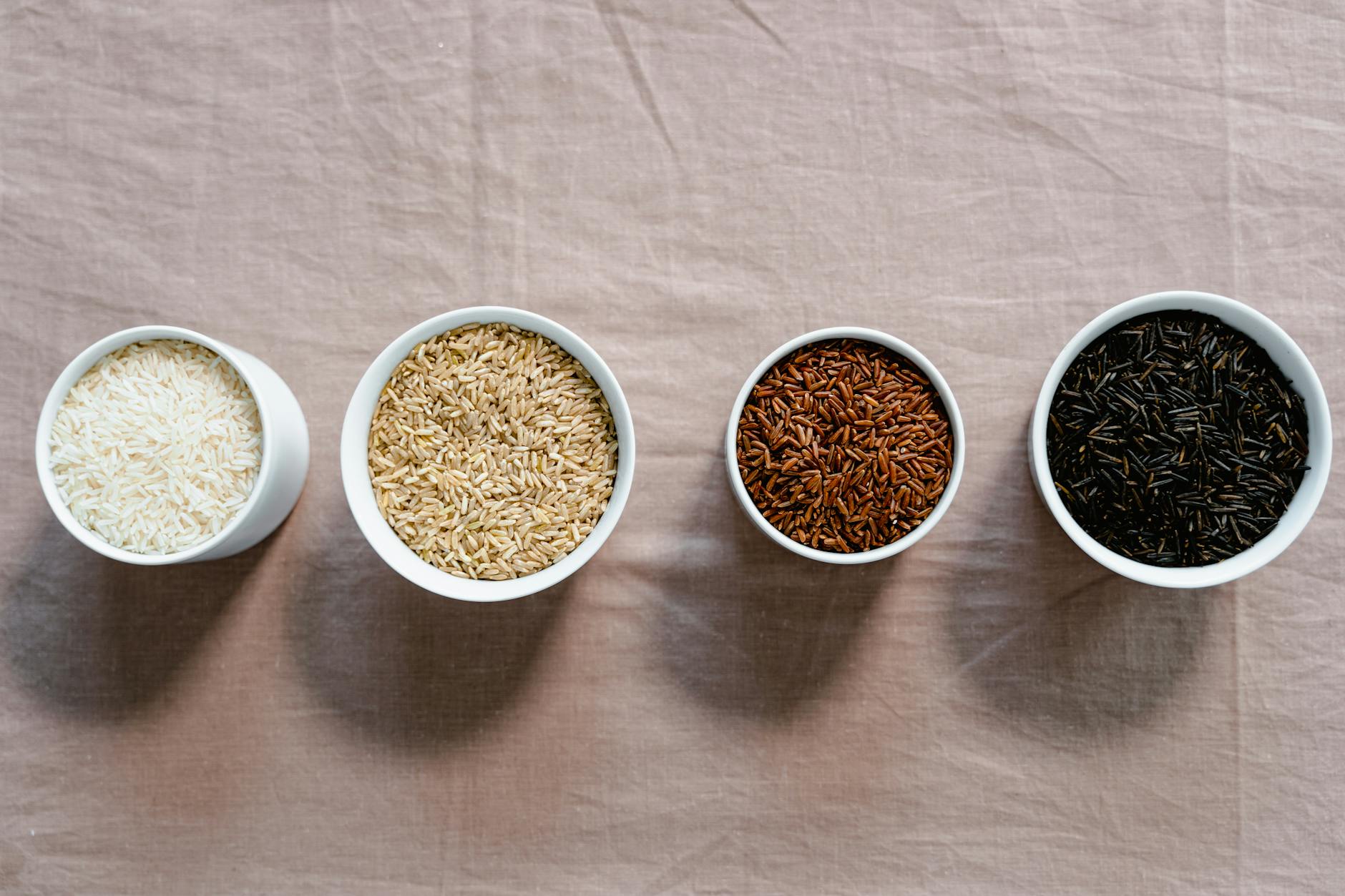
How to Incorporate Brown Rice Into a Dementia-Prevention Diet
The practical question isn’t whether brown rice helps—the research suggests it does—but how to make it a sustainable part of daily eating. The evidence indicates that even modest increases make a difference. If someone currently eats white rice twice weekly, switching one of those meals to brown rice is a meaningful step. Over a year, that’s roughly 50 servings of brown rice instead of white, potentially lowering dementia risk. Preparation strategies matter for long-term adherence. Cooking a large batch of brown rice on Sunday and portioning it into containers makes adding it to lunches throughout the week simple.
Brown rice works in grain bowls with roasted vegetables and beans, mixed into soups, or paired with stir-fried vegetables and protein. For people who find plain brown rice too bland, mixing half brown rice with half white rice is a transition strategy—it’s faster to cook than pure brown rice, cheaper than pure brown rice, but delivers more of the protective compounds than pure white rice. A practical tradeoff: brown rice takes longer to cook, costing time that some households don’t have. White rice costs slightly less and cooks in half the time. The solution isn’t to shame people for eating white rice but to recognize that brown rice is a worthwhile upgrade when feasible. A caregiver helping an older adult eat well might introduce brown rice gradually, starting with one meal weekly and increasing as the person adjusts to the taste and texture.
What the Research Doesn’t Tell Us—Important Limitations
The studies on brown rice and dementia risk are observational, not interventional trials where people are randomly assigned to eat brown rice or not. This means we can’t be 100% certain that brown rice itself causes the risk reduction rather than people who eat brown rice also exercising more, sleeping better, or having other protective habits. Someone choosing brown rice over white rice might also be more health-conscious overall. Additionally, most research on brown rice has been conducted in Asian populations where rice is a dietary staple and consuming multiple servings daily is normal.
Whether the same protective effect holds for Western populations eating brown rice once or twice weekly is an open question. A 60-year-old woman in the United States eating brown rice twice weekly is in a very different dietary context than a 60-year-old in Japan eating brown rice five times weekly with small portions of other foods. Another warning: brown rice contains arsenic, a naturally occurring heavy metal that accumulates in rice because of how plants absorb it from soil and water. The FDA monitors this and considers current rice consumption safe, but people eating rice as their primary grain source—perhaps 10+ servings weekly—should be aware that extremely high intake over decades might pose a risk. Moderate consumption (2-4 servings weekly) balances the dementia-prevention benefits with minimal arsenic exposure.

Brown Rice Within a Broader Brain-Healthy Dietary Pattern
Brown rice doesn’t work in isolation. Recent 2026 research found that eating a high-quality plant-rich diet including whole grains, vegetables, and fruits can prevent cognitive impairment even when people start the diet in their late 50s and 60s. Brown rice is one component of this pattern, not a magic food. Someone eating brown rice with every meal but avoiding vegetables and getting no exercise is missing the larger picture. The synergy matters.
Brown rice combined with beans creates a complete protein and delivers both fiber and plant-based amino acids. Brown rice with leafy greens and cruciferous vegetables multiplies the antioxidants. Brown rice with berries adds anthocyanins that protect brain cells. The research shows that food works best not as isolated nutrients but as part of overall eating patterns. A person asking “should I eat brown rice?” is asking the right question, but the fuller answer is “yes, and also vegetables, fruits, legumes, and healthy fats.”.
The Future of Whole Grains and Brain Health Research
The studies published through 2026 show a clear pattern: whole grains, including brown rice, are protective. What we need to understand better is the dose—exactly how much brown rice is needed for benefit, and whether more is always better. We also need longer randomized controlled trials following people who are assigned to eat brown rice versus white rice for several years to establish causation beyond correlation.
The trajectory suggests that as brain health becomes an increasingly recognized public health priority, foods like brown rice will move from “healthy choice” to “recommended prevention measure” in dietary guidelines. Healthcare systems may begin educating older adults and their caregivers about brown rice specifically, much as they now do for blood pressure and cholesterol management. The advantage of brown rice as a preventive measure is that it’s accessible, affordable, and proven—placing it within reach of people across all economic backgrounds.
Conclusion
Eating brown rice regularly appears to reduce dementia risk by approximately 22%, according to research involving thousands of adults followed for over a decade. The protection comes from brown rice’s fiber, B vitamins, and antioxidants—compounds stripped away in white rice processing. While brown rice isn’t a guarantee against cognitive decline, it’s one of the most evidence-backed, affordable dietary changes available for brain health in aging.
The practical next step is straightforward: if rice is part of your regular diet, brown rice is a worthy upgrade. Start with one meal weekly if daily consumption feels too ambitious, and pair it with vegetables, legumes, and fruits for maximum benefit. The goal isn’t perfection but consistency—making brown rice a regular habit rather than an occasional choice. For caregivers supporting older adults, introducing brown rice gradually removes the barrier of sudden dietary change while delivering the proven protection the research demonstrates.
You Might Also Like
- Eating More wild blueberries Cuts Dementia Risk According to 10 Year Study
- Eating More whole grains Cuts Dementia Risk According to 20 Year Study
- Eating More walnuts Cuts Dementia Risk According to 5 Year Study
For more, see NIH MedlinePlus — cognitive testing.