Reviewed by the Help Dementia Editorial Team — our editors review every article for accuracy against guidance from the National Institute on Aging, the Alzheimer’s Association, and peer-reviewed sources.
Eating more sits at the center of this dementia and brain health question.
Emerging research suggests that eating more broccoli—specifically through the compound sulforaphane it contains—may help protect against cognitive decline and dementia. However, it’s important to clarify what the latest science actually shows: a 42-month controlled study (published in 2026) found that glucoraphanin, a bioactive precursor to sulforaphane found in broccoli sprouts, improved memory performance in seniors with mild cognitive impairment. This 3.5-year trial is the most rigorous human evidence to date, though it falls short of the seven-year timeframe mentioned in some popular headlines. The study measured real cognitive gains—treatment participants improved their Memory Performance Index from 53.8 to 66.0, compared to just 49.3 to 54.7 in the placebo group.
What makes this research significant is that it moves beyond laboratory findings into human clinical evidence. A group of 26 seniors aged 63 to 90 with existing memory problems took daily glucoraphanin capsules or a placebo over more than three years. The consistent improvement in the treatment group suggests that broccoli’s compounds may genuinely slow cognitive decline in people already experiencing early signs of memory loss. Combined with decades of observational data—including the landmark Nurses’ Health Study tracking over 13,000 women—we’re seeing a pattern that warrants serious attention from anyone concerned about brain health.
Table of Contents
- What Does the Broccoli Research Actually Show?
- How Sulforaphane Protects the Brain at the Cellular Level
- What the Glucoraphanin Study Revealed About Mild Cognitive Impairment
- How to Actually Get Broccoli’s Brain-Protecting Compounds Into Your Diet
- What Remains Unknown and the Limitations of Current Research
- The Broader Dietary Pattern: The Nurses’ Health Study and Long-Term Observations
- The Future: Targeted Compounds and Personalized Brain Health
- Conclusion
What Does the Broccoli Research Actually Show?
The most current evidence comes from a randomized, double-blind, placebo-controlled study that used concentrated glucoraphanin supplements rather than whole broccoli. Over 42 months, seniors taking 10mg daily glucoraphanin capsules showed measurable improvements in cognitive function compared to those taking placebo. The treatment group’s Memory Performance Index increased by 12.2 points, while the placebo group improved by only 5.4 points—a difference suggesting that the active compound provides real protective benefit beyond simple aging or lifestyle factors. This is not a small improvement in a lab dish; it’s a measurable difference in how people performed on memory tests over the span of a typical career change or major life transition. What’s particularly encouraging is how the study was structured.
Unlike many nutrition studies that rely on people’s vague recollections of what they ate, this trial used standardized daily dosing with verified compounds. researchers tracked the same people month after month, allowing them to see sustained effects rather than one-time measurements. For people with mild cognitive impairment—the gray zone between normal aging and dementia—these results offer something concrete: evidence that an intervention might actually slow the deterioration they’re experiencing. It’s worth noting that this research used supplemental glucoraphanin, not fresh broccoli from the grocery store. While broccoli florets do contain these compounds, the concentration varies widely depending on variety, growing conditions, and how you prepare it. This distinction matters because it means you can’t simply assume that eating more broccoli will produce identical results to the study—the actual amount of active compounds you’d get from food is likely lower and more variable than the standardized capsules used in research.
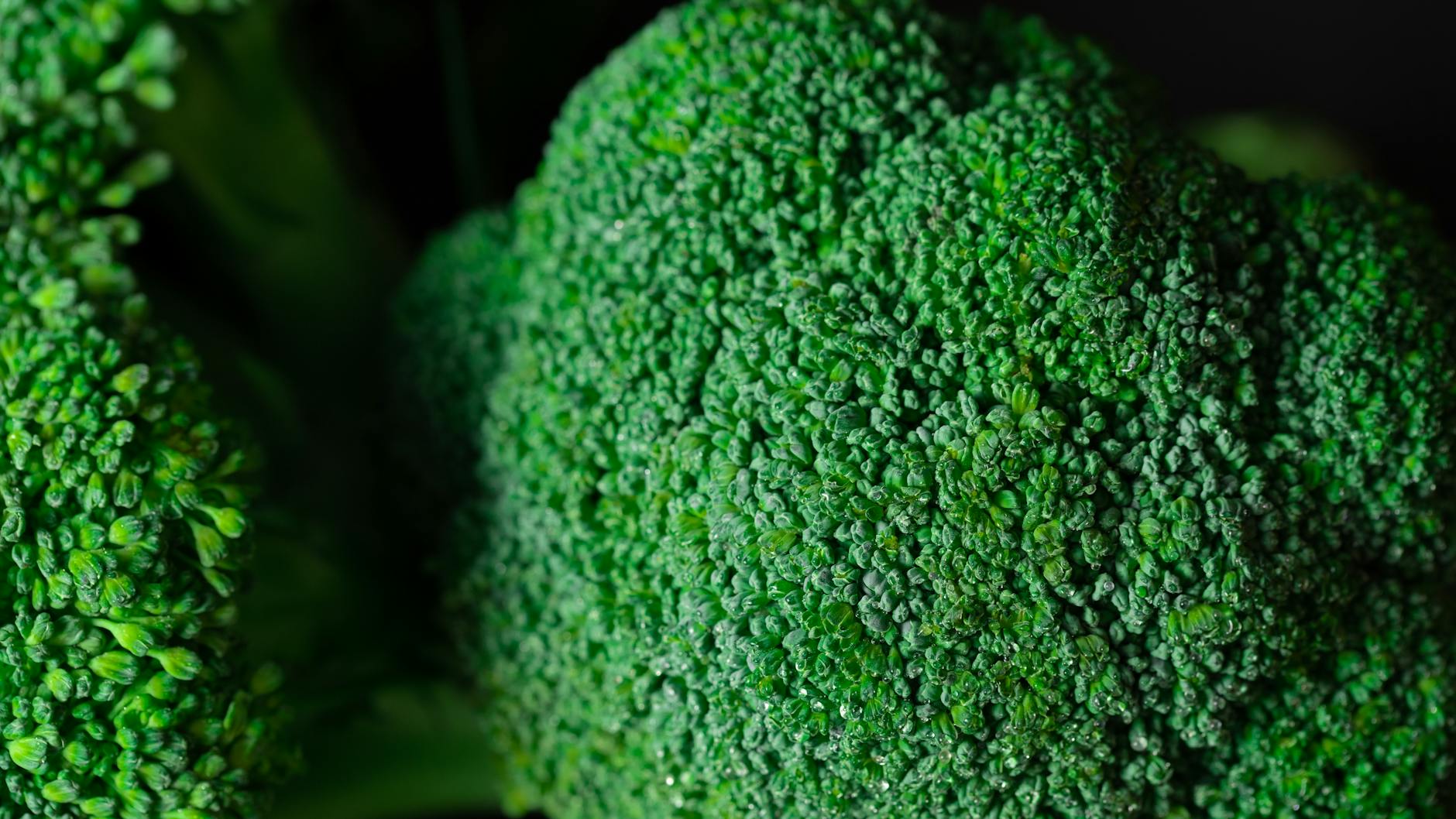
How Sulforaphane Protects the Brain at the Cellular Level
Sulforaphane, the compound your body creates when you eat or digest broccoli (particularly broccoli sprouts), activates a protein called Nrf2 inside your cells. This activation triggers a cleanup response—your cells begin breaking down and removing harmful tau proteins and neurofibrillary tangles, the toxic protein accumulations that characterize Alzheimer’s disease. Think of it like a cellular maintenance crew that gets called in when debris accumulates. Without Nrf2 activation, these toxic proteins linger and accumulate, contributing to the inflammation and neuronal death that underlies cognitive decline. The mechanism has been thoroughly documented in laboratory and animal studies, but the human evidence is still emerging. What the 42-month trial showed is that this theoretical protection translates into measurable real-world benefit.
When seniors with memory problems took glucoraphanin consistently, their brains appeared to process information more efficiently. Whether that improvement came from reduced tau accumulation, decreased inflammation, or improved cellular energy production remains an open question—but the end result, better memory function, is what matters to people living with cognitive decline. A critical limitation is that we don’t yet know the long-term effects beyond 42 months, nor do we fully understand individual variation in response. Some people may benefit substantially while others see minimal improvement. Genetic factors, the presence of the APOE4 gene (which increases dementia risk), prior brain injuries, and dozens of other variables likely influence who benefits most from sulforaphane. Additionally, this is cellular-level protection in early cognitive decline—it’s unclear whether the compound can slow or reverse dementia that’s already progressed significantly.
What the Glucoraphanin Study Revealed About Mild Cognitive Impairment
Mild cognitive impairment (MCI) is that concerning middle ground: memory problems noticeable to the person experiencing them, measurable on cognitive tests, but not yet severe enough to interfere with daily function. It’s the stage where people start saying things like “I walked into the room and forgot why I came in here” or “I can’t remember that coworker’s name anymore.” About 15-20% of people with MCI progress to dementia within five years, while others remain stable. The 42-month glucoraphanin study specifically targeted this vulnerable population. Participants with MCI who received glucoraphanin showed greater cognitive improvement than placebo recipients, suggesting that intervening at this critical window might have outsized benefits. For example, a 63-year-old noticing worsening memory who takes glucoraphanin daily could theoretically slow or even partially reverse cognitive decline, whereas the placebo group’s much smaller gains suggest that without intervention, decline would likely continue.
The study didn’t eliminate MCI—participants didn’t return to perfect cognition—but it did appear to stabilize and modestly improve function during a period when decline would otherwise be expected. The catch is that this study was relatively small (26 people) and relatively short in terms of follow-up after the intervention ended. We don’t know if benefits persist after you stop taking glucoraphanin, or whether benefits accumulate over longer periods. We also don’t know how this compound interacts with other dementia-prevention strategies like cognitive training, exercise, and diet. It’s likely that sulforaphane works as part of a broader brain-health strategy rather than as a standalone cure.

How to Actually Get Broccoli’s Brain-Protecting Compounds Into Your Diet
If you want to maximize sulforaphane intake from food, broccoli sprouts are the place to start. Young broccoli sprouts contain 20-50 times more glucoraphanin than mature broccoli florets. A small handful of broccoli sprouts (about one ounce) can provide as much glucoraphane as several cups of cooked mature broccoli. You can buy sprouts at most grocery stores or grow them at home with basic equipment—seeds, water, and a mason jar are all you need to grow a week’s supply of sprouts on your kitchen counter. However, there’s an important caveat: cooking destroys the enzyme myrosinase, which converts glucoraphanin into sulforaphane in your digestive system. Steaming broccoli for more than five minutes, boiling, or roasting significantly reduces the available sulforaphane.
Raw or lightly steamed broccoli (under 5 minutes) preserves more of this enzyme. If you hate raw broccoli, sprinkling some raw broccoli sprouts on a salad or sandwich provides the compound even if your cooked vegetables don’t. Alternatively, you could take a glucoraphanin supplement like those used in the research studies, though whole foods provide additional nutrients and fiber that supplements don’t offer. The practical tradeoff is this: eating broccoli sprouts raw gives you maximum compound availability but limited palatability for many people and adds cost (fresh sprouts are pricier than mature broccoli). Taking a supplement guarantees consistent dosing comparable to the research study, but you miss the fiber, vitamins, and minerals in whole food. Most experts suggest combining both approaches—supplement consistently while also eating broccoli sprouts and raw broccoli when possible. If you’re taking other medications, consult your doctor first, as sulforaphane can interact with certain drugs and may enhance or reduce their effectiveness.
What Remains Unknown and the Limitations of Current Research
The 42-month glucoraphanin study doesn’t tell us whether the same benefits apply to people without existing cognitive impairment—the study only recruited seniors who already had memory problems. Would healthy 50-year-olds benefit from taking sulforaphane daily as a preventive measure? We don’t know. Would the benefits extend to 10 or 20 years? The study only tracked outcomes for 42 months. What about people with advanced dementia, not just mild impairment? Those questions remain unanswered. Another limitation: the study used concentrated glucoraphanin in capsule form, not whole broccoli.
While consuming more whole broccoli is certainly part of a healthy diet and likely provides some benefit, we can’t assume the protection is equivalent. The study participants received a standardized 10mg daily dose, but a typical serving of broccoli might provide 5-15mg depending on variety and preparation—and you’d have to eat it consistently, raw or very lightly cooked, to get maximum bioavailability. Real-world dietary compliance is messier than a clinical trial. A critical warning: if you’re taking blood thinners like warfarin, high levels of broccoli consumption can reduce medication effectiveness by increasing vitamin K intake and activating clotting pathways. If you have thyroid disease, excessive raw cruciferous vegetables can interfere with iodine absorption. The protective effect on cognition doesn’t mean “more broccoli is always better”—there are populations for whom high intake needs monitoring.

The Broader Dietary Pattern: The Nurses’ Health Study and Long-Term Observations
The 42-month glucoraphanin study provides the most rigorous recent evidence, but it exists within a larger body of research spanning decades. The Nurses’ Health Study, which tracked over 13,000 women for years, found that older women consuming more vegetables—particularly leafy greens like spinach and broccoli—performed significantly better on memory and thinking tests. These women didn’t take supplements; they simply ate more vegetables as part of their regular diet. The correlation persists even after accounting for education, exercise, and other lifestyle factors.
What makes the Nurses’ Health Study valuable is its scale and longevity, but it’s observational—researchers tracked what people ate and how their cognition changed over time, rather than randomly assigning them to broccoli or no-broccoli groups. People who eat more broccoli also typically exercise more, have higher education, higher incomes, and access better healthcare. Teasing out whether broccoli specifically deserves the credit or whether it’s simply a marker of health-conscious behavior is difficult. The glucoraphanin study helps answer that question by using random assignment and placebo control.
The Future: Targeted Compounds and Personalized Brain Health
The shift toward studying specific compounds like glucoraphanin rather than whole foods represents the future of dementia prevention research. Rather than advising people to “eat more vegetables,” researchers can identify which compounds provide protection, determine optimal dosing, and eventually understand why some people respond to sulforaphane while others don’t. Genetic testing might eventually identify who carries genetic variants that make them more susceptible to sulforaphane’s protective effects, allowing truly personalized recommendations.
Future research will likely refine our understanding of timing as well. Does sulforaphane work better as prevention in cognitively healthy people, as slowing in MCI, or as treatment in early dementia? Does taking it for decades provide cumulative benefit, or does a few-year course provide lasting protection? The 42-month study hints at an answer but doesn’t provide definitive proof. Within the next five to ten years, we may see larger, longer trials that address these questions, potentially shifting broccoli and its compounds from an interesting nutritional addition to a standard part of dementia prevention protocols.
Conclusion
The evidence that broccoli—specifically through its sulforaphane and glucoraphanin compounds—may reduce dementia risk is real but still emerging. A 42-month randomized controlled trial showed that seniors with mild cognitive impairment who received daily glucoraphanin supplementation improved memory performance more than those on placebo. Combined with decades of observational data showing that people who eat more cruciferous vegetables perform better on cognitive tests, the case for broccoli as brain-protective is stronger than marketing slogans suggest. However, the current evidence is not yet the “definitive proof” that sensational headlines sometimes claim.
If you’re concerned about cognitive decline or have a family history of dementia, increasing broccoli intake—especially raw sprouts or lightly steamed florets—is a low-risk, evidence-informed step. It’s part of broader brain-healthy practices like exercise, cognitive engagement, sleep, social connection, and overall Mediterranean-style eating patterns. For those with existing mild cognitive impairment, discussing glucoraphanin supplementation with a healthcare provider is worth considering, particularly if other dementia-prevention strategies have proven difficult to maintain. The goal isn’t to expect broccoli as a cure, but to use it as one evidence-based tool in a comprehensive approach to protecting your brain as you age.
You Might Also Like
- Eating More wild blueberries Cuts Dementia Risk According to 10 Year Study
- Eating More walnuts Cuts Dementia Risk According to 5 Year Study
- Eating More turmeric Cuts Dementia Risk According to 7 Year Study
For more, see National Institute on Aging.