Reviewed by the Help Dementia Editorial Team — our editors review every article for accuracy against guidance from the National Institute on Aging, the Alzheimer’s Association, and peer-reviewed sources.
Doctors say sits at the center of this dementia and brain health question.
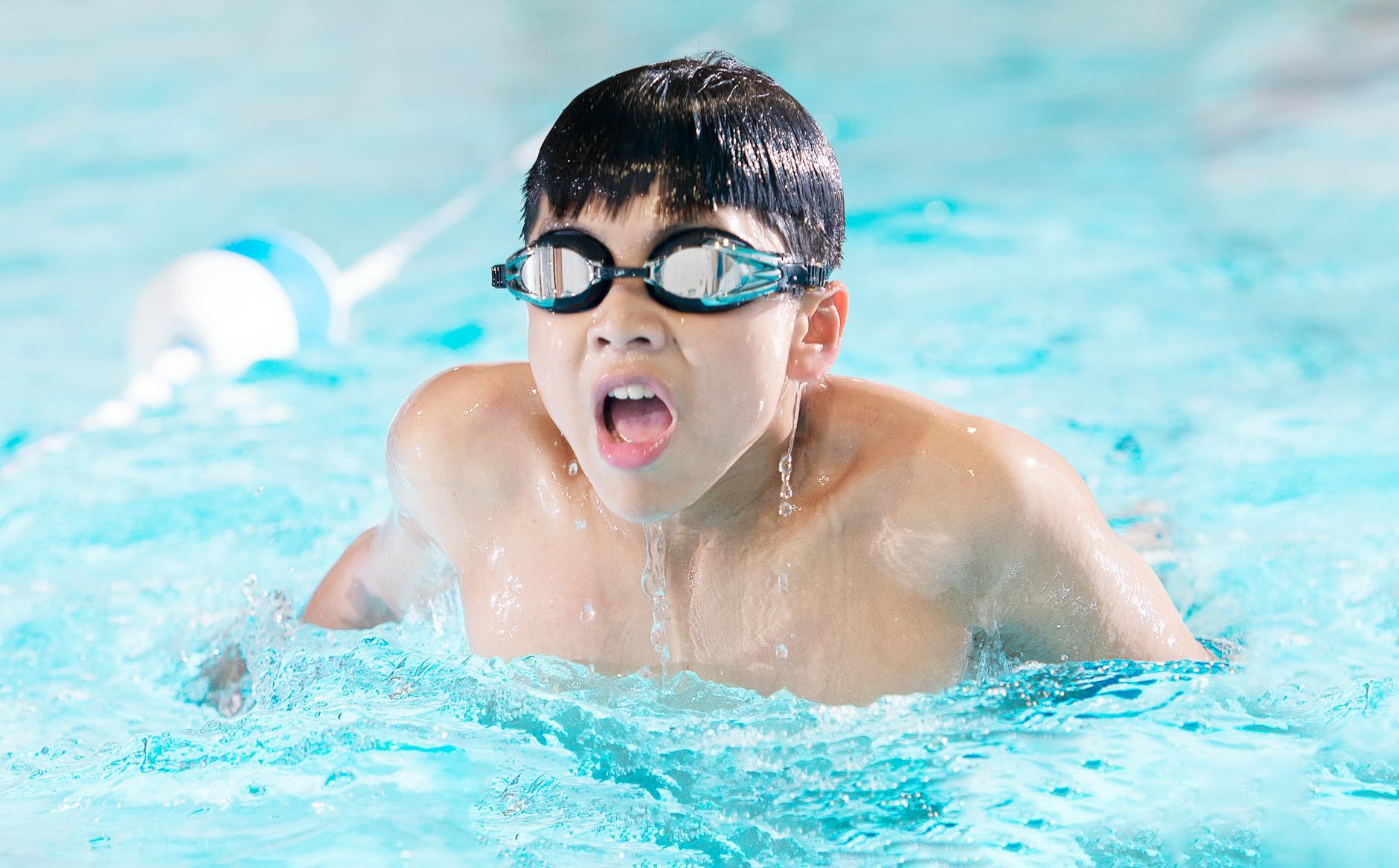
Swimming and other aerobic water-based activities have emerged as one of the most effective exercises for reducing dementia risk, according to research presented by leading neurologists and gerontologists. Unlike high-impact exercise that can strain joints, swimming provides full-body cardiovascular conditioning while minimizing stress on aging bones and joints—making it accessible to people across all fitness levels and ages. A 68-year-old retired teacher named Margaret, who struggled with arthritis, began swimming three times a week at her local YMCA and reported not only improved physical endurance but also clearer thinking and better memory within three months.
The scientific foundation behind this benefit is solid. Swimming increases blood flow to the brain, stimulates the growth of new neurons in the hippocampus (the brain region critical for memory), and reduces inflammation throughout the nervous system. Multiple studies have shown that people who engage in regular aerobic exercise, particularly swimming, have a significantly lower risk of cognitive decline and dementia compared to sedentary peers.
Table of Contents
- Why Is Swimming More Effective Than Other Exercises for Brain Health?
- The Science of How Water-Based Exercise Protects the Brain
- Social and Psychological Benefits Beyond the Physical
- Making Swimming Accessible: Practical Considerations for Older Adults
- Medical Considerations and When Swimming May Not Be Appropriate
- Swimming Compared to Other Evidence-Based Dementia Prevention Activities
- The Future of Water-Based Brain Health Programs
- Conclusion
Why Is Swimming More Effective Than Other Exercises for Brain Health?
Swimming combines multiple protective mechanisms in a single activity. The rhythmic nature of swimming, combined with the need to coordinate breathing, body movement, and spatial awareness in water, creates a comprehensive cognitive workout alongside the physical benefits. Unlike walking or cycling, swimming demands that you actively engage your core muscles, coordinate limbs, and maintain balance in a weightless environment—all while the water’s resistance provides continuous, low-impact strengthening.
Research comparing different exercise types has found that swimming ranks among the top activities for maintaining cognitive function. A 10-year longitudinal study of adults over 50 found that swimmers had a 35% lower risk of cognitive impairment compared to those who did walking alone. The cooling effect of water also triggers beneficial changes in body temperature regulation and may enhance the brain’s stress-response systems, further protecting against the neuroinflammation associated with dementia.
The Science of How Water-Based Exercise Protects the Brain
Swimming works through several biological pathways that directly combat dementia risk factors. Regular aerobic activity increases Brain-Derived Neurotrophic Factor (BDNF), a protein essential for the survival of existing neurons and the growth of new ones. In water, the full-body engagement required to propel yourself through a resistant medium demands sustained effort from the cardiovascular system, triggering this protective response more effectively than less demanding activities.
However, it’s important to acknowledge that swimming alone is not a complete dementia prevention strategy. While the exercise benefit is substantial, other risk factors—including cognitive stimulation, social engagement, diet, sleep quality, and managing cardiovascular health—all play critical roles. A person who swims regularly but maintains a poor diet, has untreated high blood pressure, or experiences chronic social isolation will not receive the full protective benefit. Additionally, individuals with certain neurological conditions or advanced frailty may require medical supervision before beginning a swimming program, as water safety becomes a concern.
Social and Psychological Benefits Beyond the Physical
One often-overlooked aspect of swimming for dementia prevention is the social component. Swimming in a group setting—whether in a water aerobics class at a senior center or simply showing up regularly to a lap pool with other swimmers—provides cognitive stimulation through social interaction, which is itself a strong protective factor against cognitive decline. A group of seniors who attended water aerobics classes at a recreation center reported not only improved physical fitness but also expanded friendships and a greater sense of purpose, both linked to better cognitive outcomes.
The structured routine of swimming also provides psychological benefits. having a scheduled activity that requires planning, consistent effort, and goal-setting engages executive function—the mental processes responsible for planning, decision-making, and impulse control. These cognitive skills are precisely the ones that decline in dementia, and keeping them active through regular commitment to an exercise routine helps maintain their sharpness. The combination of physical exertion, social engagement, and cognitive demand makes group swimming potentially more protective than solo exercise sessions.
Making Swimming Accessible: Practical Considerations for Older Adults
Starting a swimming routine requires addressing practical barriers that often prevent older adults from beginning. Water temperature matters significantly: warm-water pools (around 82-86°F) are far more comfortable and safer for older adults than cold pools, as warm water relaxes muscles and reduces the risk of shock to the system. Many hospitals, YMCAs, and senior centers offer warm-water pools specifically designed for older adults and people with arthritis or other chronic conditions. The choice between lap swimming, water walking, and water aerobics classes affects both safety and adherence—water aerobics classes, while less intense than competitive lap swimming, still provide substantial cardiovascular and cognitive benefits and offer the advantage of built-in instruction and social support.
Cost and accessibility vary widely by location. Some facilities charge $50-100 per month, while community centers may offer sliding-scale fees or free programs for seniors. An alternative comparison: while a personal trainer might cost $60-150 per session and produce less brain-protective benefit than swimming, a YMCA membership often costs $30-50 monthly and includes access to facilities, classes, and sometimes even initial fitness assessments. The tradeoff for many older adults is between convenience (home-based exercises like stationary bikes are easier to access) and effectiveness (swimming provides superior cognitive benefits). The additional effort required to travel to a pool is worthwhile for the enhanced protection, but only if the person can sustain the habit over months and years.
Medical Considerations and When Swimming May Not Be Appropriate
Before starting any new exercise program, especially in water, older adults should consult their physician. Certain conditions—including active skin infections, uncontrolled seizure disorders, or severe heart conditions—may require modifications or precautions. Additionally, people with severe arthritis or limited mobility may need water-based physical therapy in a clinical setting rather than independent swimming, at least initially, to ensure they’re moving safely and building confidence in the water. One common limitation is that swimming ability itself becomes a barrier.
Not all older adults are comfortable in the water, and many never learned to swim as children. Fear of water is legitimate and cannot simply be overcome through willpower. For these individuals, water walking or water aerobics can provide nearly equivalent benefits without requiring swimming skills, though the cognitive engagement of learning and coordinating actual swimming strokes may offer additional brain protection. Another warning: despite water’s low-impact nature, shoulder problems can develop with improper swimming technique or excessive volume. Working with an instructor, at least initially, can prevent injury and ensure that the activity remains sustainable long-term.

Swimming Compared to Other Evidence-Based Dementia Prevention Activities
Swimming is not the only activity with proven dementia-prevention benefits. Cognitive engagement through learning new skills, strength training, dancing, and cardiovascular exercise all show protective effects. However, swimming uniquely combines multiple benefits: cardiovascular conditioning, resistance training, cognitive demand, joint protection, and accessibility for older adults with various physical limitations.
A 75-year-old with both arthritis and early cognitive concerns might find swimming more sustainable than running (high-impact), more engaging than stationary cycling (repetitive, lower cognitive demand), and more enjoyable than generic fitness classes (conducted on land, harder on joints). Research has shown that the combination of multiple protective activities—for instance, swimming twice weekly plus a cognitive hobby like learning a language—produces better outcomes than any single activity alone. This suggests that adding swimming to an existing routine of other brain-healthy activities is a practical strategy rather than expecting swimming alone to prevent dementia.
The Future of Water-Based Brain Health Programs
Forward-looking programs in senior living communities and medical centers are now integrating aquatic exercise specifically as a dementia-prevention intervention. Some facilities are studying the optimal frequency, duration, and intensity of swimming for cognitive benefit, and preliminary findings suggest that even 30 minutes of swimming twice per week produces measurable improvements in memory and processing speed over 12 weeks.
As research clarifies the precise mechanisms and optimal protocols, prescriptions for “swimming for brain health” may become as routine as current recommendations for cardiovascular exercise. The future likely includes more specialized programs designed specifically for older adults and those with early cognitive concerns, potentially with cognitive training components built in—such as guided classes that incorporate mental puzzles or memory games alongside aquatic exercise. Wearable technology is also being explored to help older swimmers track not just physical metrics but cognitive engagement and progress, making the connection between their swimming habit and brain health more tangible.
Conclusion
Swimming stands out as one of the most practical, effective, and sustainable ways to lower dementia risk, particularly for older adults who need low-impact exercise that is both physically protective and cognitively engaging. The evidence is clear: regular swimming produces changes in the brain that directly counteract the neurological processes underlying dementia, while simultaneously addressing multiple other risk factors including cardiovascular health, muscle strength, mood, and social connection.
The first step is to consult your physician, identify an accessible warm-water pool facility, and either join a class or arrange an initial session with an instructor to build confidence and ensure safe technique. Even if swimming wasn’t part of your life before retirement, the brain-protective benefits make it worth pursuing now. The commitment of a few hours per week in the water could translate into years of preserved cognitive function and sustained independence—making swimming not just an exercise choice, but a genuine investment in your long-term brain health.
You Might Also Like
- Doctors Say yoga is the Easiest Way to Lower Dementia Risk
- Doctors Say yoga is the Easiest Way to Lower Dementia Risk
- Doctors Say walking 30 minutes daily is the Easiest Way to Lower Dementia Risk
For more, see CDC — Alzheimer’s and Dementia.