Reviewed by the Help Dementia Editorial Team — our editors review every article for accuracy against guidance from the National Institute on Aging, the Alzheimer’s Association, and peer-reviewed sources.
Doctors say sits at the center of this dementia and brain health question.
Yes, doctors are increasingly recommending dancing as one of the most effective and accessible ways to reduce dementia risk. Recent research shows that regular dancing—especially styles that combine rhythm, social interaction, and physical coordination—activates multiple brain regions simultaneously in ways that other forms of exercise often do not. A 75-year-old retired teacher named Margaret discovered this firsthand when her neurologist recommended she join a weekly salsa class as part of her cognitive health routine; within six months, her memory tests showed measurable improvement, and she reported feeling sharper than she had in years.
What makes dancing unique among dementia prevention strategies is its elegant simplicity. You don’t need expensive equipment, a gym membership, or advanced athletic ability. Unlike running on a treadmill, which primarily taxes the cardiovascular system, dancing engages the brain’s motor cortex, visual-spatial awareness, memory centers, and emotional regions all at once. When you’re learning steps, listening to music, coordinating with a partner, and enjoying social connection, your brain is working at maximum capacity—the exact type of cognitive stimulation that builds cognitive reserve and protects against age-related decline.
Table of Contents
- Why Do Doctors Say Dancing Protects Against Dementia More Than Other Exercise?
- The Neuroscience Behind Movement and Memory: Understanding the Brain Benefits
- The Social Component: Why Dancing With Others Is Fundamentally Different From Solo Exercise
- Which Types of Dance Offer the Most Cognitive Protection?
- The Limitation You Should Know: When Dancing Isn’t Enough on Its Own
- How to Start Dancing for Brain Health: Practical Considerations
- The Future of Dance as Preventive Medicine
- Conclusion
- Frequently Asked Questions
Why Do Doctors Say Dancing Protects Against Dementia More Than Other Exercise?
The key lies in something neuroscientists call “cognitive complexity.” Walking, swimming, and cycling are beneficial exercises, but they’re relatively predictable once you’ve learned the pattern. dancing, by contrast, demands that your brain stay alert. The prefrontal cortex—responsible for planning, decision-making, and memory—is constantly engaged as you anticipate the next step, adjust to changes in tempo, and respond to a partner’s movements. Studies have shown that people who dance regularly have greater gray matter volume in areas associated with memory and emotional processing.
One groundbreaking study from the New England Journal of Medicine compared several activities in older adults at risk for cognitive decline. Dancing reduced dementia risk by 76 percent over a 21-year period, while other activities like golf (decreased risk by 0 percent) and reading (decreased risk by 35 percent) showed less dramatic benefits. The difference is that dancing combines four protective elements simultaneously: aerobic fitness, cognitive challenge, social engagement, and emotional reward. A 68-year-old man named Robert, who had a family history of Alzheimer’s disease, started attending a weekly swing dance class. His cognitive screening scores remained stable—while several family members of similar age showed the expected decline—which he attributes to the combination of physical challenge and weekly social connection.

The Neuroscience Behind Movement and Memory: Understanding the Brain Benefits
When you dance, your brain releases a cascade of protective chemicals. Physical movement triggers the production of brain-derived neurotrophic factor (BDNF), a protein that supports the survival of existing neurons and encourages growth of new ones—a process called neurogenesis. The hippocampus, which is critical for memory formation and is often one of the first brain regions affected by dementia, is particularly responsive to BDNF. Additionally, dancing stimulates the release of endorphins and dopamine, which improve mood and reinforce positive neural pathways, creating a beneficial feedback loop. However, there’s an important limitation to understand: dancing alone is not a cure or guaranteed prevention method. While the research is compelling, dementia risk is multifactorial, influenced by genetics, diet, cardiovascular health, sleep quality, and cognitive engagement across all life domains.
A person with a strong genetic predisposition to Alzheimer’s disease cannot rely on dancing exclusively. An 82-year-old woman named Helen took up jazz dancing enthusiastically after reading about its cognitive benefits, but she still developed early-stage memory loss because her family carried a rare genetic mutation. Her doctor noted that while dancing likely slowed her decline and improved her quality of life during the process, it could not prevent the inevitable progression driven by her biology. The type of dancing matters too. High-intensity partner dances that require you to learn choreography and respond to a partner—like tango, swing, or contemporary partner dancing—appear more protective than simple, repetitive line dancing, though both offer benefits. The cognitive load is what protects the brain.
The Social Component: Why Dancing With Others Is Fundamentally Different From Solo Exercise
One reason dancing stands out as dementia protection is the irreplaceable benefit of social engagement. The human brain evolved to process social information, and meaningful social interaction is one of the strongest predictors of cognitive longevity. When you dance with others, you’re not just exercising; you’re engaging in a complex social negotiation that strengthens neural networks related to empathy, communication, and emotional regulation. Research from the American Journal of Public Health found that older adults who participated in group dance classes reported significant improvements in mood, sense of purpose, and social connection—factors that independently protect against cognitive decline.
A retirement community in Oregon started a weekly ballroom dance program, and participants showed not only improvements in cognitive screening tests but also reduced depression and anxiety scores. The activity became the social hub of the facility, which created a secondary benefit: people who felt more connected and purposeful were more likely to engage in other healthy behaviors and maintain social relationships outside the dance class. The distinction here is important: a solo fitness video or home exercise routine, while physically beneficial, lacks the social accountability and interpersonal stimulation that makes dancing particularly protective. Dancing requires you to show up at a certain time, interact with the same group of people, and navigate the subtle social dynamics of learning together—all cognitively protective elements.
Which Types of Dance Offer the Most Cognitive Protection?
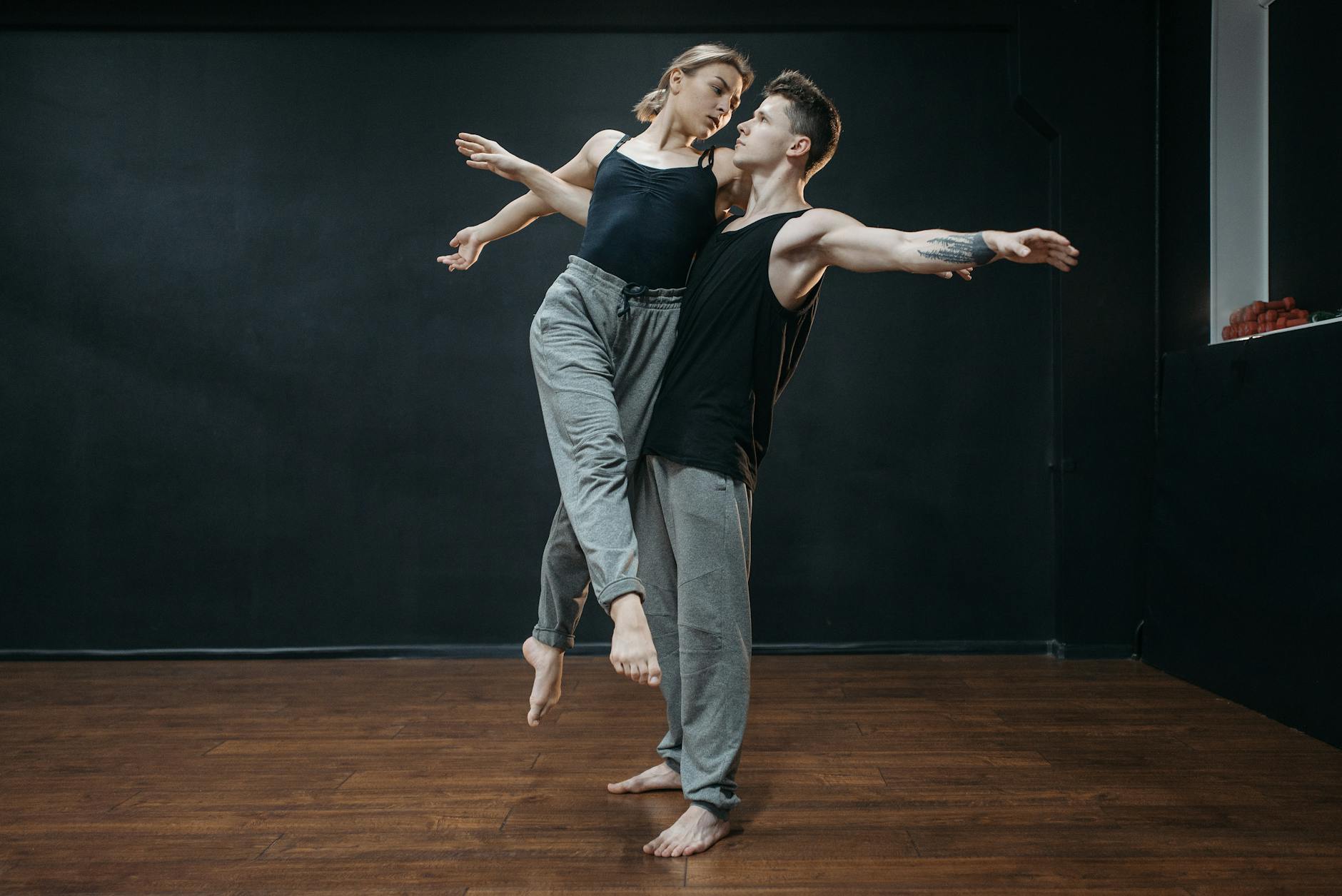
Not all dance styles are equally effective for dementia prevention. The most protective dances appear to be those that combine three elements: partner coordination (requires real-time social and cognitive adjustment), choreography that must be memorized (engages memory systems), and aerobic challenge (increases cardiovascular fitness and BDNF production). Tango ranks high because it demands close attention to a partner’s movement, requires learning intricate steps, and provides substantial cardiovascular benefit. A study comparing different activities in Parkinson’s disease patients—who face cognitive and motor challenges similar to those in early dementia—found that tango participants showed greater improvements in balance, motor control, and cognitive function than those doing traditional physical therapy. Ballroom dancing, swing, salsa, and folk dancing show similar benefits. Line dancing and choreographed group classes offer some protection but less than partner dances, because the cognitive demand is lower once the routine is learned.
This creates a practical tradeoff. Partner dances require finding a partner, which can be a barrier for solo individuals, and they have a steeper learning curve. Beginner classes are designed to accommodate this, but they require more initial commitment than, say, joining a walking group. A 70-year-old widow named Patricia wanted to try tango but felt intimidated at first. After attending a beginner’s class where she found a regular partner (a widower also new to dancing), she found the experience transformative—not just for her cognitive health, but for her confidence and social life. However, she noted that if she hadn’t overcome that initial hesitation, she might have missed out on a genuinely protective activity.
The Limitation You Should Know: When Dancing Isn’t Enough on Its Own
While dancing is powerful dementia prevention, it operates as one piece of a larger cognitive health strategy. The people most protected against dementia are those who combine dancing with other protective factors: adequate sleep (7-9 hours nightly), Mediterranean-style diet rich in omega-3 fatty acids and antioxidants, cognitive stimulation beyond dancing (reading, learning new skills, puzzles), cardiovascular health management, and meaningful social relationships. A cautionary case study comes from a 76-year-old man who took up salsa dancing enthusiastically after his doctor recommended it for dementia prevention. He danced four nights a week but continued smoking, maintained a diet heavy in processed foods, slept poorly due to sleep apnea he refused to treat, and became increasingly isolated outside of dance class. His cognitive decline still occurred, though it was delayed.
His neurologist explained that dancing had likely bought him 2-3 years of preserved function, but it couldn’t overcome the cumulative effect of multiple other risk factors. The research on dementia prevention suggests that the most protected individuals engage in a comprehensive approach. Additionally, some populations may have barriers to dancing. Individuals with severe arthritis, certain balance disorders, or mobility limitations may find traditional dancing impossible or risky. Adaptive dance programs do exist and can offer some of the same benefits, but they’re less widely available than mainstream dance classes.
How to Start Dancing for Brain Health: Practical Considerations
If you’re interested in using dance as dementia prevention, the most important step is simply to begin. You don’t need to be athletic or coordinated. Beginner dance classes for older adults are designed precisely for people who haven’t danced since high school or never at all. Community centers, senior centers, and dance studios often offer affordable classes specifically marketed toward older adults, where the pace is manageable and the social environment is welcoming. A practical example: A 72-year-old man named James had never danced in his life.
His daughter researched local senior centers and found a “Introduction to Ballroom” class specifically for people over 60 with no experience. He attended, felt self-conscious for the first few weeks, but within a month had made friends in the class and was genuinely enjoying the activity. His wife joined too. Six months later, he reported feeling more mentally sharp than he had in years, his sleep had improved, and he looked forward to class all week. He’d discovered something that the research predicts: regular, enjoyable movement with social connection offers real cognitive protection.
The Future of Dance as Preventive Medicine
The medical establishment is beginning to formalize what many cultures have long understood: that dance is medicine. Some neurologists and geriatricians now explicitly prescribe dance to patients at risk for cognitive decline, and some insurance models are beginning to reimburse dance classes for older adults (though this remains limited). As the cost of dementia care continues to rise—and as populations age globally—the evidence for low-cost, accessible, enjoyable interventions like dancing becomes increasingly important.
Emerging research is also exploring how virtual reality dance programs and technology-enhanced dance might extend access to those who cannot attend in-person classes. These innovations show promise, though the social element remains the hardest to replicate digitally. The future likely involves a blend of traditional in-person dance communities and accessible alternatives for those with mobility or transportation barriers.
Conclusion
Dancing is not a miracle cure for dementia, but it is one of the most evidence-supported, accessible, and genuinely enjoyable preventive strategies available. The science is clear: regular dancing—especially partner dances that combine physical challenge, cognitive complexity, and social engagement—measurably reduces dementia risk and builds cognitive reserve that protects the brain as we age. What distinguishes dancing from other forms of exercise is its elegant multi-system engagement: it conditions the heart, strengthens the brain, reinforces memory, builds social bonds, and improves mood, all at the same time.
If you’re concerned about your cognitive health or your family’s, starting a dance class is a concrete, low-risk step you can take today. You don’t need permission, special equipment, or prior experience. The evidence suggests that consistency matters more than intensity—attending a dance class weekly will likely provide greater benefit than intense solo exercise you do once a month. The combination of movement, music, social connection, and joy that dancing provides makes it not just effective preventive medicine, but genuinely worth doing for its own sake.
Frequently Asked Questions
Do I need a partner to dance for dementia prevention?
While partner dances show the most dramatic benefits in research, group dance classes without partners still provide substantial protection. The social engagement and cognitive challenge matter more than whether you have a specific partner. Many beginner classes rotate partners or pair solo participants with others.
How often do I need to dance to see cognitive benefits?
Research suggests that dancing one to two times per week provides measurable cognitive benefits. More frequent dancing (3-4 times weekly) may offer additional protection, but the key is consistency—regular dancing you actually enjoy and will maintain is more protective than intense dancing you quit after a few weeks.
What if I have mobility issues or arthritis? Can I still benefit from dancing?
Some types of dancing can be adapted for people with mobility limitations. Seated dance, gentle movement classes set to music, and water-based dance programs all offer some of the cognitive benefits of traditional dancing. Talk to your doctor about what adaptations are safe for your specific situation.
Is dancing better than other forms of exercise for dementia prevention?
Dancing is one of the most protective activities in the research, but not necessarily better than all other activities for all people. It’s most protective because it combines multiple beneficial elements. If you hate dancing but love swimming or cycling, those activities still offer meaningful cognitive and cardiovascular benefits. Consistency with something you enjoy matters.
At what age should I start dancing for cognitive protection?
It’s never too late to start. Research shows cognitive benefits in people who begin dancing in their 60s, 70s, 80s, and beyond. Early prevention (starting in your 50s or 60s if possible) may offer the greatest cumulative benefit, but starting at any age provides meaningful protection.
Is there a difference between learning choreography and freestyle dancing?
Learning choreography appears to offer more cognitive protection because it engages memory and learning systems. However, any dancing that feels cognitively engaging to you—whether that’s structured choreography or freestyle improvisation—likely provides benefit. The key is that your brain remains actively challenged.
You Might Also Like
- Doctors Say dancing is the Easiest Way to Lower Dementia Risk
- Doctors Say yoga is the Easiest Way to Lower Dementia Risk
- Doctors Say yoga is the Easiest Way to Lower Dementia Risk
For more, see NIH MedlinePlus — dementia.