Reviewed by the Help Dementia Editorial Team — our editors review every article for accuracy against guidance from the National Institute on Aging, the Alzheimer’s Association, and peer-reviewed sources.
Doctors say sits at the center of this dementia and brain health question.
Yes, doctors and researchers increasingly agree that high-intensity interval training (HIIT) may be the most effective way to lower dementia risk. Unlike moderate exercise routines that provide modest cognitive benefits, HIIT triggers significant changes in the brain itself—raising a protein called brain-derived neurotrophic factor (BDNF) that protects nerve cells and improving the brain’s natural ability to clear out the toxic proteins associated with Alzheimer’s disease. A study from the University of Queensland that tracked 72 supervised exercise sessions over six months found that high-intensity training produced substantially better results on cognitive tests than lower-intensity alternatives in adults aged 65-85. When Dr. Amy DiNicola from Johns Hopkins examined physical activity patterns across populations, her team discovered that just small amounts of vigorous exercise correlated with significant dementia risk reductions—not because these workouts are complicated, but because the body’s response to intense exertion is fundamentally different from what happens during gentler exercise.
The evidence is particularly striking when you consider the numbers. Adults aged 45-64 who engaged in vigorous or high-intensity activities reduced their dementia risk by 41 percent according to research published in JAMA Network Open. For those already in their late sixties and beyond, physical activity of sufficient intensity may reduce dementia risk by up to 45 percent. Even more compelling: if HIIT could delay the onset of dementia by just two years, that would reduce Alzheimer’s disease prevalence by 16 percent across the population. A five-year delay in dementia onset would reduce prevalence by 37 percent, according to Johns Hopkins Bloomberg School of Public Health.
Table of Contents
- Why Does High-Intensity Interval Training Outperform Gentler Exercise?
- The Neurological Mechanisms Behind HIIT’s Brain Protection
- The Age Factor—Does HIIT Work for Everyone?
- Starting HIIT Safely When Cognition Is a Concern
- When HIIT Isn’t the Right Answer—Limitations and Warnings
- Real-World Implementation—A Case Study Approach
- The Broader Implications—Dementia Prevention as a Population-Level Strategy
- Conclusion
Why Does High-Intensity Interval Training Outperform Gentler Exercise?
The brain doesn’t respond the same way to all types of movement. When you exercise at a high intensity—reaching 80-90 percent of your maximum heart rate during short bursts—your body triggers metabolic and neurological cascades that simply don’t happen during a leisurely walk or moderate cycling. A 2025 meta-analysis published in Frontiers in Physiology examined dozens of studies and found that HIIT significantly enhanced information processing speed, executive function (the ability to plan and organize), memory, cognitive flexibility, working memory, and inhibitory control—essentially sharpening the mental faculties that dementia attacks first. The mechanism is biological: intense exercise elevates BDNF in the hippocampus, the brain region critical for memory formation. This same exertion also appears to improve what scientists call the glymphatic system—your brain’s biological waste-disposal mechanism—allowing it to more effectively drain amyloid-beta and tau proteins, the hallmark tangles associated with Alzheimer’s disease.
Consider a concrete example: a 72-year-old woman with early cognitive concerns might ride a stationary bike at moderate intensity for 45 minutes three times a week, burning calories and improving cardiovascular fitness. The research suggests she’d see minimal cognitive benefits. That same woman performing high-intensity interval training—alternating three minutes at 85 percent maximum heart rate with two minutes of recovery—for just 20-30 minutes, three times a week, would likely see measurable improvements in memory and cognitive speed within 12 weeks. Seniors who completed a 12-week HIIT program showed up to 30 percent improvement in memory performance, compared to no significant improvement in those who did moderate-intensity exercise. The time investment is actually lower, not higher.

The Neurological Mechanisms Behind HIIT’s Brain Protection
Understanding why HIIT works requires looking at what happens inside the brain at a molecular level. HIIT triggers the release of brain-derived neurotrophic factor, a protein sometimes called “Miracle-Gro for the brain” because it supports the survival of existing nerve cells and encourages the growth of new ones. This is especially important in the hippocampus and prefrontal cortex—regions vulnerable to dementia-related decline. Beyond BDNF elevation, intense exercise appears to activate and enhance the glymphatic system’s efficiency, allowing cerebrospinal fluid to flow through the brain more effectively and clear away the protein debris that accumulates during sleep and wakeful rest. A 2025 analysis of exercise physiology found that this waste-clearance system operates more robustly when the body is subjected to the metabolic demands of high-intensity work.
However, there’s an important limitation: these cognitive benefits depend on consistency and adequate intensity. A single HIIT session won’t provide lasting protection, and occasional high-intensity bursts won’t trigger the sustained neurological changes needed to reduce dementia risk. The University of Queensland research involved 72 supervised sessions over six months—roughly two per week—which suggests that ongoing commitment matters significantly. Some older adults also face barriers to HIIT: those with joint problems, cardiovascular conditions, or significant deconditioning may need medical clearance and gradual progression rather than jumping into high-intensity work immediately. Additionally, the protective effects on cognition appear to require that the training actually reaches the intensity threshold; workouts that feel intense to an untrained person but don’t reach 75-80 percent maximum heart rate may provide cardiovascular benefits without the same cognitive gains.
The Age Factor—Does HIIT Work for Everyone?
The evidence suggests that HIIT offers brain protection across different life stages, though the timing and context matter. Research from Boston University School of Public Health in 2025 found that physical activity during ages 65-88 may reduce dementia risk by up to 45 percent, while the JAMA Network Open study focused on midlife (ages 45-64) showed a 41 percent reduction. This is significant because it demonstrates that starting HIIT in middle age may offer prevention benefits, while taking up intense exercise even in the seventies and eighties still provides substantial protection. A 65-year-old who begins HIIT for the first time is not too late to the game—the brain’s neuroplasticity, while diminished with age, remains robust enough to respond to the stimulus.
The University of Queensland study specifically included adults aged 65-85, examining how different intensity levels affected cognition over the six-month intervention. This directly addressed whether older adults could tolerate and benefit from HIIT. Supervised settings proved valuable because trainers could ensure participants were working at appropriate intensities while monitoring for safety. A practical example: an 80-year-old with mild cognitive complaints might spend 20 minutes, three times weekly, performing high-intensity intervals on a stationary bike or elliptical trainer with medical supervision, gradually building capacity over weeks. For this person, the cognitive improvements documented in research could translate to sharper memory, faster thinking, and reduced anxiety about cognitive decline—potentially adding years of independent functioning and quality of life.
Starting HIIT Safely When Cognition Is a Concern
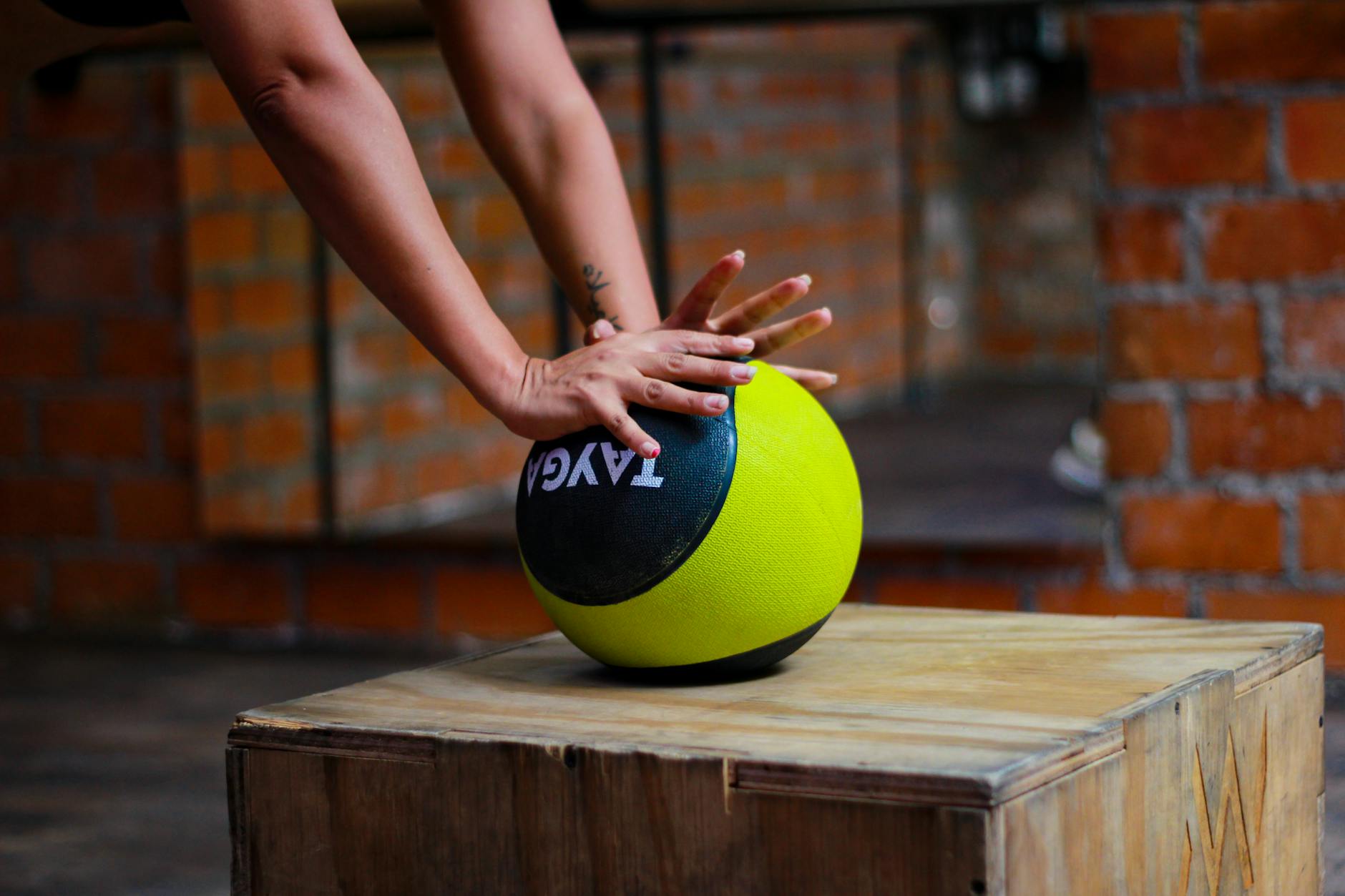
The practicality question is crucial: how does someone concerned about dementia risk begin a high-intensity training regimen? The answer depends on current fitness level and medical status. For generally healthy older adults without recent cardiac events or significant joint problems, beginning with twice-weekly HIIT sessions of 20-30 minutes is feasible. Each session might involve five to eight intervals of high-intensity work (typically 80-90 percent max heart rate) lasting two to four minutes, separated by lower-intensity recovery periods. This approach avoids the common pitfall of overtraining or injury while still delivering the neurological stimulus the research documents.
Comparison matters here: moderate-intensity continuous exercise (like a steady-paced 45-minute walk or bike ride) is easier to sustain, feels less intimidating, and carries lower injury risk. However, it delivers substantially smaller cognitive benefits. HIIT is harder, requires more motivation, and carries a small injury risk if not performed with proper supervision or progression—but the cognitive payoff is considerably larger. For someone genuinely concerned about dementia risk and capable of tolerating intensity, the tradeoff favors HIIT. A practical pathway might involve working with a physical therapist or certified trainer who understands both exercise physiology and the medical needs of older adults to develop a personalized progression, gradually building capacity over four to eight weeks before reaching the intensities documented in research studies.
When HIIT Isn’t the Right Answer—Limitations and Warnings
Not everyone can or should jump into a HIIT program, and ignoring individual circumstances can cause harm rather than benefit. Adults with uncontrolled high blood pressure, unstable angina, severe arthritis, or recent orthopedic surgery need medical clearance and typically need modified approaches that may not reach the intensity thresholds associated with the strongest cognitive benefits. A person who is severely deconditioned—perhaps having been sedentary for years—cannot safely progress to true HIIT without a supervised progression lasting weeks or months. Attempting to do so risks joint injury, cardiac complications, or musculoskeletal damage that could set back fitness and cognitive health for months. Additionally, HIIT’s effectiveness depends on the brain still having substantial cognitive reserve. In advanced dementia where significant neuronal loss has already occurred, the protective and restorative benefits become more limited, though any physical activity remains better than none.
A critical warning: the research showing 30 percent memory improvements, 41-45 percent dementia risk reductions, and enhanced cognitive function comes from studies of people who sustained HIIT over weeks and months. There is no evidence that a few enthusiastic weeks of HIIT followed by years of inactivity provides lasting protection. The brain appears to need ongoing stimulus to maintain these adaptations. Someone might invest effort into an eight-week HIIT program, see cognitive improvements, then assume the benefits are permanent and stop exercising—only to lose those gains. The research also suggests that HIIT alone, while powerful for cognition, is one component of dementia prevention alongside cognitive engagement, quality sleep, social connection, and a healthy diet. Relying solely on high-intensity exercise while neglecting these other factors provides incomplete protection.
Real-World Implementation—A Case Study Approach
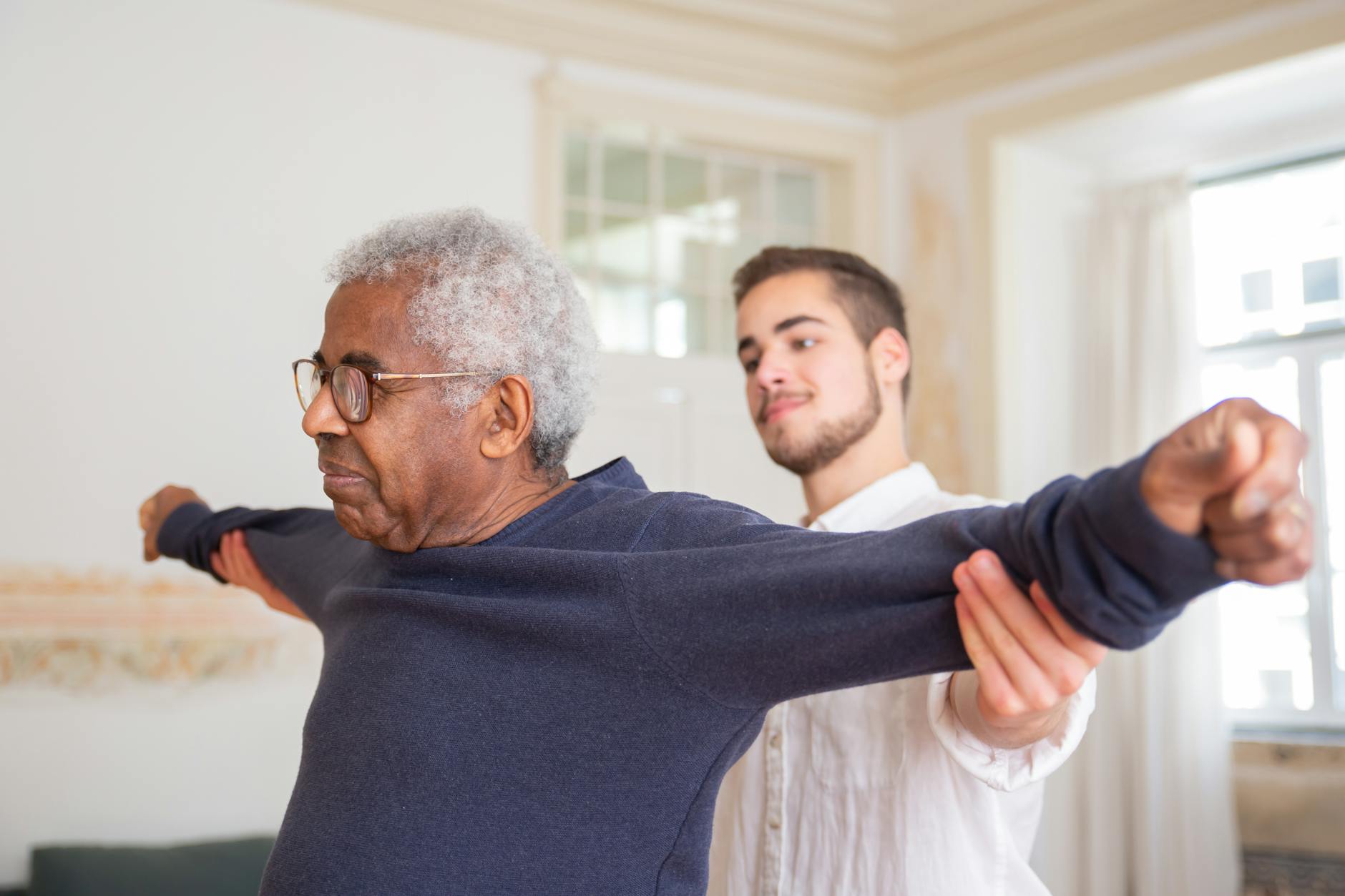
A concrete example illustrates how HIIT translates into lived experience. Consider Margaret, a 72-year-old retiree who noticed she was forgetting names at social gatherings and took longer to find words than she used to. Her doctor mentioned that her cognitive concerns were mild but that early intervention might help. Margaret had been walking 30-40 minutes four days a week—good for cardiovascular health but offering limited cognitive benefits based on the research. With her doctor’s approval, she joined a supervised exercise program at a local gym offering HIIT classes designed for older adults.
Three days a week, she performs eight intervals of 90 seconds of high-intensity work (aiming for 85 percent max heart rate) followed by two minutes of recovery, on a stationary bike or elliptical trainer. The total session is 30 minutes including warm-up and cool-down. After 12 weeks, she reports that her memory feels sharper, particularly for recent conversations and new information. At 24 weeks, she’s noticing quicker thinking and less “brain fog” in afternoon meetings with friends. She maintains this routine because the cognitive improvements feel tangible, and she understands from research discussions with her doctor that consistency matters for ongoing brain protection.
The Broader Implications—Dementia Prevention as a Population-Level Strategy
If HIIT could reduce dementia risk by 41-45 percent and delay onset by even two years, the public health implications are profound. At the population level, a 16-37 percent reduction in dementia prevalence would spare hundreds of thousands of individuals from cognitive decline, reduce caregiver burden, and lower healthcare costs. Yet current practice often treats dementia as inevitable—something to be managed once it appears—rather than as a condition that can be substantially prevented through accessible interventions like HIIT.
The research from Boston University and Johns Hopkins emphasizes that these protection benefits emerge not from elite athletic performance but from sustained physical activity of sufficient intensity, achievable for most healthy older adults with proper supervision and progression. The trajectory of dementia research is shifting from purely pharmaceutical approaches toward lifestyle and preventive strategies. HIIT represents one of the most evidence-backed interventions available, with mechanisms understood at the molecular level (BDNF elevation, glymphatic enhancement) and outcomes measured across multiple cognitive domains. As more older adults understand that dementia risk is not fixed—that the choices they make now about exercise intensity and consistency can measurably alter their cognitive future—we may see broader adoption of HIIT as a standard component of brain health maintenance alongside cardiovascular health and longevity programs.
Conclusion
The evidence supporting high-intensity interval training as an effective dementia-prevention strategy is compelling and growing stronger. Seniors who engage in HIIT show measurable improvements in memory and cognitive function within weeks, reductions in dementia risk of 41-45 percent based on decades of follow-up data, and biological changes in the brain—elevated BDNF and improved waste clearance—that directly counteract the pathological processes of Alzheimer’s disease. The approach is accessible: 20-30 minutes, twice to three times weekly, of high-intensity work within medical and fitness parameters that most healthy older adults can achieve with proper supervision and progression.
If you or someone in your family has concerns about cognitive decline or wants to take an active role in dementia prevention, a conversation with your physician about HIIT may be the practical next step. A physical therapist or certified trainer experienced in older adult fitness can design a safe, supervised program tailored to individual capabilities. The research consistently shows that it’s never too late—starting HIIT in your sixties, seventies, or eighties still provides substantial brain protection. The stakes—maintaining memory, thinking, independence, and quality of life into advanced age—make the effort worthwhile.
You Might Also Like
- Doctors Say high intensity interval training is the Easiest Way to Lower Dementia Risk
- Doctors Say walking 30 minutes daily is the Easiest Way to Lower Dementia Risk
- Doctors Say walking 30 minutes daily is the Easiest Way to Lower Dementia Risk
For more, see NIH MedlinePlus — dementia.