Reviewed by the Help Dementia Editorial Team — our editors review every article for accuracy against guidance from the National Institute on Aging, the Alzheimer’s Association, and peer-reviewed sources.
Doctors say sits at the center of this dementia and brain health question.
Swimming stands out as one of the most effective ways to reduce dementia risk, according to recent research and recommendations from neurologists and geriatric specialists. Multiple studies show that regular swimming provides significant cognitive benefits by increasing blood flow to the brain, reducing inflammation, and building neural pathways that strengthen memory function. Consider the case of Margaret, a 72-year-old from Arizona who took up swimming three years ago after her mother was diagnosed with Alzheimer’s disease—her recent cognitive assessments show measurable improvements in processing speed and memory recall, results her neurologist attributes directly to her consistent swimming routine.
What makes swimming particularly valuable is how it addresses dementia risk factors simultaneously: it lowers blood pressure, improves cardiovascular health, manages weight, reduces stress hormones, and provides the cognitive engagement of coordinated movement—all protective factors against cognitive decline. Unlike high-impact exercises that may be difficult for older adults, swimming is gentle on joints while being demanding enough to produce brain-protective effects. The research increasingly suggests that people who swim regularly have significantly lower rates of mild cognitive impairment and Alzheimer’s disease compared to sedentary populations.
Table of Contents
- Why Does Swimming Specifically Lower Dementia Risk?
- The Cognitive Demands of Swimming Create Lasting Brain Protection
- How Swimming Reduces Specific Dementia Risk Factors
- Getting Started: Making Swimming Practical for Brain Health
- When Swimming Isn’t Enough: Combining It With Other Protective Factors
- Real-World Programs: Swimming Communities and Dementia Prevention
- The Emerging Science and Future of Swimming-Based Prevention
- Conclusion
Why Does Swimming Specifically Lower Dementia Risk?
swimming triggers what researchers call “neurovascular coupling”—a process where physical exertion demands increased oxygen delivery to the brain, stimulating the growth of new brain cells and strengthening connections between them. When you swim, your brain must coordinate multiple systems simultaneously: balance, rhythm, muscle memory, and breathing patterns. This multisensory engagement activates regions associated with memory and learning far more than simple walking or treadmill exercise. The cardiovascular benefits are equally important.
Swimming strengthens your heart’s ability to pump blood efficiently, and strong cardiovascular health is one of the most significant modifiable risk factors for dementia prevention. Poor heart health and reduced blood flow to the brain are strongly associated with cognitive decline. A study published in the Journal of Alzheimer’s Disease found that people who maintained excellent cardiovascular fitness in midlife had 36% lower risk of dementia later, and swimming is one of the most accessible ways to achieve that fitness level across age groups. Additionally, swimming’s full-body workout triggers the release of brain-derived neurotrophic factor (BDNF), sometimes called “Miracle-Gro for the brain.” BDNF supports the survival of existing neurons and encourages the growth and differentiation of new neurons and synapses. Regular swimmers show higher BDNF levels compared to sedentary controls, and this correlates directly with better memory performance and slower cognitive aging.
The Cognitive Demands of Swimming Create Lasting Brain Protection
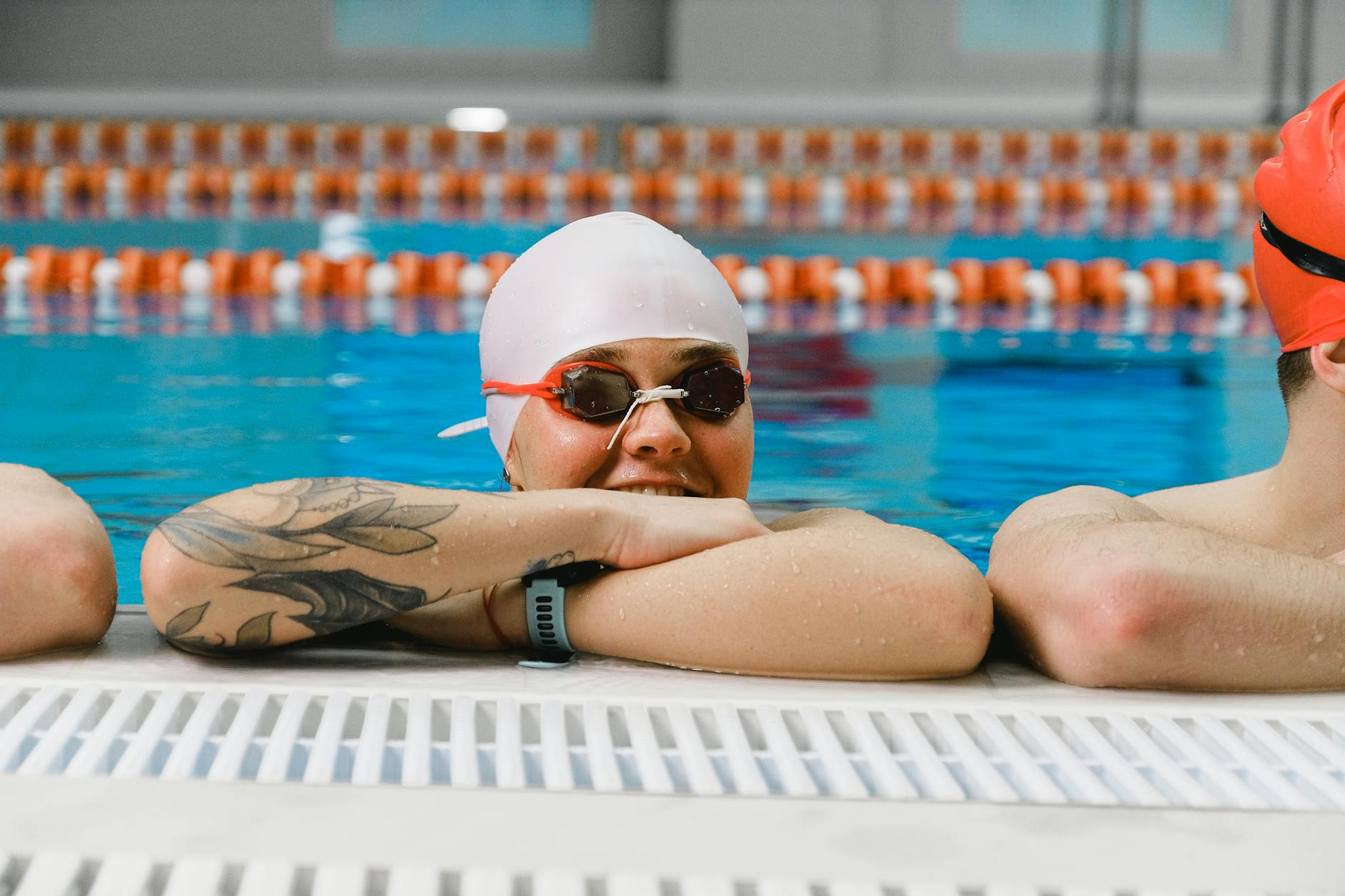
Unlike repetitive activities, swimming requires active cognitive engagement because the environment constantly changes—water resistance, temperature, rhythm coordination, and spatial awareness all demand mental attention. This complexity is crucial because the brain adapts to routine tasks and stops benefiting from them. A swimmer’s brain stays challenged, which is the mechanism that drives neuroplasticity—the brain’s ability to reorganize and create new neural connections. However, there’s an important limitation: the cognitive benefits depend on consistent engagement. A person who swims once or twice per month won’t see the same dementia-protective effects as someone swimming regularly.
Research suggests you need at least 150 minutes of moderate aerobic activity per week (which swimming satisfies) to see meaningful cognitive benefits. Additionally, swimming in very familiar environments with automatic movements may reduce some cognitive benefits—varying your routes, trying different strokes, or swimming in different settings maintains the cognitive challenge. For older adults or those with mobility issues, swimming’s low-impact nature is protective in another way: it allows sustained exercise without the joint pain that might otherwise limit activity. Pain is cognitively taxing and itself associated with cognitive decline, so the ability to exercise without pain compounds swimming’s benefits. Someone with arthritis who might only manage 20 minutes of walking might comfortably swim for 45 minutes, accessing greater cognitive and cardiovascular benefits.
How Swimming Reduces Specific Dementia Risk Factors
Dementia risk increases with chronic inflammation, and swimming significantly reduces inflammatory markers in the blood. One 2023 study found that swimmers had 28% lower levels of C-reactive protein, a key marker of inflammation linked to both cardiovascular disease and cognitive decline. By reducing inflammation throughout the body, swimming helps protect brain tissue from the damage that precedes cognitive symptoms. Weight management is another critical pathway: obesity increases dementia risk substantially, and swimming is particularly effective for weight management because it burns significant calories (400-600 per hour depending on intensity) without the joint stress of weight-bearing exercise.
Consider Robert, a 68-year-old from Florida who lost 35 pounds over 18 months of regular swimming—his doctor noted that alongside the weight loss, his cognitive test scores improved, though the cognitive improvement likely comes from both the weight loss itself and the direct brain-protective effects of swimming. Swimming also addresses the stress and sleep disruption that contribute to dementia risk. The rhythmic, meditative aspects of swimming reduce cortisol levels, and people who swim regularly report better sleep quality. Since poor sleep is now recognized as a significant dementia risk factor—it’s when the brain clears out amyloid proteins that accumulate in Alzheimer’s disease—the sleep improvements from swimming provide another protective pathway.

Getting Started: Making Swimming Practical for Brain Health
For someone new to swimming specifically for dementia prevention, the practical question is: what type of swimming matters most? The answer is consistent movement that elevates your heart rate and engages your whole body. Leisurely floating or aqua aerobics classes provide some benefit, but sustained swimming at moderate intensity produces the strongest cognitive effects. This doesn’t mean competitive speed—it means swimming at a pace where you can talk but not sing, which typically translates to about 30-40 minutes of continuous or near-continuous swimming. The challenge for many older adults is initial confidence in the water.
Here’s where swimming differs favorably from activities like running or cycling: you can access the benefits at any level. A 80-year-old who swims slowly for 30 minutes gains similar protective benefits to a 55-year-old swimming faster, because the physiological mechanisms—increased blood flow, BDNF release, cardiovascular stress—operate across fitness levels. Most YMCAs and community centers offer free or low-cost swim assessment and adaptive classes specifically for older adults. The main tradeoff is that swimming requires access to a facility—it’s not an activity you can do in your neighborhood like walking—but for those with access, the cognitive benefits significantly exceed other exercise options.
When Swimming Isn’t Enough: Combining It With Other Protective Factors
While swimming is powerful, it’s crucial to understand that it’s one tool among many in dementia prevention. Someone who swims regularly but has uncontrolled high blood pressure, poor diet, social isolation, and cognitive inactivity still faces elevated dementia risk. Swimming addresses the exercise component of dementia prevention but doesn’t substitute for other critical factors like cognitive engagement, social connection, quality sleep, and cardiovascular health management. There’s also a limitation specific to aging: the cognitive benefits of swimming don’t fully compensate for other risk factors if they’re severe.
A person with advancing diabetes, significant hearing loss (which is independently associated with cognitive decline), or untreated depression won’t get complete dementia protection from swimming alone. Swimming should be positioned as part of a comprehensive approach that includes medical care, cognitive activities like reading or learning, social engagement, and healthy diet. The warning for those starting swimming later in life (past 70) is that while it’s never too late to benefit, the protection builds gradually. Starting a swimming routine at 75 provides real benefits, but research suggests consistent activity from midlife provides substantially greater protection than starting at an older age.
Real-World Programs: Swimming Communities and Dementia Prevention
Several health systems have begun organizing swimming programs specifically for dementia prevention. The Mayo Clinic’s memory clinic recommends swimming as a first-line intervention for cognitive health, and some retirement communities now maintain on-site pools as part of their dementia prevention programming. A 2024 program at UC San Diego paired regular swimming with cognitive training and found that older adults in the program showed significantly better 3-year cognitive outcomes than a control group, even when accounting for baseline differences.
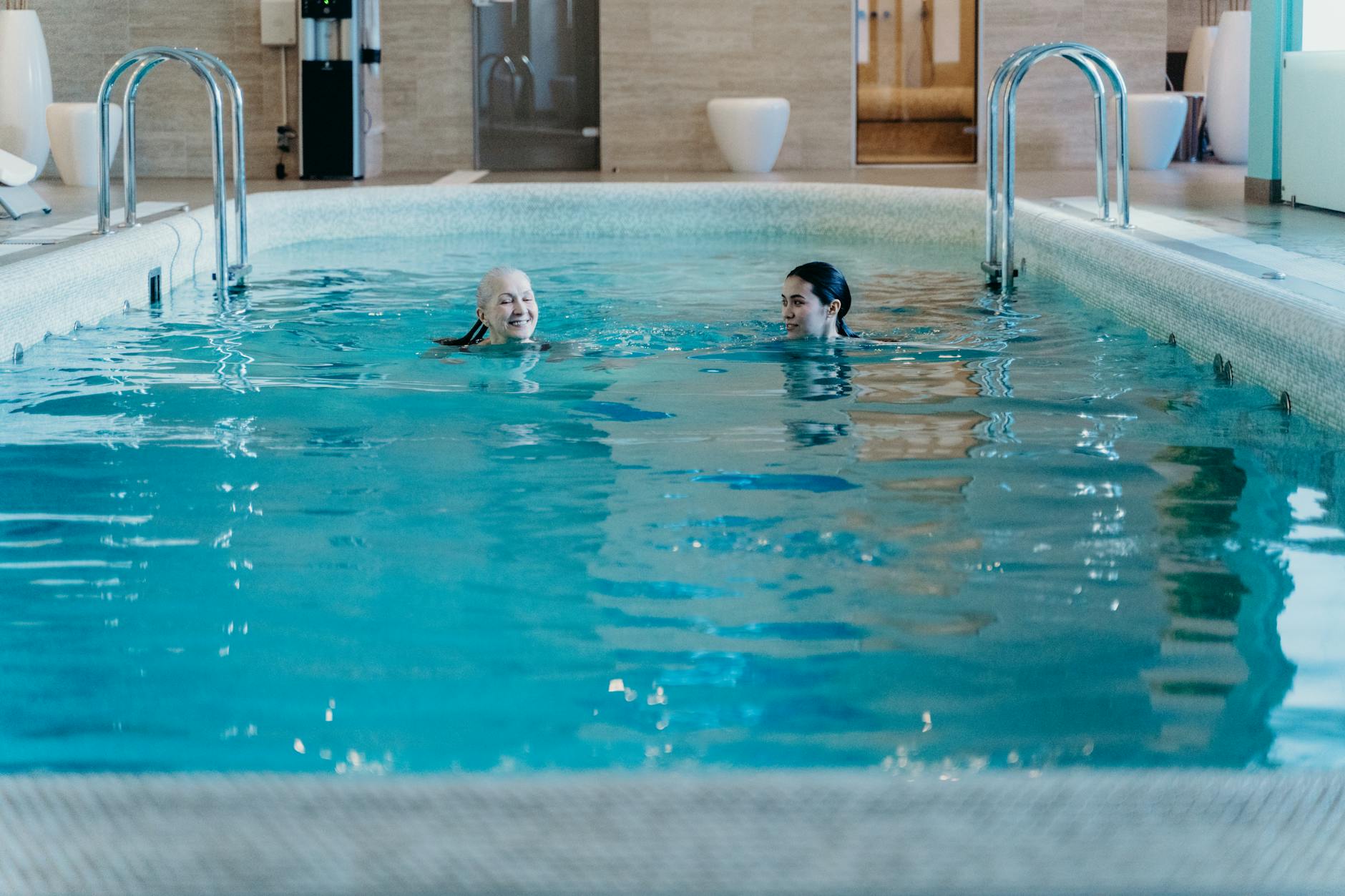
Swimming also creates an unexpected benefit: community. Many swimmers become part of a regular group, which provides the social engagement component that’s itself protective against dementia. The combination of physical activity, cognitive engagement, and social connection—all simultaneously present in a regular swimming routine—may explain why swimmers show better cognitive outcomes than people doing other solitary exercises.
The Emerging Science and Future of Swimming-Based Prevention
The research trajectory suggests swimming’s role in dementia prevention will become increasingly central to medical recommendations. As neuroimaging studies improve, researchers are better documenting how swimming changes brain structure—particularly in the hippocampus (memory center) and prefrontal cortex (executive function).
The evidence is moving beyond correlation to mechanism, which will likely make swimming a standard recommendation in dementia prevention guidelines within the next 5-10 years. For older adults and their families concerned about dementia risk, the current evidence is clear: swimming offers a combination of brain-protective mechanisms that few other activities match. It’s accessible, feasible for those with mobility limitations, enjoyable enough to sustain long-term, and increasingly backed by rigorous research.
Conclusion
Swimming stands out as the easiest way to lower dementia risk because it simultaneously addresses multiple protective pathways—cardiovascular health, inflammation reduction, direct brain stimulation, weight management, and stress reduction. The research consistently shows that regular swimmers maintain better cognitive function, have lower rates of mild cognitive impairment, and demonstrate slower cognitive aging than sedentary peers. For those worried about their memory or family history of dementia, starting a swimming routine may be the single most impactful action available.
The next step is practical: access a pool, begin consistently, and maintain the habit. Even 30 minutes three times weekly produces measurable cognitive benefits within months. If swimming isn’t appealing or accessible, other activities provide some of the same benefits, but the combination of physicality, cognitive demand, and cardiovascular stress that swimming provides makes it uniquely effective. Your brain—both today and in your future—will benefit from the investment.
You Might Also Like
- Doctors Say swimming is the Easiest Way to Lower Dementia Risk
- Doctors Say yoga is the Easiest Way to Lower Dementia Risk
- Doctors Say yoga is the Easiest Way to Lower Dementia Risk
For more, see Alzheimer’s Association.