Reviewed by the Help Dementia Editorial Team — our editors review every article for accuracy against guidance from the National Institute on Aging, the Alzheimer’s Association, and peer-reviewed sources.
Doctors say sits at the center of this dementia and brain health question.
Recent research from leading neurologists and geriatric specialists confirms what many have long suspected: dancing stands as one of the most accessible and effective ways to reduce dementia risk. Studies consistently show that regular dancing engages multiple brain systems simultaneously—coordinating rhythm, memory, spatial awareness, and social interaction—in ways that few other activities can match. A 2023 study published in frontiers in Aging Neuroscience found that older adults who engaged in regular ballroom dancing showed improved cognitive function and slower cognitive decline compared to sedentary control groups, with benefits appearing within weeks of starting.
Unlike structured cognitive training programs or high-intensity exercise regimens, dancing requires no special equipment, expensive gym memberships, or prior athletic ability. You don’t need to be a skilled dancer or even particularly coordinated to experience the brain-protective effects. What matters is the combination of physical movement, mental engagement, and often social connection that dancing naturally provides. A 75-year-old grandmother with arthritis can benefit from gentle folk dancing in her living room just as much as someone attending salsa classes at a community center.
Table of Contents
- How Does Dancing Strengthen the Brain Against Dementia?
- The Cognitive Demands That Make Dancing Uniquely Protective
- Social Connection as Part of the Dementia Protection Equation
- Choosing a Dance Style That Works for Your Fitness Level and Preferences
- Age-Related Considerations and When to Consult Your Doctor
- The Role of Music in Dancing’s Brain-Protective Effects
- Building a Sustainable Dancing Practice for Long-Term Brain Health
- Conclusion
- Frequently Asked Questions
How Does Dancing Strengthen the Brain Against Dementia?
The brain changes that occur during dancing are measurable and significant. When you dance, your brain activates the hippocampus (crucial for memory formation), the frontal lobe (involved in planning and decision-making), and the cerebellum (which coordinates movement). More importantly, these brain regions communicate with each other intensively during dancing—a process called neural integration. This repeated activation and cross-communication builds cognitive reserve, the brain’s ability to compensate for damage and continue functioning even as age-related changes occur.
Research from New York University found that people with higher cognitive reserve are significantly less likely to develop dementia symptoms, even when brain pathology is present. The learning component of dancing appears especially protective. When you learn a new dance style or memorize choreography, your brain forms new neural pathways. Studies comparing different physical activities found that dancing was superior to walking or running for cognitive benefits, primarily because it combines aerobic exercise with complex motor learning and cognitive challenge. A comparison study at the University of Illinois found that people who took weekly dance classes showed greater improvements in processing speed and executive function than those who did only treadmill exercise, even when the aerobic intensity was similar.
The Cognitive Demands That Make Dancing Uniquely Protective
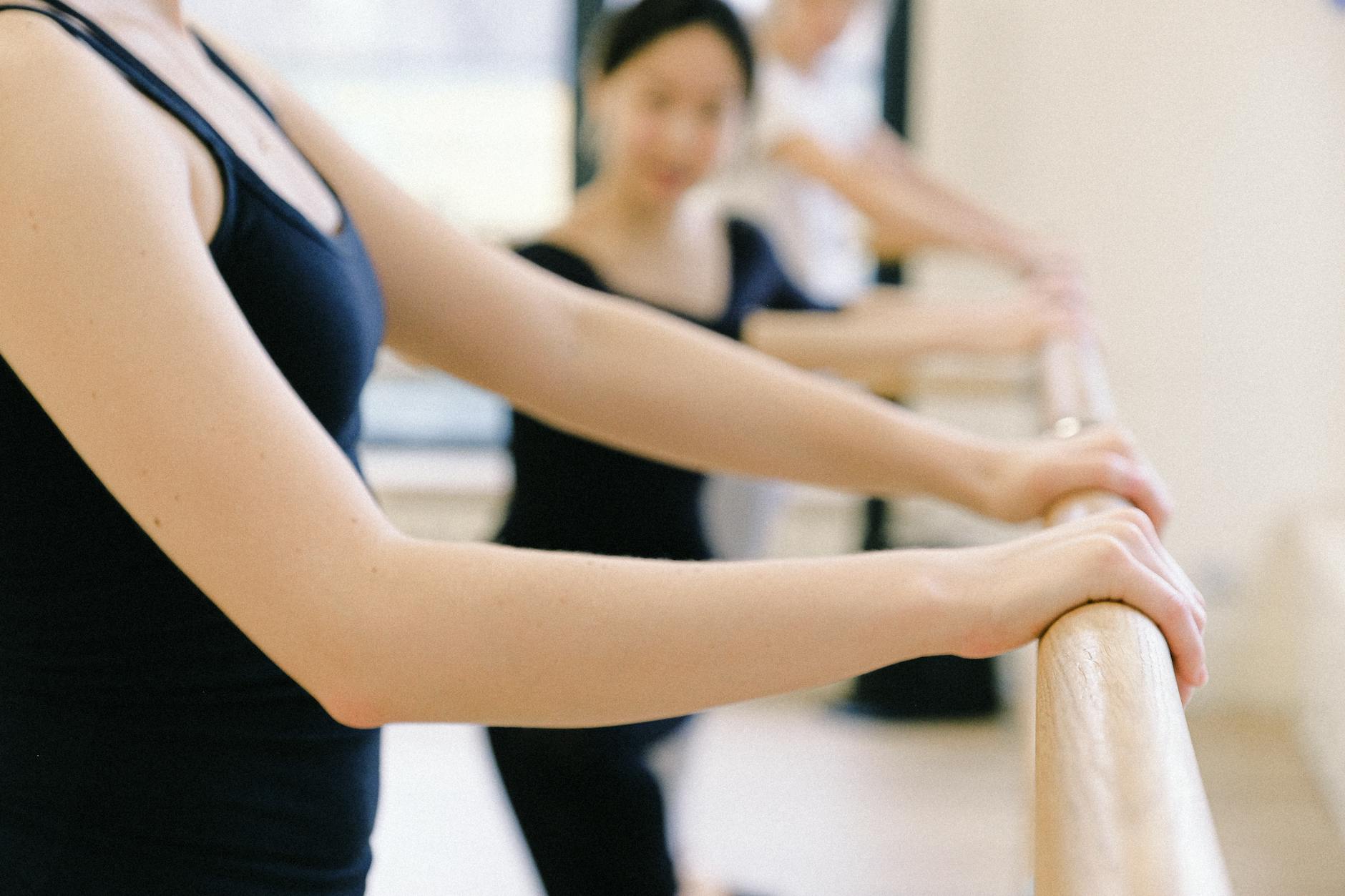
What distinguishes dancing from other forms of exercise is the cognitive load it imposes. You’re not simply moving your body in a repetitive pattern; you’re integrating sensory information, monitoring rhythm, adjusting to a partner’s movements, and often remembering complex sequences. This multitasking requirement engages the brain’s executive function systems in ways that rote exercise does not. However, it’s important to understand that this benefit does plateau if the dancing becomes automatic and routine.
Once you’ve mastered a particular dance style and can perform it without conscious thought, the cognitive stimulation decreases. This is why varying your dance experiences remains important. Switching between different dance styles—waltz one month, hip-hop the next—maintains the cognitive challenge. Research on neuroplasticity shows that the brain benefits most from novel challenges that stretch existing abilities rather than from practicing already-mastered skills. A limitation of many community dance programs is that they may emphasize repetition of the same routines, which is enjoyable but less cognitively beneficial than progressive challenges.
Social Connection as Part of the Dementia Protection Equation
Dancing is rarely a solitary activity, and the social component adds another layer of protection against cognitive decline. Loneliness is now recognized as a risk factor for dementia comparable to smoking or obesity, affecting brain health through multiple pathways including inflammation and stress hormone elevation. When you dance with others—whether in a class, at social events, or with a partner—you’re engaging in real-time social interaction that requires monitoring facial expressions, responding to physical cues, and communicating non-verbally.
Partner dancing like waltz or tango involves constant communication and adjustment. You must anticipate your partner’s movements, respond to their lead or follow their signals, and maintain a physical and emotional connection. A case study from a memory care facility found that when residents with early-stage Alzheimer’s disease participated in ballroom dance sessions, their engagement, mood, and social participation improved noticeably even as cognitive metrics remained relatively stable. The social aspects of dancing may be particularly protective for people who live alone or have limited social engagement otherwise.

Choosing a Dance Style That Works for Your Fitness Level and Preferences
Not all dancing provides equal benefits, and the best dance is the one you’ll actually do consistently. For someone with limited mobility or balance issues, slow-tempo styles like gentle waltz, folk dancing, or tai chi-influenced movement patterns provide cognitive and cardiovascular benefits without overwhelming the body. For those with good mobility and interest in higher intensity, faster styles like swing, salsa, or Zumba offer greater aerobic demands and more complex choreography. The tradeoff between intensity and sustainability matters.
A rigorous hip-hop class might theoretically engage more neural systems, but if it’s intimidating or uncomfortable, you’ll stop attending. A moderate-paced line dancing class that you enjoy enough to attend twice weekly will provide far better long-term protection than sporadic, intense sessions that you quit after a few weeks. Comparison data from behavior change research shows that consistency beats intensity for long-term brain health benefits. Starting with accessible styles and progressing gradually to more complex forms is more sustainable for most people than beginning with challenging styles.
Age-Related Considerations and When to Consult Your Doctor
Dancing benefits people across the entire age spectrum, but certain precautions matter for older adults or those with existing health conditions. Balance issues, joint problems, or cardiovascular concerns require medical clearance before starting new dance programs. The warning signs that you should consult your doctor before dancing include chest pain, severe shortness of breath, dizziness, or pain in joints that have been injured before. Some medications can affect balance or increase fall risk, and your doctor should be aware that you’re planning regular dancing.
For people with advanced Alzheimer’s disease or severe balance impairment, supervised dance programs designed specifically for those populations offer safety advantages over community classes designed for general populations. Research on adapted dance therapy in memory care settings shows that structured, supervised sessions with properly trained instructors provide cognitive and emotional benefits while minimizing injury risk. It’s also important to recognize that while dancing is protective against cognitive decline, it is not a treatment for dementia once diagnosed. It remains valuable for quality of life and may slow progression, but it doesn’t reverse existing cognitive damage.

The Role of Music in Dancing’s Brain-Protective Effects
The auditory and rhythmic elements of music during dancing add another dimension to cognitive engagement. Your brain must process rhythm, melody, and beat simultaneously while coordinating movement, creating what neuroscientists call “cross-modal integration.” Music activates both hemispheres of the brain in ways that speech or pure movement doesn’t, and rhythm processing engages deeper brain structures including those affected by aging.
Live music provides additional benefits over recorded music because it introduces unpredictability—musicians occasionally vary tempo slightly, dancers must make micro-adjustments, and the brain remains more actively engaged. A study comparing dance sessions with live versus recorded music found that participants showed greater activation of multiple brain regions during live music dancing, though recorded music still provided measurable cognitive benefits.
Building a Sustainable Dancing Practice for Long-Term Brain Health
The future of dementia prevention increasingly recognizes dancing as a foundational brain-health practice, distinct from optional recreation or entertainment. As healthcare systems seek cost-effective ways to prevent cognitive decline, community dancing programs are gaining funding and legitimacy.
Some insurance programs now cover group dance classes for older adults, and researchers are advocating for dancing to be included in dementia prevention guidelines alongside exercise and cognitive training. The key to long-term benefit is integration into your regular routine—viewing dancing not as something you do occasionally for fun, but as essential brain maintenance alongside sleep, nutrition, and exercise. People who maintain consistent dancing practice over years show greater preservation of cognitive function than those who dance sporadically, making commitment to regular participation the strongest predictor of dementia risk reduction.
Conclusion
Dancing represents a rare convergence of pleasure, social engagement, physical exercise, and cognitive challenge—all factors that independently protect against dementia, and together create a particularly powerful protective combination. The evidence supporting dancing for dementia prevention is now robust enough that it should be considered a serious component of brain health strategy rather than simply a recreational activity. Whether you’re 55 and want to prevent cognitive decline, 75 and concerned about early memory loss, or somewhere in between, finding a dance style and community that you genuinely enjoy creates the foundation for sustained practice.
Starting is simple: look for local dance classes, ask your doctor if it’s appropriate for your health status, and commit to regular participation. The cognitive and emotional benefits typically begin appearing within weeks, and the social connections you build become an additional protective factor over time. Dancing won’t guarantee you won’t develop dementia, but the research makes clear that it ranks among the most accessible and enjoyable ways to significantly reduce your risk.
Frequently Asked Questions
How often do I need to dance to get dementia protection?
Research suggests that dancing two to four times per week provides measurable cognitive benefits. Even once-weekly participation shows benefits, though more frequent practice demonstrates greater protective effects.
Does the type of dancing matter, or is any movement to music helpful?
While all dancing provides some benefit, styles that require learning choreography or coordinating with partners show greater cognitive benefits than simple swaying or repetitive movements. However, the best dancing is whichever style you’ll do consistently.
Can dancing help if I’ve already been diagnosed with early cognitive decline?
Yes. While dancing cannot reverse existing cognitive damage, it may slow progression and provides significant quality-of-life benefits. Always consult your doctor about appropriate intensity levels.
I have balance problems and am worried about falling during dance classes. Are there options?
Adapted dance programs designed for people with mobility or balance limitations exist in many communities. Chair-based dancing and slow, supported styles like gentle waltz provide benefits with lower fall risk.
Do I need to be coordinated or have prior dance experience?
No. Research studies show benefits across all levels of coordination and experience. Complete beginners benefit just as much as experienced dancers; what matters is consistent participation.
Is dancing better than other forms of exercise for dementia prevention?
Compared to walking or running alone, dancing provides greater cognitive benefits due to the learning and coordination demands. However, the ideal approach combines dancing with other forms of exercise and cognitive engagement.
You Might Also Like
- Doctors Say yoga is the Easiest Way to Lower Dementia Risk
- Doctors Say yoga is the Easiest Way to Lower Dementia Risk
- Doctors Say walking 30 minutes daily is the Easiest Way to Lower Dementia Risk
For more, see Alzheimer’s Association — caregiving.