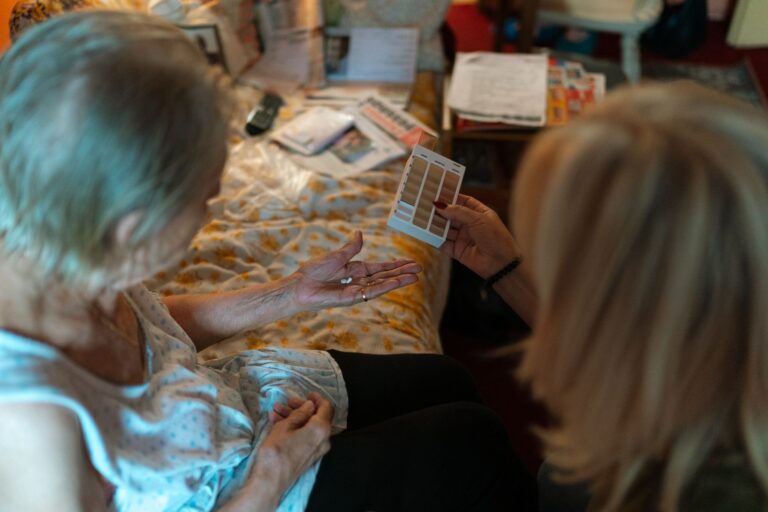
When someone with dementia refuses care—whether bathing, medication, medical appointments, or personal hygiene—the refusal often stems from fear, confusion, or a loss of control rather than stubbornness. The person may not understand why a caregiver is asking them to bathe, may feel threatened by intimate touch, or may have forgotten they agreed to the appointment hours earlier. Understanding this distinction transforms how you respond. Instead of viewing refusal as defiance to overcome, approach it as a communication problem to solve: the person is telling you something is wrong—either with their perception of the situation, their emotional state, or the way you’re presenting the request.
Your first strategy is to step back and assess what’s triggering the refusal. A person refusing a shower might fear slipping on wet tile, losing their dignity, or the sensation of water. Someone refusing medication might not remember they’re ill, might distrust the pill, or might have experienced a bad reaction previously. A person refusing a doctor’s visit might be afraid of bad news, confused about why they need to go, or simply overwhelmed by the car ride and unfamiliar office. Identifying the root cause—through observation, questioning calm family members, or trial and error—gives you tools to work with instead of against the person’s resistance.
Table of Contents
- Why Dementia Causes Care Refusal
- How Refusal Patterns Vary by Dementia Stage
- Emotional and Behavioral Roots of Resistance
- Practical Techniques to Reduce Refusal
- Dealing with Escalation and Aggressive Refusal
- Medical Necessity vs. Dignity
- Building a Care Relationship That Reduces Refusal
- Frequently Asked Questions
Why Dementia Causes Care Refusal
dementia disrupts the brain’s ability to process and accept new information, even when that information involves care you know they need. The person experiences each request almost as a first-time encounter: they don’t retain the context of a conversation from an hour ago, so asking them again to bathe feels like a sudden, unexplained intrusion rather than a repeat of something they agreed to. This is why repeating your reasoning, arguing, or explaining rarely works—the information doesn’t stick long enough to persuade them. Beyond memory loss, dementia damages judgment and self-awareness. A person may genuinely not understand they need a bath, that their wounds require dressing, or that their blood sugar medication keeps them safe.
They may also experience a loss of what neurologists call “insight”—the ability to recognize their own limitations or decline. This means that from their perspective, refusing care makes perfect sense: they don’t feel sick, they don’t see why you’re interfering, and your requests feel arbitrary or threatening. Additionally, the disease often heightens fear and suspicion. The person’s damaged reasoning creates a narrative: “This stranger is trying to take my clothes off,” or “They’re trying to poison me with this pill.” No amount of reassurance based on facts will override a belief rooted in confusion and fear. Some people with advanced dementia develop what’s called “sundowing”—a sharp increase in confusion, agitation, and refusal in the late afternoon or evening. Understanding these biological shifts helps you plan care during the person’s clearest, most cooperative hours.
How Refusal Patterns Vary by Dementia Stage
In early-stage dementia, refusal often looks like denial or irritability. The person may refuse care because they don’t believe they need it, and they may be aware enough to feel insulted by the suggestion that they can’t bathe themselves. They might say, “I just took a shower yesterday” (when it was three days ago), or “I don’t need a doctor—there’s nothing wrong with me.” At this stage, refusal is often negotiable: you can sometimes talk them through it, remind them of health goals that matter to them, or compromise on timing and method. In middle-stage dementia, refusal becomes less about denial and more about confusion and fear. The person may not understand what you’re asking, may feel threatened by physical contact, or may accuse you of trying to harm them. They may refuse repeatedly throughout the day, forget the refusal minutes later, and refuse again when you try once more. This repetitive cycle is exhausting for caregivers, but it’s important to know that the person is not being deliberately difficult—each refusal feels fresh and genuine to them.
One warning: some people with middle-stage dementia develop what’s called “catastrophic reactions”—extreme emotional responses (screaming, aggression, or panic) that seem disproportionate to the trigger. A simple request to bathe can spiral into a 20-minute crisis if you push too hard. In late-stage dementia, the person may be largely nonverbal or unable to participate in conversations about care. Refusal at this stage is often nonverbal: pulling away, stiffening the body, making distressed sounds, or becoming rigid when you approach. Caregivers often struggle because there’s no verbal way to understand what’s wrong or to negotiate. You’re essentially working with behavioral cues and trial-and-error adjustments. One limitation of late-stage care is that some refusals cannot be overridden without physical force, and using force is both harmful and inhumane—even when medically necessary care goes undone as a result.
Emotional and Behavioral Roots of Resistance
Dementia erodes the person’s sense of safety and control. Bathing, toileting, and dressing are inherently vulnerable activities; even cognitively healthy people can feel uncomfortable with a stranger assisting. For someone with dementia, the experience is worse: they may not recognize the caregiver, may feel their body is being handled without consent, and may panic because they don’t understand why it’s happening. A person who was modest before the illness often becomes more so, and a person who was private becomes more guarded. This means that the physical act of being undressed or touched, combined with confusion about why it’s happening, creates a perfect storm of distress.
Many people with dementia also experience what’s called “shadowing”—a constant anxiety about losing you, the person they trust most. If you leave to bathe or use the bathroom, they may panic, follow you, or become inconsolable. This fear can then block cooperation with care: the person refuses to let you help them bathe because they fear you’ll disappear during the process, or they refuse to go to a doctor’s appointment because they’re terrified of being separated from you in an unfamiliar place. Medication refusal deserves its own mention: some people with dementia swallow pills normally but refuse others, sometimes for clear reasons (a pill tastes terrible or causes nausea) and sometimes for reasons only they understand. One example is a person who had a bad experience with anesthesia before their dementia and now refuses all medications out of association, even though the pills have nothing to do with surgery. Their fear is real and rooted, even if the connection is confused.
Practical Techniques to Reduce Refusal
Timing is one of your most powerful tools. Most people with dementia have “good hours”—usually morning, and often shortly after breakfast. Plan major care tasks (bathing, doctor visits, medical procedures) during these windows. If someone consistently refuses care at 6 p.m. but cooperates at 10 a.m., do the care at 10 a.m., not because the person will eventually agree in the evening, but because the care is less distressing when their brain is functioning better. This requires flexibility in your schedule, but it’s often more effective than any persuasion technique. Autonomy and choice are also critical. Instead of announcing “It’s time for your bath,” ask: “Would you like a bath or a shower?” or “Would you rather bathe now or after lunch?” These choices are often illusory—the care will happen either way—but they give the person a sense of control that can reduce resistance.
Comparative research on dementia care shows that people offered choices comply more readily than those told what to do, even when the choice is limited. Another technique is to involve them in the process: “Can you help me get your clothes ready?” or “Can you hold this washcloth?” Activity-based requests feel less like something being done to them and more like something they’re helping with. Simplifying your language is equally important. Instead of “You need to take your medication because your blood pressure is elevated,” say: “Here’s your pill. Swallow it with water.” Long explanations, especially those involving medical concepts, overwhelm someone with dementia. They won’t retain or understand them, and the effort to explain often increases frustration on both sides. Short, direct, concrete language works better. One comparison: a caregiver who spends five minutes explaining why a bath is necessary will likely get more refusal than one who simply says, “Bath time,” and begins the process with a calm, matter-of-fact tone.
Dealing with Escalation and Aggressive Refusal
When someone with dementia refuses care violently—hitting, kicking, or screaming—many caregivers respond by trying harder or raising their own voice. This almost always makes things worse. The person’s brain is in a state of fear or rage, and reasoning, bargaining, or insisting will not reach them. Instead, the evidence-based approach is to pause, step back, and disengage. Leave the room if safe to do so. Wait 15 to 30 minutes. Let their nervous system calm down. Often, they will forget the conflict entirely and be cooperative when you try again later.
If the person is a danger to themselves or you—truly at risk of serious injury—you may need to call for backup: another caregiver, a family member, or in rare cases, emergency services. This is a hard boundary many caregivers avoid, but it’s important to set it before a crisis happens. One warning: trying to force care on someone who is violently refusing is not only inhumane, it often causes injury to both the person and the caregiver. A confused person with dementia can have surprising strength, and a struggle over bathing or medication can end with someone falling, being struck, or becoming so traumatized that future care is even harder. Some facilities and experienced caregivers use medication to reduce agitation—typically antipsychotics or anti-anxiety drugs—but these come with serious risks, especially in older adults. Overuse of these medications increases stroke, falls, and mortality in people with dementia. They’re a last resort, not a first response. A more sustainable approach is environmental: reduce noise and visual clutter, dim bright lights, play calming music, and maintain a calm tone yourself. The person mirrors your energy; if you’re frustrated or hurried, they become more anxious.
Medical Necessity vs. Dignity
Sometimes a person with dementia refuses care that is medically necessary: wound dressing for a pressure ulcer, insulin injections for diabetes, or physical therapy after a fall. Caregivers face a genuine ethical dilemma: do you override the person’s refusal to keep them medically safe, or do you honor their autonomy even if it worsens their condition? In early-stage dementia, when the person may have capacity in certain areas, the legal and ethical answer is usually to respect their wishes, even if you disagree with the decision. If they refuse a specific medication or procedure, you document the refusal and discuss it with their healthcare provider and any legal guardian or power of attorney.
In advanced dementia, when the person has little to no capacity, the situation is murkier. Family members and healthcare providers must make decisions based on the person’s best interests, prior wishes (if documented), and the likelihood that the care will actually extend quality life or just prolong suffering. One example: a person with advanced dementia and a terminal illness may refuse eating and drinking. Forcing nutrition through feeding tubes or IVs may keep them alive longer but can increase discomfort and complications; sometimes, honoring the refusal and focusing on comfort is the more humane choice.
Building a Care Relationship That Reduces Refusal
The relationship between you and the person with dementia is your biggest asset in reducing refusal. People with dementia retain emotional memory long after they lose factual memory—they may not remember your name or relationship, but they remember how you made them feel. A caregiver who approaches them with patience, warmth, and respect will get better cooperation than one who is hurried or frustrated, even if both use the same techniques. This means taking time to connect before requesting care. Spend a few minutes talking about something they enjoy, holding their hand, or sitting quietly with them. Some people respond well to music, pets, or looking at old photographs before care tasks.
These moments build trust and calm the nervous system, making the person more cooperative when the actual care begins. One concrete example: a woman who consistently refused bathing cooperated much better after her caregiver began playing her favorite 1960s music in the bathroom and letting her hold her cat during the process. The cat and music didn’t change the medical need for the bath, but they transformed her emotional experience of it. A second example: a man who was aggressive with male caregivers became cooperative when his daughter supervised the care and gently explained (in short, simple sentences) what was happening step by step. The presence of a trusted family member and the narrative structure—”Now we’re washing your arms. Now your back”—reduced his fear and refusal significantly.
Frequently Asked Questions
What should I do if someone with dementia refuses to take medication?
First, identify why: Do they not remember they’re supposed to take it? Do they fear the pill or remember a bad reaction? Is the timing wrong? Try giving medication at their best time of day, crushing it into applesauce if allowed, or switching to a liquid form. Use simple language: “Here’s your pill” rather than explaining why they need it. If they refuse consistently, contact their doctor—sometimes the medication can be changed, delayed, or skipped if the benefit doesn’t justify the distress.
How do I bathe someone with dementia who is afraid of water?
Start by respecting the fear rather than arguing against it. Try a shower instead of a tub, a sponge bath instead of full immersion, or a bed bath if needed. Keep the bathroom warm, play calming music, and let them wear a shirt during the bath if that feels safer. Use warm water, not hot, and avoid pouring water over their face. Some people are less fearful if they control the washcloth or if a trusted person (like a family member) is present.
Can I force someone with dementia to accept care?
Legally and ethically, it depends on their capacity and stage of disease. In early stages, if they have decision-making capacity, you generally cannot force care. In advanced dementia, caregivers and healthcare providers must weigh the person’s autonomy against medical necessity and quality of life. Physical force should be a last resort and only used when absolutely necessary to prevent serious harm, never for convenience or efficiency.
Why does the same person accept care some days and refuse it others?
Dementia severity fluctuates with sleep, infection, medication side effects, and time of day. Someone who cooperates in the morning may refuse at night due to sundowning. They may refuse on days when they’re in pain or fighting an undiagnosed infection (UTIs are common in older adults and cause behavioral changes). Track patterns to identify the best times and conditions for care.
What if refusal leads to serious health problems, like not bathing a wound?
Contact their healthcare provider, document the refusal, and explore alternatives. Can the wound be dressed differently? Can care happen at a different time or with a different person? If the person lacks capacity, involve their healthcare proxy or legal guardian. In some cases, wound care may need to happen at a clinic or hospital where professional staff can manage the situation.