A landmark research initiative across multiple countries has identified 12 controllable risk factors that collectively account for a substantial portion of dementia cases worldwide. These factors—ranging from cardiovascular health and hearing loss to cognitive engagement and sleep quality—represent modifiable aspects of daily life that individuals and healthcare systems can target to reduce dementia risk. Unlike genetic predisposition, which remains largely fixed, these 12 factors offer concrete avenues for prevention at various life stages, from childhood education through older age.
The research reveals that dementia is not an inevitable consequence of aging. A person in their 60s who manages blood pressure, maintains cognitive engagement, sustains social connections, and stays physically active faces significantly different risk than someone who isolates socially, skips exercise, and allows chronic conditions to remain untreated. Consider a 55-year-old who begins strength training three times weekly, joins a community group, and commits to learning a new skill—each of these choices directly influences their neurological trajectory over the next two decades.
Table of Contents
- What Are the 12 Controllable Risk Factors for Dementia?
- How Cardiovascular Health Directly Influences Brain Function
- Cognitive Engagement and Mental Reserve
- Practical Implementation of Prevention Strategies
- Barriers to Implementation and Regional Variation
- Hearing Loss as a Dementia Risk Factor
- Sleep, Inflammation, and Cumulative Risk
- Frequently Asked Questions
What Are the 12 Controllable Risk Factors for Dementia?
The 12 modifiable risk factors span three life phases and address both lifestyle habits and medical management. During childhood and early adulthood, the research emphasizes cognitive engagement and educational opportunities as foundational. In midlife, cardiovascular and metabolic factors become critical—blood pressure control, weight management, and diabetes prevention emerge as major intervention points. In later life, cognitive stimulation, hearing correction, social engagement, and depression management take on increased importance.
Each factor operates through distinct biological mechanisms. Physical activity strengthens cardiovascular function and promotes neuroplasticity—the brain’s ability to form new neural connections. Social engagement activates multiple cognitive domains simultaneously and buffers against depression, which independently damages hippocampal neurons crucial for memory formation. Hearing loss, often overlooked, forces cognitive overload as the brain works harder to process degraded audio signals, depleting cognitive reserve. A person who ignores progressive hearing loss and relies on lip-reading and repetition requests is working their brain harder just to maintain basic conversation, leaving less reserve for other cognitive challenges.
How Cardiovascular Health Directly Influences Brain Function
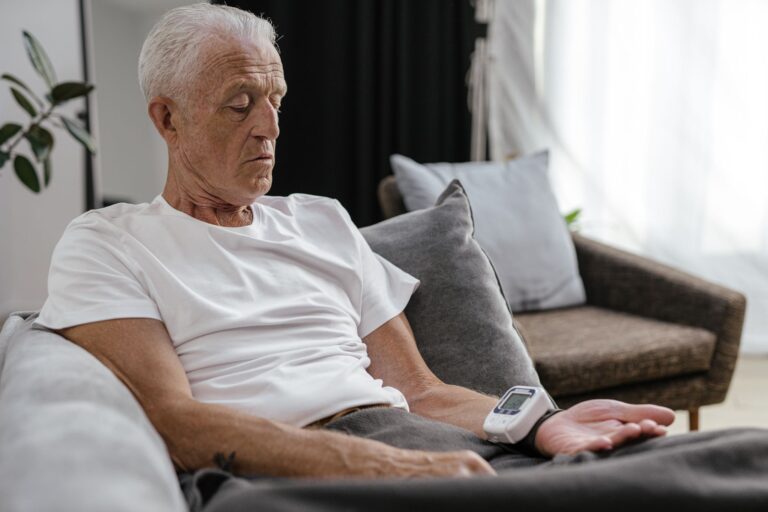
Cardiovascular disease and dementia share overlapping mechanisms. Hypertension damages the small blood vessels that supply the brain, leading to vascular dementia, which accounts for 10 to 20 percent of dementia cases. Atherosclerosis—the buildup of plaques in arteries—reduces blood flow to the brain even before causing noticeable heart disease. Many people with stable cardiac function still have compromised cerebral blood flow, a condition that may accelerate cognitive decline without triggering obvious symptoms.
The challenge is that blood pressure damage occurs silently. A 50-year-old with readings consistently at 140/90 millimeters of mercury experiences measurable vascular changes in the brain—narrowing of capillaries, stiffening of arterial walls—years before cognitive symptoms emerge. managing blood pressure to recommended levels (below 130/80) reduces dementia risk, but the benefit only accrues over years of sustained control, not from weeks of medication adherence. This creates a motivation problem: the reward for good blood pressure management is the *absence* of disease 15 years later, a distant and difficult incentive to maintain today.
Cognitive Engagement and Mental Reserve
Cognitive reserve—the brain’s capacity to tolerate pathological changes—develops through decades of mentally demanding activity. A person with high cognitive reserve may harbor significant Alzheimer’s pathology (amyloid plaques and tau tangles) without expressing dementia symptoms, because their brain has built redundant connections and flexible thinking patterns. Low cognitive reserve means the same pathology causes noticeable memory loss and confusion.
Learning languages, musical instruments, or new professional skills late in life builds reserve, but the effect depends on engagement difficulty. Doing crossword puzzles at the same difficulty level every day for years produces minimal cognitive gain; challenging yourself with progressively harder puzzles, new puzzle types, or entirely new skill domains generates stronger protection. A 70-year-old who has done the same job for 40 years is at higher risk than one who transitioned to unfamiliar work or pursued active learning. This does not mean casual hobbies are worthless—social interaction while gardening or birdwatching provides combined cognitive and social benefit—but the brain responds most powerfully to genuine novelty and challenge.
Practical Implementation of Prevention Strategies
Implementing all 12 factors simultaneously overwhelms most people, but research suggests starting with two to three and building from there produces better adherence. A practical approach might begin with cardiovascular health and social engagement, since these require sustainable behavior change rather than new skills. A person who joins a walking group addresses both social isolation and physical inactivity simultaneously, creating mutual reinforcement. The limitation of prevention research is that it relies on correlation and mechanistic understanding rather than randomized controlled trials.
No study has randomly assigned people to “remain socially isolated” or “develop untreated hypertension” for decades to measure dementia outcomes—such trials would be unethical. Instead, researchers observe large populations over time and account for other variables statistically. This approach is robust but cannot prove causation with absolute certainty. A person who exercises, manages blood pressure, stays cognitively active, and maintains social connections may differ in unmeasured ways (genetic resilience, education level, healthcare access) from someone who doesn’t, complicating interpretation of which factors drive protection.
Barriers to Implementation and Regional Variation
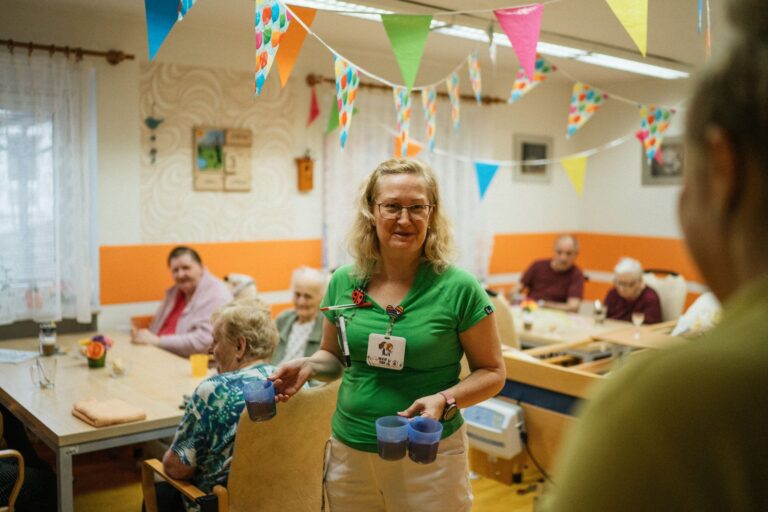
The 12 factors have been studied across multiple countries—Europe, Asia, North America—revealing that while the factors remain consistent, the barriers to addressing them vary sharply. In regions with limited healthcare access, managing diabetes or controlling blood pressure may be prohibitively expensive. Social isolation affects different populations differently; an older rural person facing transportation challenges experiences isolation differently than an older urban person with access to public transit and community programs.
Hearing correction, while medically simple, remains inaccessible to millions globally due to cost and limited audiology services. Depression management illustrates another barrier: many older adults avoid seeking treatment for depression, viewing it as an inevitable part of aging rather than a treatable condition. This stigma, combined with complex medication interactions and side effects in older adults, means depression often remains untreated precisely when its cognitive impact is highest. A 75-year-old experiencing apathy and memory problems may not recognize these as depression symptoms and may not mention them to their doctor unless explicitly asked, creating an intervention gap.
Hearing Loss as a Dementia Risk Factor
Hearing loss affects roughly one-third of adults over age 65, yet many go undiagnosed and untreated. The cognitive toll is substantial: untreated hearing loss forces the brain to allocate resources to auditory processing and comprehension, diverting cognitive energy from memory consolidation and higher-order thinking. Over years, this cognitive load may accelerate cognitive decline. Hearing aids reduce this burden by delivering processed, amplified sound directly to the ear, restoring normal auditory input and freeing cognitive resources.
The challenge is acceptance. Many people resist hearing aids due to stigma, cost (often $2,000 to $5,000 per pair without insurance), or poor initial fitting. Someone who abandons hearing aids after one month due to discomfort or poor adjustment has foregone years of potential cognitive protection. Recent advances in programmable and invisible hearing devices have improved adoption, but access remains limited in low-income regions.
Sleep, Inflammation, and Cumulative Risk
Sleep disruption contributes to dementia risk through multiple pathways: poor sleep impairs glymphatic clearance (the brain’s mechanism for removing toxic proteins like amyloid), elevates inflammation, and weakens memory consolidation. A person averaging five to six hours nightly faces elevated dementia risk compared to someone consistently sleeping seven to eight hours, though the effect size is smaller than that of unmanaged hypertension or untreated hearing loss. The 12 factors operate cumulatively, not independently.
A person who manages blood pressure, exercises regularly, stays cognitively engaged, and maintains social connections but sleeps poorly and drinks heavily experiences compounded risk from the poor sleep and alcohol use. Conversely, someone who addresses even five or six of the factors simultaneously reduces risk more substantially than would be predicted by summing individual factor contributions—the factors interact beneficially. A person who joins an exercise class gains physical activity, social engagement, and cognitive novelty simultaneously, creating overlapping protection that exceeds the sum of isolated interventions.
Frequently Asked Questions
Can dementia be completely prevented by controlling these 12 factors?
No. These factors reduce risk but do not eliminate it entirely. Genetic factors, particularly APOE4 gene variants, remain unmodifiable and influence dementia risk independently. The 12 controllable factors can substantially reduce risk—potentially preventing or delaying disease onset by years or decades—but cannot guarantee immunity.
At what age should I start addressing these risk factors?
Starting early yields the greatest benefit. Cognitive and educational engagement during childhood and young adulthood build baseline cognitive reserve. Cardiovascular health management should begin in midlife (40s to 50s) to prevent decades of vascular damage. Late-life interventions (starting in the 70s or 80s) still provide benefit but cannot fully compensate for decades of neglect.
If I have already been diagnosed with mild cognitive impairment, can these factors still help?
Yes, though the evidence is stronger for prevention than for reversal. Continuing cardiovascular management, cognitive engagement, social activity, and physical exercise may slow cognitive decline even after diagnosis, but typically cannot restore already-lost cognitive function.
Is medication always necessary for blood pressure and diabetes control?
Not always for everyone. Lifestyle modifications—weight loss, sodium reduction, increased physical activity—can normalize blood pressure and blood sugar in some individuals, particularly in early disease stages. However, many people require medication in combination with lifestyle change to achieve recommended target levels, and individual response varies.
Does social media engagement count as social contact?
Not fully. The cognitive and emotional benefits of social engagement depend on face-to-face interaction, particularly two-way conversation that requires real-time cognitive engagement. Online interaction may supplement but does not replace in-person social contact.
Are these 12 factors equally important for everyone?
No. Individual risk profiles vary based on genetics, existing health conditions, and life circumstances. Someone with strong genetic dementia risk or early signs of cognitive decline should prioritize factors most relevant to their situation with guidance from a healthcare provider.