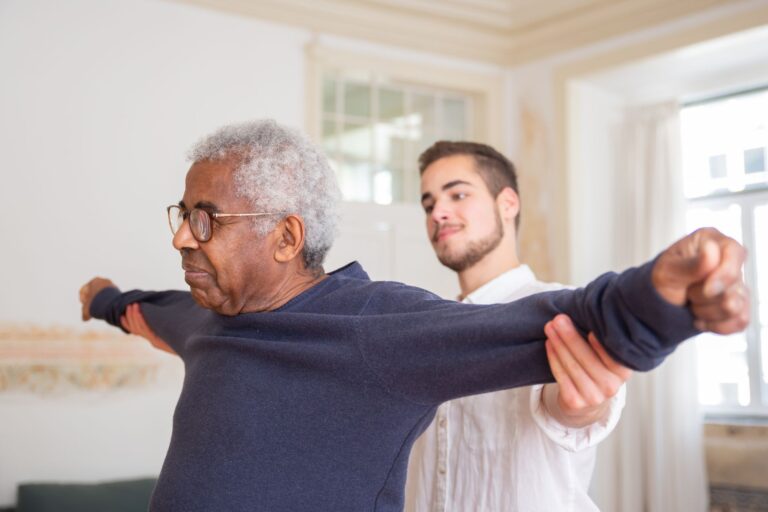
Social connection belongs in brain health plans because it directly prevents cognitive decline and reduces dementia risk by up to 38% compared to low social engagement. This isn’t a secondary benefit or quality-of-life consideration—it’s a core mechanism of brain protection that works independent of how lonely someone feels. When you include regular social activity in your brain health strategy alongside diet, exercise, and cognitive training, you’re addressing a modifiable risk factor that neuroscience now recognizes as central to preventing memory loss and cognitive impairment. A person who visits friends regularly, attends social gatherings, and maintains meaningful relationships can expect to develop memory problems roughly five years later than a socially isolated peer, even if both face identical genetic risk factors.
The 2024 Lancet Commission Report officially added social isolation to the list of modifiable dementia risk factors—putting it in the same category as physical activity, diet, and cognitive engagement. This recognition reflects over a decade of research showing that social connection protects the brain through both structural and chemical mechanisms. Yet many brain health plans still emphasize what you eat and how much you exercise while leaving social connection as an afterthought. That’s a missed opportunity, because the evidence shows isolation doesn’t just make people feel worse—it actively accelerates the biological processes that lead to cognitive decline.
Table of Contents
- What Does Social Engagement Actually Do to Your Brain?
- How Social Isolation Directly Harms Cognitive Function
- The Neurochemistry of Social Connection and Brain Protection
- Building Social Connection Into Your Brain Health Plan
- The Growing Isolation Epidemic and Prevention Urgency
- Never Too Late to Start Building Connections
- What 2026 Research Reveals About Prevention Across Diverse Populations
What Does Social Engagement Actually Do to Your Brain?
Social engagement activates several critical regions of your brain simultaneously: the prefrontal cortex (which handles decision-making and impulse control), the amygdala (which processes emotions), and the hippocampus (which is essential for forming and retrieving memories). When you have a conversation, navigate a social situation, or maintain a relationship, these regions communicate intensely. Over time, this repeated activation strengthens neural pathways and protects against the kind of atrophy that characterizes cognitive decline. The benefit isn’t limited to people who are naturally social—it works across different personality types and levels of previous engagement.
A December 2025 study published in The Journals of Gerontology tracked cognitive decline across diverse populations and found a consistent pattern: people with low social engagement declined faster cognitively, regardless of gender, race, ethnicity, or education level. The effect size was substantial enough that researchers could predict cognitive trajectories based on isolation levels alone. What’s particularly striking is that this pattern held true even when accounting for depression and loneliness—meaning social isolation damages your brain through direct mechanisms, not just through the emotional distress it causes. In fact, only 6% of isolation’s effect on cognitive decline is mediated through subjective loneliness, indicating that the brain pays a biological price for reduced social contact whether or not someone feels emotionally lonely about it.
How Social Isolation Directly Harms Cognitive Function
The damage from social isolation operates at multiple levels simultaneously. When someone is isolated, their brain receives fewer social stimuli, which means less activation of memory systems, less novelty to process, and reduced demand on executive function. At the same time, isolation often increases stress hormones like cortisol, which can be neurotoxic at elevated levels over time. The combination—reduced stimulation plus elevated stress—creates conditions where cognitive decline accelerates. One limitation of current research is that most studies measure association rather than perfect causation, but the 2025 findings from The Journals of Gerontology came closer to establishing direct causality by controlling for confounding factors and tracking decline over time in the same individuals.
People sometimes assume that as long as they stay mentally active—doing puzzles, reading, learning new skills—their brain will stay sharp regardless of social engagement. But social interaction provides a type of cognitive demand that solitary mental activities don’t replicate. When you’re in a conversation, you’re simultaneously processing facial expressions, tone of voice, complex language, and emotional subtext while formulating responses. This multidimensional cognitive load engages more brain regions at once than most solo activities. Additionally, social connection provides emotional meaning and purpose, which research suggests reinforces memory formation and protects against the kind of apathy that often precedes cognitive decline. Someone who plays chess alone every day gets cognitive benefit, but someone who plays chess with a friend gets that same cognitive stimulation plus the protective effect of social engagement.
The Neurochemistry of Social Connection and Brain Protection
Regular social interaction triggers the release of multiple neurochemicals that support brain health. Oxytocin, often called the “bonding hormone,” increases during positive social contact and has been shown to reduce inflammation and support neural repair. Dopamine, released during rewarding social experiences, strengthens motivation and memory consolidation. Together, these chemical shifts create a more resilient brain—one less vulnerable to the kind of neurodegeneration that leads to dementia.
This is why a single social interaction provides temporary benefit, but regular social engagement over months and years builds actual cognitive reserve. The 2026 Multidomain Lifestyle Interventions research confirmed that comprehensive approaches combining physical activity, social engagement, healthy diet, cognitive training, sleep, and stress management can be successfully adapted across diverse cultures and health systems. Studies showed that when social connection is included as part of a coordinated brain health strategy, the cumulative effect on cognitive preservation is substantially greater than the sum of individual interventions. A person who walks daily, eats well, engages socially, and trains cognitively shows better brain protection than someone who does three of these things perfectly. The neurochemical explanation is that social engagement amplifies the benefits of other protective behaviors—exercise is more beneficial when done with others, diet changes are more sustainable when shared with a community, and cognitive training is more effective when practiced in social contexts.
Building Social Connection Into Your Brain Health Plan
If social connection is now recognized as a core brain health factor, it should be incorporated into brain health plans with the same intentionality as exercise or diet. This doesn’t mean you need an active social life in the extroverted sense—it means regular meaningful contact with other people. Research confirms this works through different channels: visiting friends, attending parties or social gatherings, dining with others, participating in religious or spiritual communities, and even travel that involves social interaction all contribute to the protective effect. The key variable is consistency and quality—one large social gathering per year provides minimal benefit, but weekly contact with friends or regular participation in a group activity provides substantial cognitive protection. One practical difference from other brain health recommendations is that social engagement requires coordination with other people.
You can control whether you exercise, but you can’t entirely control whether friends are available. This means a realistic brain health plan needs to account for building social connections proactively rather than hoping they happen naturally. Community groups, classes, volunteer opportunities, religious organizations, and interest-based clubs all provide structured ways to build regular social contact. For people who are isolated due to mobility limitations, transportation barriers, or health conditions, virtual social connection has been shown to provide measurable cognitive benefits, though in-person connection appears to provide somewhat greater benefit. The tradeoff is that building social connection requires more planning and coordination than other health behaviors, but the cognitive payoff justifies the effort.
The Growing Isolation Epidemic and Prevention Urgency
An AARP survey conducted in August 2025 found that 40% of adults reported feeling lonely, indicating that social isolation is not a minor issue affecting only isolated individuals—it’s widespread enough to be a public health concern. This baseline of social disconnection means that brain health plans developed today need to address isolation as a realistic risk for most people, not just those who obviously lack social connections. The prevalence of loneliness suggests that many people need explicit guidance and support in building and maintaining social engagement, just as they do with exercise and diet. A significant warning from the research is that cognitive decline can progress without obvious early symptoms.
Someone might be losing cognitive function for years before noticing memory problems. By the time obvious symptoms appear—forgetting appointments, losing track of conversations, difficulty with complex tasks—substantial brain changes may already be underway. This is why prevention is so much more effective than trying to reverse decline. Including social engagement in a brain health plan from middle age onward may be more protective than attempting to build social connections only after cognitive decline becomes noticeable. The research from Johns Hopkins Media Briefing on Dementia and Brain Health in 2026 emphasized that prevention is far more effective than current treatments, making the modifiable risk factors—including social connection—critical priorities for public health.
Never Too Late to Start Building Connections
A persistent worry among people who realize they’ve been isolated is whether they’ve already done irreversible damage or whether it’s too late to benefit from social engagement. The evidence suggests social connection is protective at any age. While starting social engagement earlier provides more years of cumulative protection, beginning social connection even in later life still provides measurable cognitive benefits. Research participants who began regular social activities after years of isolation showed improved cognitive trajectories compared to those who remained isolated, indicating the brain retains the capacity to benefit from engagement even after prolonged isolation.
Community colleges, volunteer organizations, interest-based clubs, and religious communities all provide entry points for people building social connections later in life without requiring existing social networks as a starting point. The Salk Institute’s 2026 Year of Brain Health Research and Brain Week 2026 (organized by the Virtual Brain Health Center and Foundation for Social Connection) both emphasized that developing new social connections is a skill that can be learned and practiced. Neither introversion nor previous isolation should prevent someone from beginning social engagement. The specific form of engagement matters less than the consistency and the element of genuine connection—some people build social contact through interest-based groups (book clubs, hobby groups), others through volunteering, others through religious or spiritual communities, and others through classes or educational groups. The commonality is regular contact with people where some level of genuine interaction occurs.
What 2026 Research Reveals About Prevention Across Diverse Populations
The comprehensive research conducted in 2026 demonstrated that social connection provides brain protection across diverse populations and health systems. Multidomain lifestyle interventions including social engagement showed consistent cognitive benefits regardless of whether interventions were adapted for Latin America, Northern Europe, or other cultural contexts. This is significant because it means social connection isn’t a culturally specific benefit—it’s a fundamental brain health mechanism that operates consistently across different populations, economic conditions, and healthcare systems.
The evidence base has matured to the point where omitting social connection from a brain health plan represents a missed opportunity for substantial cognitive protection. A 38% reduction in dementia risk for people with frequent social activity compared to low social engagement, combined with a 21% reduction in mild cognitive impairment risk and a five-year delay in memory impairment for the socially active, represents one of the largest protective effects of any single modifiable risk factor. These numbers exceed the protective effect of many individual dietary or exercise interventions. The strength of the evidence—now officially recognized by the Lancet Commission and incorporated into research from major institutions including Johns Hopkins and the Salk Institute—justifies elevating social connection from an optional quality-of-life element to a core component of serious brain health planning.