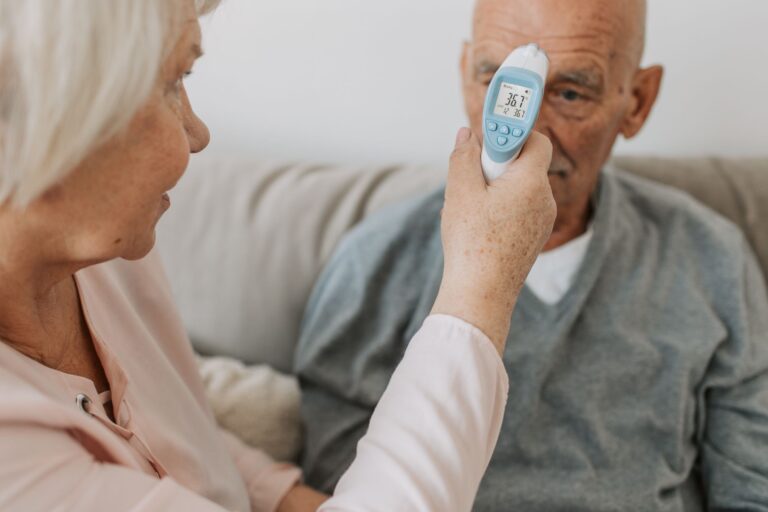
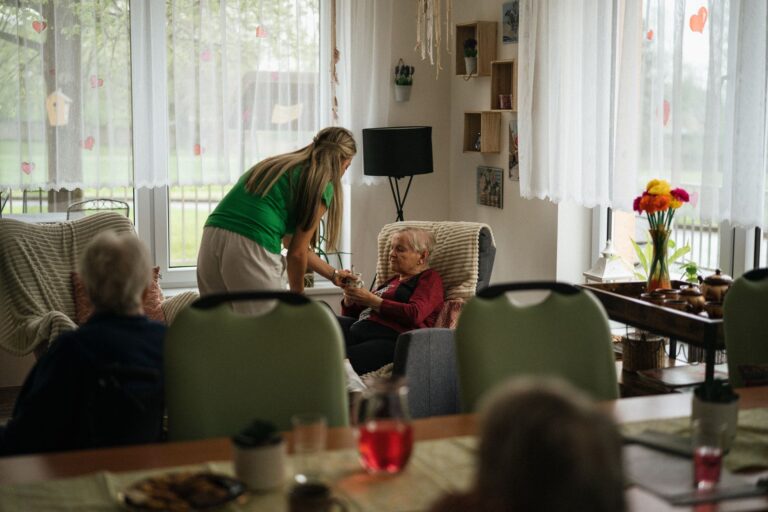
Vascular dementia symptoms develop when blood vessels in the brain become damaged or blocked, restricting oxygen flow to brain cells. The most common signs families notice include sudden difficulty with memory, slower thinking speed, and problems with concentration or attention—often appearing after a stroke or series of small strokes. A person might walk into a room, forget why they came there, but then partially remember it later; they may struggle to find words during conversation or lose the thread of a TV show halfway through. Unlike Alzheimer’s disease, where cognitive decline is typically gradual and widespread, vascular dementia often progresses in steps.
A family member might be functioning normally one day and noticeably different after a stroke episode the next. These step-like changes, combined with physical symptoms like weakness on one side of the body or slurred speech, are hallmarks families should recognize early. Recognizing vascular dementia symptoms matters because many cases can be slowed or managed better when caught early. Blood pressure control, medication adherence, and lifestyle changes can reduce the risk of additional strokes that would worsen the dementia further.
Table of Contents
- What Are the First Signs of Vascular Dementia?
- Cognitive Changes and Memory Loss in Vascular Dementia
- Physical and Motor Symptoms Families Should Monitor
- Distinguishing Vascular Dementia from Other Dementias
- Mood and Behavioral Changes in Vascular Dementia
- Speech and Communication Problems
- How Stroke Events Impact Symptom Progression
What Are the First Signs of Vascular Dementia?
The earliest signs of vascular dementia often appear suddenly rather than gradually developing. While someone with Alzheimer’s might show mild memory problems for years before diagnosis, a person with vascular dementia may function normally and then experience a noticeable change after a stroke. One spouse may describe coming home from work and finding their partner confused about what day it is, unable to remember their grandchild’s name, or struggling to follow a simple conversation—changes that happened over days or weeks, not months. families frequently report that the person with vascular dementia seems slower at mental tasks that once came easily. Processing information takes longer. Decisions that should take seconds take minutes.
A family member might describe their parent taking an unusually long time to recall a familiar person’s name or asking the same question repeatedly within an hour, despite being told the answer only moments before. This slowing of mental speed, called psychomotor slowing, distinguishes vascular dementia from healthy aging and from other dementia types in its pattern of onset. Attention and concentration problems are also early flags. The person may struggle to focus on reading, not because they’ve lost interest but because their brain has difficulty sustaining attention. Watching a full movie becomes impossible when they lose track of the plot midway. This attentional deficit directly connects to the reduced blood flow in the brain’s executive function areas.
Cognitive Changes and Memory Loss in Vascular Dementia
Memory loss in vascular dementia is real but often behaves differently than families expect. The person might remember distant past events clearly—their childhood home, a relative who passed years ago—but struggle with recent events. They may forget what they ate for breakfast or fail to recall a conversation from this morning, yet easily recount a story from decades ago. This pattern of memory loss, called patchy or selective memory loss, reflects the way strokes damage some brain regions while leaving others intact. One important limitation to understand: memory loss in vascular dementia may improve slightly with rest or in a calm environment, unlike the progressive memory loss of Alzheimer’s. A person with vascular dementia might have better recall on a good day than a bad day, depending on blood flow and fatigue.
This variability can confuse families, who may wonder whether the person is simply not trying or whether the problem is truly neurological. It is both: the brain damage is real, but its expression fluctuates hour to hour based on physical state. Warnings about vascular dementia’s cognitive progression: the damage is cumulative. Each new stroke event causes additional cognitive decline. A person might plateau for months at a certain level of functioning, then experience another small stroke and drop to a noticeably lower level. Some families describe this as “losing a piece” of their loved one each time. The risk is that caregivers become hopeful during stable periods and are shocked by sudden decline, then may attribute the decline to depression or medication changes when it reflects actual brain damage.
Physical and Motor Symptoms Families Should Monitor
Vascular dementia frequently brings physical symptoms alongside cognitive decline, and families often spot these first. Weakness on one side of the body, slurred speech, balance problems, or a shuffling gait are red flags that suggest vascular damage rather than primary cognitive decline. A family member might notice their parent’s right hand is noticeably weaker than the left, or that they favor one leg when walking without any recent injury to explain it. Facial drooping and difficulty swallowing are specific signs that warrant immediate medical attention.
If a family member’s mouth droops on one side, if they have difficulty with foods they previously enjoyed, or if they seem to choke on liquids, these point to stroke-related damage. One family described their father’s sudden inability to eat his customary soup—he would choke or cough after a small spoonful, changes that appeared after what they thought was a minor “funny episode” but which was actually a small stroke affecting his swallowing mechanism. Movement problems in vascular dementia can progress to rigidity or a shuffling, cautious gait sometimes called “small-stepped” walking. The person walks with unusually short steps, moves slowly and stiffly, and may become prone to falls. This differs from Parkinson’s disease, where tremor is common, but the gait problem is similar enough that vascular dementia is sometimes initially misdiagnosed as Parkinsonism before imaging clarifies the underlying cause.
Distinguishing Vascular Dementia from Other Dementias
Families trying to understand their loved one’s diagnosis often ask whether the symptoms point to vascular dementia or Alzheimer’s or Lewy body dementia. The key distinguishing feature is timing and pattern: vascular dementia symptoms appear suddenly and step-wise, while Alzheimer’s progresses gradually and relentlessly. An Alzheimer’s patient experiences slow, steady decline month after month; a vascular dementia patient may remain stable for weeks, then drop a notch after a stroke, then plateau again. The physical symptoms are another tradeoff to consider. If your family member shows signs of weakness on one side, balance problems, or gait changes before or alongside memory problems, vascular dementia is more likely.
If memory loss is the primary symptom and physical findings are absent, Alzheimer’s or mild cognitive impairment may be more probable. The limitation here is that vascular dementia and Alzheimer’s can coexist—many people have both—and brain imaging may show evidence of both types of damage, complicating the diagnosis and the trajectory. Vascular dementia is also more responsive to blood pressure management and stroke prevention than other dementias, making the distinction medically important. Families of someone with vascular dementia have more opportunities to slow progression through medication and lifestyle changes than families dealing primarily with Alzheimer’s, where disease-modifying options remain limited. This potential for intervention makes early, accurate diagnosis valuable.
Mood and Behavioral Changes in Vascular Dementia
Families often notice personality or mood changes before they fully recognize cognitive decline. The person with vascular dementia may become irritable, anxious, or emotionally unpredictable. A loved one who was calm and patient may become easily frustrated at minor inconveniences. Another person may develop increased anxiety, worrying excessively about finances, family problems, or their own health—worries that seem out of proportion to the actual circumstances. A warning about misattribution: families sometimes interpret these mood changes as emotional responses to the situation rather than as neurological symptoms. A person becomes irritable, and the family assumes it’s because they’re frustrated about memory loss or anxious about aging.
While emotional responses to cognitive decline are real and valid, the emotional instability in vascular dementia also reflects direct damage to brain regions that regulate mood—the same regions where reduced blood flow caused the problem in the first place. Treating the mood symptoms as purely psychological and missing the vascular component can delay appropriate medical management. Apathy is another significant behavioral change families encounter. The person loses interest in hobbies, stops initiating conversation, and seems to lack motivation for activities they once enjoyed. One family described their mother going from an avid reader and gardener to someone who sat for hours doing nothing, uninterested in suggestions for activity. This apathy differs from depression’s sadness; it’s an absence of drive and initiative, and it directly correlates with damage in brain regions responsible for motivation and goal-directed behavior.
Speech and Communication Problems
Speech difficulties in vascular dementia may include slurred speech, word-finding problems, or a staccato quality to speech where the person pauses unusually between words. Some people develop anomia—difficulty retrieving the names of objects or people—so they describe a cup as “that thing you drink from” or refer to their granddaughter by a generic term because they cannot retrieve her name at that moment.
One family noticed their father’s speech became noticeably more hesitant after a stroke. He knew what he wanted to say but had to search for words, sometimes taking 10-15 seconds to retrieve a name or a verb. His family initially wondered whether he was having a stroke again; a speech evaluation revealed that the specific areas controlling word retrieval had been damaged in the previous stroke, and while he could compensate partially through effort and time, fluent conversation was no longer possible.
How Stroke Events Impact Symptom Progression
Each stroke event in vascular dementia represents an irreversible loss of brain tissue. New symptoms emerge or existing ones worsen, depending on where the stroke occurs. A stroke in a region controlling language produces speech problems; a stroke in areas managing executive function produces sudden difficulty with planning or decision-making. This contrasts sharply with progressive dementias where symptoms emerge gradually across all domains.
Families should understand that the relationship between stroke location and symptom pattern matters for prognosis. A person who has had three small strokes in the memory-related regions of the brain will show different symptoms than someone with one large stroke in the motor cortex. Some strokes are so small they cause no immediately noticeable change—a person may remain asymptomatic or show minimal decline—while another stroke in a critical region produces dramatic change. The unpredictability of location and severity means vascular dementia trajectories vary widely between individuals, making it difficult to predict how quickly a person will decline or what skills will be affected next.
- —