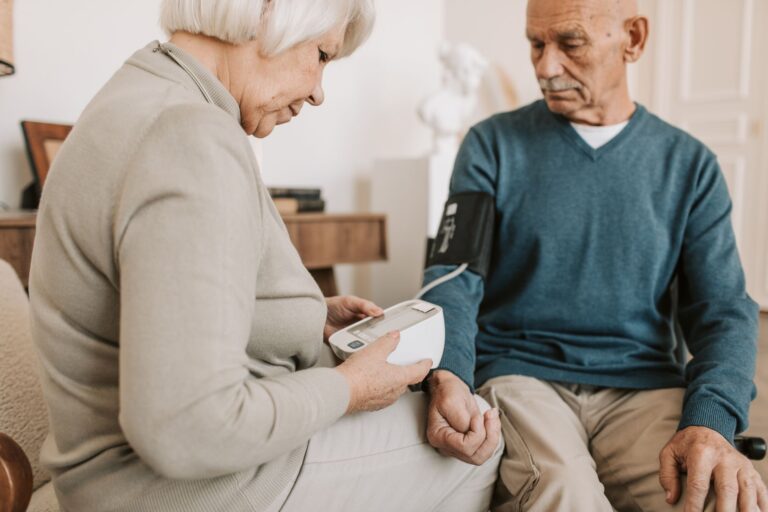
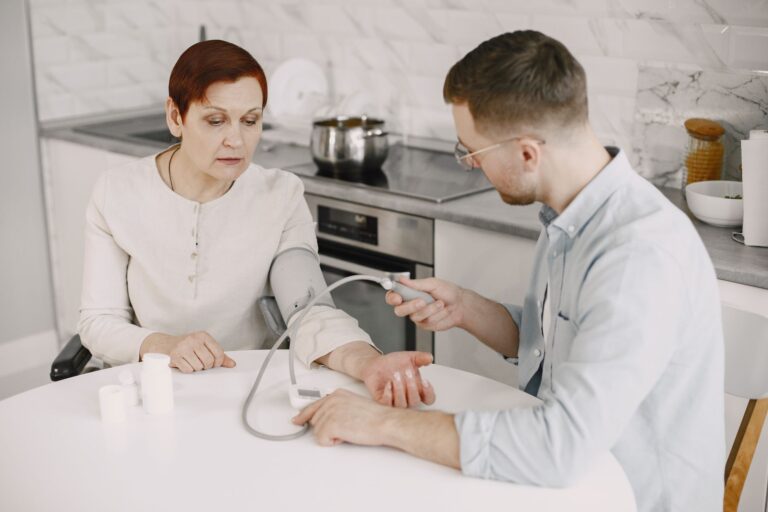
The latest U.S. report shows that dementia caregiving remains widespread, time-intensive, and emotionally taxing in 2026.
Caregiver stress—the emotional and physical strain caused by providing care—is rated high or very high by many unpaid caregivers. The numbers require context. The 2026 report estimates current caregiving activity, but its most prominent national stress percentages come from a 2014 survey rather than measurements collected in 2026.
Medical information disclaimer: This article is for general educational purposes only and does not provide medical advice, diagnosis, or treatment. Always consult a physician or other qualified health professional about symptoms, medications, tests, or treatment decisions.
Table of Contents
- How large is the caregiving burden?
- What do the national stress percentages mean?
- Who faces greater risk of serious strain?
- How does caregiving affect sleep and employment?
- What can caregivers do with this information?
How large is the caregiving burden?
The Alzheimer's Association estimates that 12.7 million family members and other unpaid dementia caregivers provided 19.6 billion hours of care during 2025. That averages nearly 30 hours per caregiver each week, according to its 2026 Alzheimer's Disease Facts and Figures report.
An average can hide very different situations. Some people may share care with relatives, while others may carry most responsibilities themselves. The weekly figure also does not show when care interrupts sleep, employment, or personal health needs.
What do the national stress percentages mean?
Fifty-nine percent of family caregivers for people with Alzheimer's or another dementia rated their emotional stress high or very high. Thirty-eight percent gave the same rating to their physical stress. These figures remain a prominent national benchmark, but they are not 2026 survey results.
The Alzheimer's Association's report appendix traces them to a nationally representative 2014 poll of 512 unpaid dementia caregivers. Readers should therefore use the percentages to understand the established scale of caregiver strain, not to calculate its exact prevalence today. The newer estimate of caregiving hours shows current demand; the older poll describes reported stress within an earlier caregiver sample.
Who faces greater risk of serious strain?
Dementia caregivers report more emotional, financial, and physical difficulties than people caring for someone without dementia. Risk is especially high when the person receiving care has four or more behavioral or psychological symptoms. Caregivers in that situation are particularly likely to report clinically meaningful depression and burden.
Multiple studies place depression among dementia caregivers at 30% to 40% and anxiety at 40% or more. The relationship to the person receiving care also matters. Spousal dementia caregivers have 2.5 times the odds of depression found among non-spousal dementia caregivers. These findings support earlier assessment when symptoms multiply or one person carries most of the care.
How does caregiving affect sleep and employment?
Dementia caregivers are estimated to lose 2.4 to 3.5 hours of sleep each week. They also have 23% lower odds of reporting excellent or very good sleep quality than age-matched noncaregivers. Employment adds another pressure point. Six in 10 dementia caregivers worked while providing care during the prior year.
Among working caregivers, 57% sometimes arrived late, left early, or took time off, while 18% reduced their hours because of care responsibilities, as summarized by the Alzheimer's Association. These effects can overlap. Reduced sleep may accompany a demanding care schedule, while missed work or fewer paid hours may increase financial pressure. A useful assessment should examine the combined pattern rather than treating each problem separately.
What can caregivers do with this information?
The CDC's public-health strategy calls for health and social-service systems to identify caregivers, assess their needs, and connect them with individualized resources that protect their health and well-being. This means caregiver strain should be discussed directly, not treated as an invisible extension of the care recipient's condition. Before speaking with a clinician or social-service provider: The CDC strategy emphasizes active connection to individualized help, so the concrete next step is to request an assessment rather than waiting for a provider to notice caregiver strain.
- Record the approximate hours spent providing care each week.
- Note sleep loss, emotional strain, physical demands, and work disruptions.
- Identify which care responsibilities create the most difficulty.
- Mention if the person receiving care has several behavioral or psychological symptoms.
- Ask for a caregiver assessment and resources matched to the problems documented.