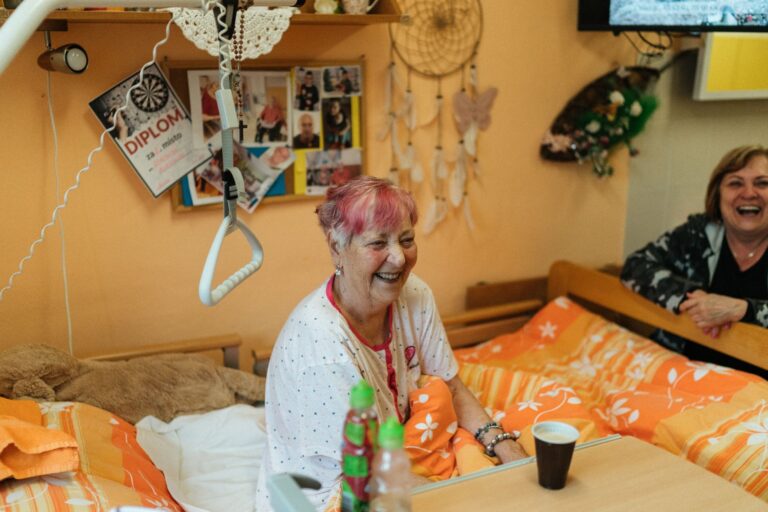
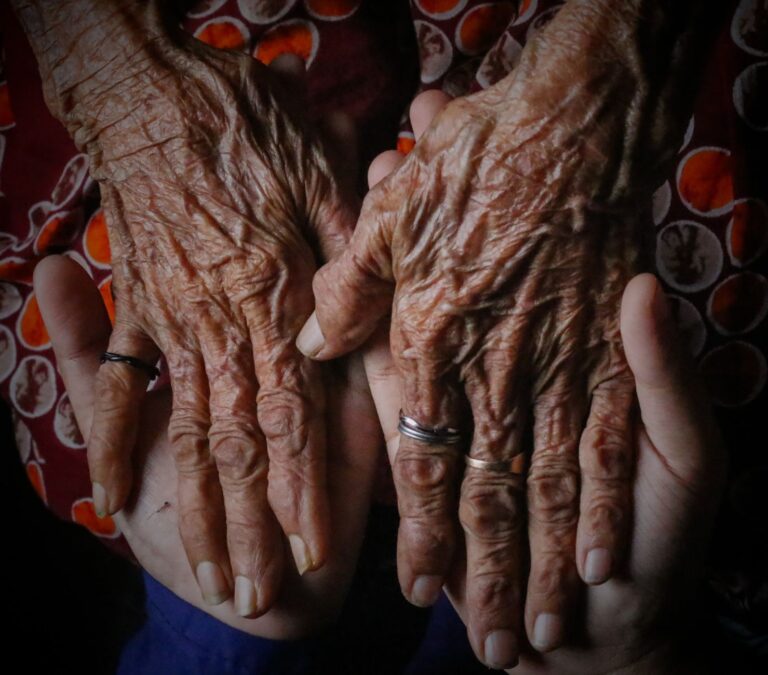
For a dementia caregiver, remembering the family home can create a bridge to the person behind the disease. Familiar rooms, objects, sounds, and rituals can invite connection, while the same memories can stir grief for a changing relationship. The useful goal is not perfect recall. It is a calmer shared moment, a sense of identity, or a story worth preserving—even if the home eventually becomes unsafe as a residence.
Medical information disclaimer: This article is for general educational purposes only and does not provide medical advice, diagnosis, or treatment. Always consult a physician or other qualified health professional about symptoms, medications, tests, or treatment decisions.
Table of Contents
- Why can the family home unlock memories?
- Use memories as invitations, not tests
- When the home represents what is being lost
- Can preserving a life story help the caregiver?
- A meaningful home is not always a safe home
Why can the family home unlock memories?
A family home holds many possible memory cues. A photograph of the porch, a familiar song, a keepsake, or the scent of a traditional meal may prompt older memories and help the person connect with a caregiver, according to the Alzheimer's Association's reminiscence guidance. The caregiver does not need access to the building itself.
A photo album, recorded music, a familiar recipe, or one meaningful object can represent the home wherever the person now lives. Responses may be incomplete or unexpected. A person might recognize the feeling of a kitchen without recalling its address, or respond warmly to a photograph without identifying anyone in it. That emotional response can still make the activity worthwhile.
Use memories as invitations, not tests
questions such as "Who is this?" or "Do you remember where we lived?" can feel like tests. Dementia may make the expected answer unavailable, even when the image or story still creates comfort.
Try a gentler approach: A successful conversation may last only a few minutes. Connection matters more than accuracy, and silence, smiling, singing, or holding an object can be forms of participation.
- Begin with what you remember: "I always liked this room."
- Offer a detail instead of demanding one: "That was the garden by the back steps."
- Ask an open invitation: "What comes to mind when you see this?"
- Follow the person's emotion instead of correcting every detail.
- Pause or change the subject if the memory causes distress.
When the home represents what is being lost
dementia caregivers may experience predeath grief: grief that develops while their relative is still alive. Recognition, mutual conversation, and familiar family roles may gradually fade, creating longing, role confusion, and a shaken sense of identity. The family home can concentrate those feelings.
It may represent the years when the person offered advice, hosted celebrations, managed daily life, or recognized everyone who entered the room. Such grief does not mean the caregiver has stopped valuing the person who remains. It reflects the strain of holding two realities at once: preserving a relationship while mourning parts of it that have changed.
Can preserving a life story help the caregiver?
A life story can turn scattered memories into something the caregiver and care recipient can share. Start small: choose one room, celebration, routine, or object, then record the names, feelings, music, and stories connected with it. Early research is promising but limited.
In a 2026 pilot randomized trial of 68 caregiver–recipient pairs, a two-week digital reminiscence program reduced caregiver predeath-grief scores by an average of 3.29 points. However, only 54 participants completed follow-up, and relationship-quality differences were not statistically significant, according to the JAMA Network Open study. The study does not prove that reminiscence produces lasting clinical benefits. It suggests that preserving a life story may help some caregivers reframe loss, but larger and longer trials are still needed.
A meaningful home is not always a safe home
Remembering the family home and remaining there are separate decisions. As dementia progresses, wandering, aggression, or the need for round-the-clock help may make the home unsafe.
The National Institute on Aging's planning guidance recommends planning early for either home-based or residential long-term care. Treat these changes as prompts to reassess care: Families using participating providers may also be able to access Medicare's GUIDE model. Its services include care navigation, caregiver training, a 24/7 support line, and up to $2,500 in yearly respite for those who qualify, as described by the Centers for Medicare & Medicaid Services.
- The person wanders or cannot reliably navigate the home.
- Aggressive behavior puts the person or others at risk.
- Safe care requires continuous help the current arrangement cannot provide.