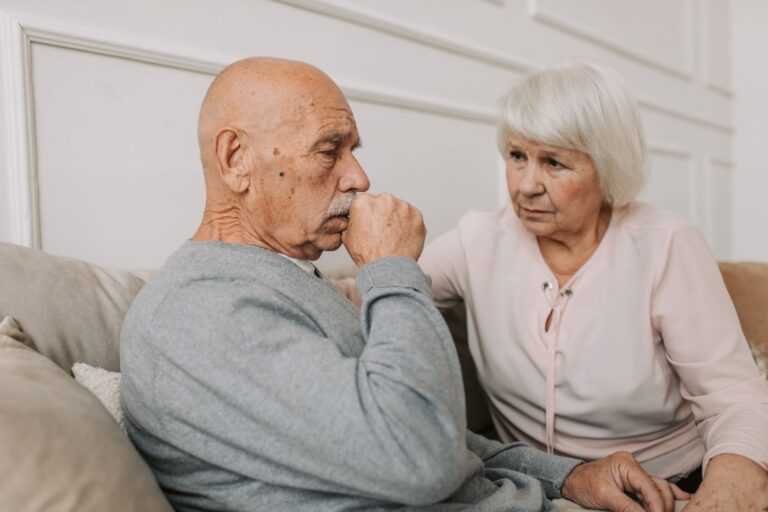
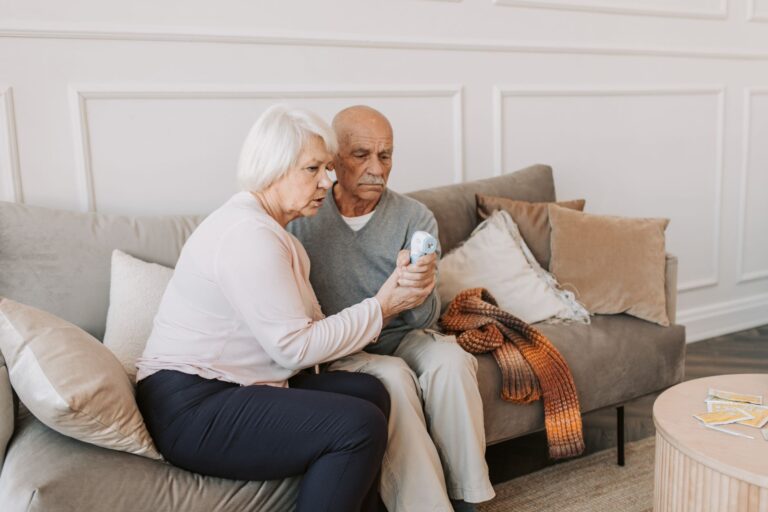
For a dementia caregiver, watching an old home video can bring connection, grief, comfort, or all three at once. It may offer a way to recognize the person beyond dementia, but it can also sharpen the sense of ongoing loss. Research does not directly establish what happens when a caregiver watches one video alone. It mainly examines structured reminiscence—using personal memories and prompts to encourage reflection or conversation—often with the caregiver and person with dementia together.
Medical information disclaimer: This article is for general educational purposes only and does not provide medical advice, diagnosis, or treatment. Always consult a physician or other qualified health professional about symptoms, medications, tests, or treatment decisions.
Table of Contents
- Why an old video may reach the person with dementia
- What the experience can mean to a caregiver
- What the evidence does—and does not—show
- How to make viewing safer and more meaningful
Why an old video may reach the person with dementia
Dementia often affects recent memory before older memories. The Alzheimer's Association explains that long-ago experiences may remain accessible even when someone struggles to retain new information. A home video can provide several prompts at once: familiar faces, voices, music, places, clothing, and routines.
The person may recognize a song without identifying the occasion, or respond warmly to a face without naming it. These responses can still matter. The useful question is not "Do you remember this correctly?" but "Does this help us share a moment?".
What the experience can mean to a caregiver
A video may temporarily shift attention from daily care tasks to the relationship that existed before dementia. It can remind a spouse, child, or friend of the person's humor, roles, interests, and connections. That recognition can be comforting, but it may also intensify predeath grief—the grief experienced while a person is still alive but changing.
In a 2026 pilot trial of 68 caregiver–recipient pairs, a two-week digital reminiscence activity reduced caregivers' predeath-grief scores by 3.29 points. However, only 54 participants completed follow-up, relationship-quality changes were not statistically significant, and the JAMA Network Open researchers called for a definitive trial. A caregiver watching alone should not assume sadness means the activity was harmful. But persistent anxiety, disrupted sleep, or feeling unable to resume daily responsibilities may signal that this particular footage is too painful right now.
What the evidence does—and does not—show
Reminiscence therapy uses prompts such as videos, photographs, keepsakes, and music to start conversations about the past. An old home video can serve as one of those prompts; it is not a treatment by itself. A Cochrane review covering 22 trials and 1,972 people with dementia found that reminiscence produced inconsistent and generally small benefits.
Cognition improved only slightly immediately after treatment and not clearly over longer follow-up. The review also found no clear benefit for family caregivers and noted a possible small increase in anxiety in two joint-remembrance studies, showing that shared reminiscence is not automatically soothing. The evidence therefore supports modest expectations. A successful viewing might produce a smile, a few words, relaxed attention, or a brief sense of closeness—not improved memory or a lasting change in dementia.
How to make viewing safer and more meaningful
Choose short, positive footage rather than a long family chronology. Avoid scenes linked to conflict, trauma, death, or another loss that might cause distress.
During shared viewing: The Alzheimer's Association recommends using reminiscence for connection rather than testing accuracy. If the person remains calm, follow their lead: replay a favorite song, talk about one familiar face, or simply sit together without demanding an explanation.
- Reduce background noise and choose a time when the person seems comfortable.
- Introduce the video gently: "Here is a family picnic," rather than "You remember this, don't you?"
- Comment on visible details instead of asking repeated memory questions.
- Accept mistaken names or timelines unless correction is necessary for safety.
- Watch facial expression, posture, restlessness, silence, or attempts to leave.