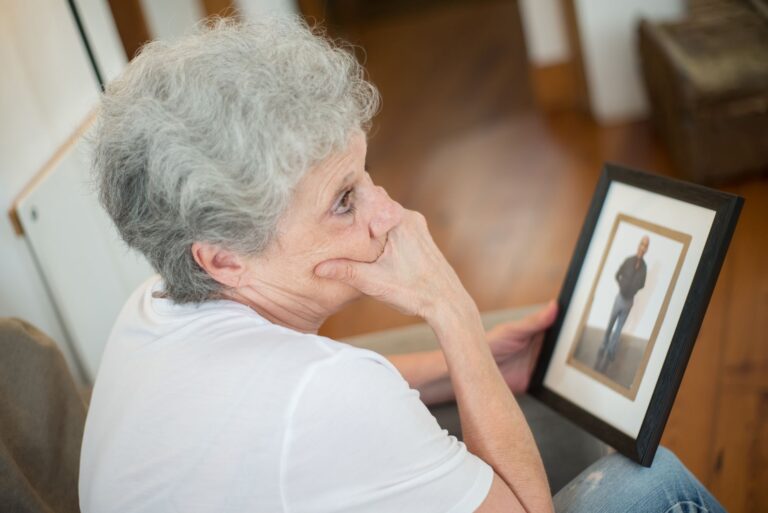
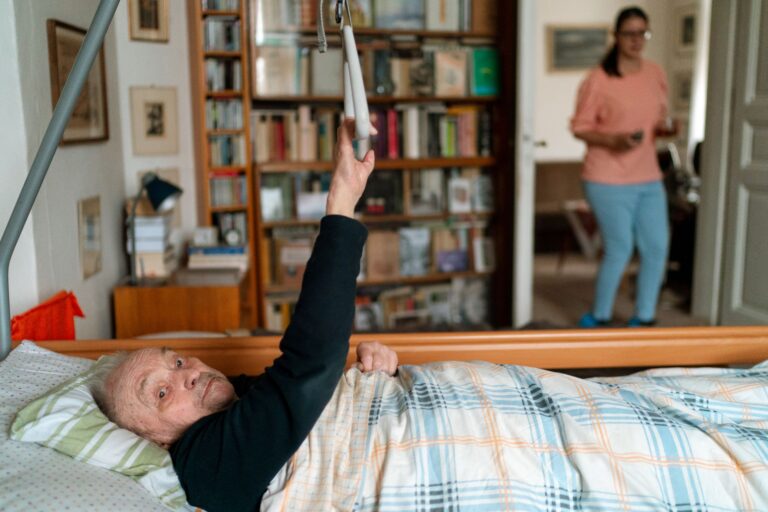
Creating a legacy of grace and understanding in dementia care means choosing compassion over frustration in every interaction, and helping both the person with dementia and their loved ones find meaning amid cognitive decline. This legacy isn’t built through grand gestures or perfect caregiving moments—it’s constructed through small, intentional acts: a gentle response to a repeated question, time spent listening rather than correcting, and conversations that honor who the person was before the diagnosis changed everything. When a daughter sits with her mother and simply holds her hand while the mother struggles to remember her name, that moment of unconditional presence becomes part of a legacy that will outlive the disease.
The difference between a legacy built on grace and one built on resentment often comes down to whether caregivers, family members, and healthcare providers have taken time to truly understand dementia as a disease that changes behavior and cognition, not character. A person with dementia who becomes angry or withdrawn isn’t being difficult—they’re expressing fear, confusion, or physical discomfort they cannot articulate. When family members understand this, the entire emotional tone of caregiving shifts. Instead of “Why won’t you remember that I told you this yesterday?” the question becomes “What is she trying to tell me through her anger?” That shift in perspective is what allows grace to take root.
Table of Contents
- What Does a Legacy of Grace Mean in Dementia Care?
- How Understanding Changes the Caregiving Experience
- Building Meaningful Moments and Memories
- Communication Strategies That Preserve Dignity
- The Emotional and Financial Challenges of Legacy-Building
- Family Conversations and Shared Understanding
- The Ongoing Practice of Presence and Acceptance
- Frequently Asked Questions
What Does a Legacy of Grace Mean in Dementia Care?
Grace in dementia care means accepting that you cannot control the disease’s progression, but you can control how you respond to it. It means letting go of the expectation that your loved one will remain who they were, while simultaneously honoring the essence of who they are becoming. For many families, this transition feels impossible at first. A man who spent 50 years building a career as an engineer may now struggle to tie his shoes; a woman who prided herself on independence may need help with basic hygiene. Accepting these changes without judgment, shame, or anger is an act of profound grace. One family’s experience illustrates this clearly.
When Robert’s father was diagnosed with Alzheimer’s at 72, Robert expected to feel sadness and fear—and he did. But after the initial shock, Robert made a deliberate choice: instead of trying to get his father to remember things he’d forgotten, Robert would spend time in his father’s present moment. Some afternoons, his father didn’t recognize Robert at all. Rather than correct him or express hurt, Robert would introduce himself as if meeting his father for the first time. His father would smile at this “friendly stranger” and share stories—sometimes the same story five times in one hour—and Robert would listen as though hearing it for the first time each time. This approach didn’t reverse the disease, but it created an atmosphere of acceptance and peace that lasted until his father’s death.
How Understanding Changes the Caregiving Experience
Understanding dementia as a neurological disease, not a behavioral choice, fundamentally changes how caregivers respond to challenging situations. When you understand that a person with advanced dementia cannot control their impulse to wander, cannot remember the house rules you’ve explained 50 times, and cannot organize their thoughts into coherent sentences, you stop taking their behavior personally. This understanding doesn’t eliminate caregiver stress—if anything, it can intensify it because you’re grieving the loss of the person they were while simultaneously caring for the person they are now—but it channels that stress into problem-solving rather than blame.
The limitation of understanding, however, is that it doesn’t make the work easier; it simply makes it more bearable. A caregiver who fully understands that their loved one cannot remember whether they’ve eaten lunch still has to prepare meals, often multiple times, because the person with dementia will ask for food repeatedly. Understanding that the person cannot help their repetitive questioning doesn’t reduce the fatigue of answering the same question 20 times before noon. What understanding does provide is emotional permission to seek help, to take breaks, and to acknowledge that this work is genuinely hard—not because you’re failing, but because the task itself is extraordinarily demanding.
Building Meaningful Moments and Memories
Meaningful moments in dementia care often don’t look like traditional memories. A person with advanced dementia may not remember a birthday party held in their honor, but they will feel the warmth of being surrounded by people who care about them. They will respond to music, touch, and familiar voices even when they cannot form new lasting memories. This is why the moments matter more than the outcomes: the value exists in the present experience, not in whether it can be recalled later.
Creating these moments requires understanding what brings your loved one joy now, not what brought them joy before the diagnosis. If your mother loved jazz before her dementia, she might still respond to jazz music by moving her body or humming along. If your father was reserved before his diagnosis, he might now enjoy simple physical affection like hand massage or sitting close together, behaviors he would have avoided in his earlier life. One caregiver discovered that her husband, who had been a stoic, private man throughout their 45-year marriage, now loved being braided by her and would sit contentedly for hours while she played with his hair. These moments of connection, though they exist only in the present, become the true legacy—not because they’re remembered, but because they honor the person’s present experience and affirm their continued worth.
Communication Strategies That Preserve Dignity
How you speak to and about a person with dementia profoundly affects their sense of dignity, even if they cannot consciously remember the conversation. Using simple, clear language; speaking directly to the person rather than about them as if they’re not present; and avoiding correction of false memories all contribute to an environment of respect. When a person with dementia believes they need to pick up their children from school, correcting them by saying “Your children are 40 years old now, they don’t need you to pick them up” only causes distress.
A more dignified approach: “It sounds like you’re thinking about your children. Tell me about them.” The tradeoff between validation and honesty is one that many caregivers struggle with. Is it wrong to agree with a false memory to keep your loved one calm? Most dementia care experts say no—validation is a form of respect when the alternative is causing distress and agitation that serves no therapeutic purpose. If your mother insists her mother is still alive and will be visiting soon, saying “Yes, that’s wonderful” preserves her emotional state and dignity far better than reminding her that her mother died 30 years ago, information that will cause fresh grief and confusion each time she’s reminded.
The Emotional and Financial Challenges of Legacy-Building
Building a legacy of grace is emotionally and financially costly. The emotional cost is the grief of watching someone you love disappear gradually while their body remains. The grief comes in waves: grief for the conversations you can no longer have, the inside jokes they no longer understand, the recognition in their eyes that has faded. Many caregivers describe feeling like they’re mourning someone who is still physically present—a unique and isolating form of loss. Additionally, the financial cost of quality dementia care can be devastating. A memory care facility can cost $3,000 to $8,000 per month depending on location and level of care.
In-home care assistance, even at 20 hours per week, can exceed $2,000 monthly. For many families, affording these costs while maintaining employment and meeting other family responsibilities is impossible. The warning here is real: building a legacy of grace cannot come at the complete expense of your own health and financial security. Some caregivers, driven by guilt or love, sacrifice their retirement savings, their health, and their mental well-being in an attempt to provide perfect care at home. This is unsustainable and ultimately serves no one—a burned-out caregiver cannot provide the grace and patience the situation requires. Part of creating a legacy is knowing when to bring in professional help, when to use adult day programs, and when to accept that institutional or assisted living care might actually provide better quality of life for your loved one than stretched, exhausted family care.
Family Conversations and Shared Understanding
Before a dementia diagnosis, family members often have different ideas about what constitutes good care, what level of independence is appropriate, and when intervention becomes necessary. These differences that might be manageable in a healthy family become sources of deep conflict when dementia enters the picture. One sibling might push for keeping their parent at home as long as possible, viewing placement in a facility as abandonment. Another sibling might advocate for professional care, viewing it as more dignified and appropriate.
Without a shared understanding of dementia as a progressive disease that changes what’s possible, these disagreements can fracture families. Families that create a legacy of grace often do so by having difficult conversations early—ideally before a diagnosis, but certainly early after one. What does the person with dementia want for their care? What are their deepest fears? What would they consider a good quality of life at different stages of decline? When these conversations happen and family members hear directly from their loved one, not from their own fears or values, unity becomes possible. One family documented their father’s wishes on video before his Alzheimer’s progressed to the point where he could no longer communicate clearly. Years later, when disagreements arose about care decisions, the family could return to their father’s own voice and values rather than arguing about what they thought he’d want.
The Ongoing Practice of Presence and Acceptance
Creating a legacy of grace is not a destination but a daily practice, one that requires continuous recommitment because dementia is a disease of progressive decline. Some days will feel successful—you’ll remain patient through difficult behavior, you’ll find moments of genuine connection, you’ll feel like you’re doing this right. Other days, you’ll lose your temper over a spilled drink, or cry in frustration, or snap at your loved one in a way you promised yourself you wouldn’t. These failures don’t erase the legacy; they’re part of the reality of caregiving. The legacy isn’t built through perfection but through the accumulation of many imperfect attempts to show up with patience, presence, and love across months or years of decline.
This ongoing practice means that the legacy often becomes visible only in retrospect, through the eyes of others. The aide who comes to care for your mother notices how often she mentions a specific moment of kindness from you months earlier. Your siblings, visiting from out of state, observe how your presence calms your father even when he doesn’t recognize you by name. Neighbors mention to each other how they’ve watched you help your spouse through the grocery store with unfailing gentleness. These observations are the legacy—not grand gestures documented and celebrated, but the quiet accumulation of small acts of grace that ripple outward long after the person with dementia has died.
Frequently Asked Questions
Can someone with advanced dementia still understand that I care about them, even if they don’t remember me?
Yes. While they may not form lasting memories of your visits or retain information about who you are, people with dementia continue to respond to tone of voice, physical touch, and emotional presence. They experience your care in the moment, and that immediate experience of being treated with kindness and respect is real and meaningful, regardless of whether they can recall it later.
Is it wrong to agree with false memories to keep my loved one calm?
Most dementia care experts recommend validation over correction when the person is distressed. Reminding someone that a belief is false causes unnecessary pain and confusion without changing the underlying condition. Gentle validation—acknowledging what they’re expressing without necessarily agreeing with false facts—preserves dignity and emotional peace.
What should I do if I’m burned out from caregiving?
Burnout is a legitimate medical concern, not a personal failure. Seeking respite care, using adult day programs, hiring in-home assistance, or exploring facility placement are all valid options that can actually improve your loved one’s quality of life. Your health and sustainability matter.
How do I talk to siblings who disagree with my caregiving choices?
Have conversations centered on the person with dementia’s own values and wishes, not on each sibling’s beliefs about the “right” way to care. If possible, involve your loved one in these conversations early, and refer back to their own expressed preferences rather than debating among yourselves.
When should someone with dementia move to a memory care facility?
This decision is deeply personal and depends on factors like the stage of dementia, available family support, the safety of the home environment, and the person’s specific needs. There’s no single “right” answer—the goal is choosing the setting where your loved one can receive appropriate care and maintain the best possible quality of life.