Reviewed by the Help Dementia Editorial Team — our editors review every article for accuracy against guidance from the National Institute on Aging, the Alzheimer’s Association, and peer-reviewed sources.
Yes, better support can meaningfully delay nursing home placement for people with dementia, though it’s not a guaranteed solution and depends heavily on the type of care available, family resources, and disease progression. Research consistently shows that comprehensive home-based services—including in-home care, adult day programs, respite care, and care coordination—can extend the time someone with dementia lives at home before requiring institutional care. For example, a 65-year-old woman with early-stage Alzheimer’s who enrolls in a structured day program three days a week, receives twice-weekly in-home care assistance, and connects with a care manager may remain at home for several additional years compared to someone who tries to manage alone, simply because the combination prevents caregiver burnout, ensures medication adherence, and catches medical complications early.
The reality, however, is more nuanced. While support can delay placement, it cannot always prevent it. As dementia progresses to advanced stages—when someone requires 24/7 supervision, has severe behavioral changes, or develops complex medical needs—even excellent home support may become insufficient from a safety or medical standpoint. The decision to move to a nursing home is rarely about support alone; it’s the culmination of disease severity, available resources, caregiver capacity, and the specific care environment at home.
Table of Contents
- What Types of Support Actually Make a Difference in Delaying Placement?
- The Financial and Practical Barriers to Accessing Support
- How Caregiver Health and Burnout Shape the Decision to Place
- Home Modifications and Medical Management as Part of the Support Picture
- Medical Complexity and Advanced Disease Stages That Support Cannot Address
- The Role of Early Diagnosis and Planning in Support Effectiveness
- Looking Forward—Policy and System Shifts That Could Expand Support Options
- Conclusion
- Frequently Asked Questions
What Types of Support Actually Make a Difference in Delaying Placement?
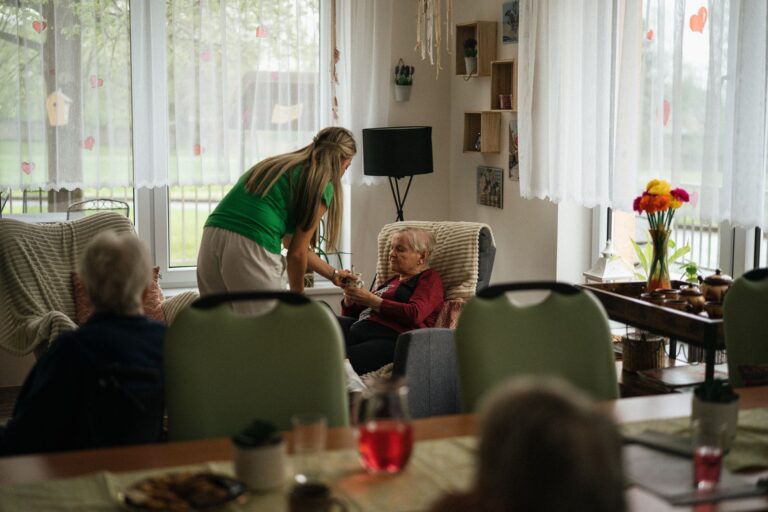
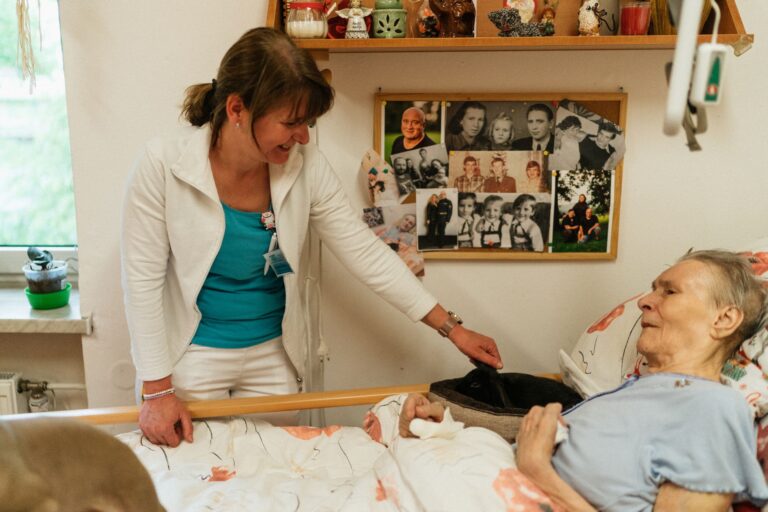
The support that matters most falls into several overlapping categories: personal care assistance (bathing, dressing, toileting), household help (cooking, cleaning, medication management), social engagement, medical oversight, and caregiver respite. In-home health aides can handle the physical tasks that often trigger placement—incontinence care, fall prevention, meal preparation—while also providing supervision that prevents dangerous wandering or medication errors. Adult day centers address the dual problem of keeping the person with dementia mentally engaged and stimulated while giving the primary caregiver essential breaks. Respite care—whether a few hours a week or overnight—is particularly powerful because caregiver exhaustion is one of the single largest drivers of nursing home admission; when a spouse or adult child knows they have scheduled relief, they’re far more likely to continue caregiving. Professional care coordination, often provided by geriatric care managers or social workers, adds another layer.
These professionals help families navigate the fragmented system, connect to community resources, anticipate problems, and adjust care plans as the disease progresses. A care manager might notice that falls are increasing at home and arrange for physical therapy and grab bars before a serious injury forces placement. They might identify that a person’s medication regimen is contributing to confusion and work with the doctor to simplify it. They might connect a low-income family with Medicaid-funded home care they didn’t know existed. This coordination work, which families often attempt alone and unsuccessfully, can extend home care by months or years.

Financial Barriers to Delaying Nursing Home Placement
Here’s the critical limitation: most support that delays placement is expensive, and insurance coverage is sparse. Private-pay in-home care costs $20–$30 per hour, meaning even 20 hours a week of care runs $400–$600 weekly—beyond the reach of many families. Medicare covers some home health (skilled nursing, physical therapy) but only after a hospitalization and only temporarily. Medicaid covers more generous in-home services, but eligibility is limited, state programs vary wildly, and waiting lists can be long. Adult day programs cost $60–$100 per day, adding up to $1,200+ monthly for part-time attendance.
Many families cobble together care—some hours purchased privately, some from family members working reduced hours, some unpaid labor from relatives—but this patchwork is unstable and unsustainable. The geographic problem is equally serious. Excellent home-based support services exist in urban areas and wealthy suburbs but are scarce in rural regions. A family in a metropolitan area might access a geriatric care manager, multiple day programs, and vetted home care agencies; a family in a rural county might have one small agency with limited availability and no care coordination services at all. This explains why nursing home placement rates are not evenly distributed: they’re higher in areas where home support infrastructure is weak and lower where it’s robust. A warning here: assuming that “support can delay placement” without examining what support actually exists in your community can lead families to delay important planning conversations until crisis hits.
How Caregiver Health and Burnout Shape the Decision to Place
The caregiver‘s own health and wellbeing is arguably as important as the support available to the person with dementia. A 58-year-old daughter caring for her mother with advanced dementia while working full-time and managing her own hypertension may physically and emotionally reach a breaking point despite access to care services. Caregiver depression, exhaustion, and health decline are common—one study found that family caregivers of people with dementia have a 63% higher mortality rate than non-caregivers—and at a certain point, the most ethical choice is placement, even if more support could theoretically extend home care. This is not a failure of either the family or the support system; it’s a recognition of human limits. Some support specifically targets caregiver health.
Caregiver support groups (peer groups, often free) provide emotional support and practical strategies that can renew motivation and energy. Respite care directly addresses burnout by forcing a break. Some health systems now offer caregiver coaching or counseling. These interventions do extend placement timelines, but they work best when they address the specific stressor burdening the caregiver. A support group may be transformative for someone struggling with guilt and isolation; it may be useless for someone whose parent’s aggressive behavior is causing personal injury. The specificity matters.

Home Modifications and Medical Management as Part of the Support Picture
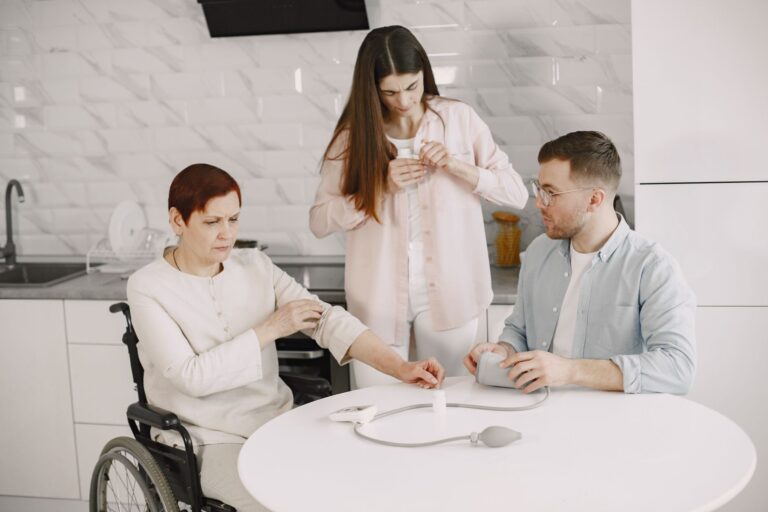
Beyond human services, environmental and medical adjustments can significantly extend safe home living. A home safety assessment that leads to grab bars, improved lighting, removal of fall hazards, and bathroom modifications might prevent falls that would otherwise necessitate placement. Medication management systems, alert devices, and monitoring technology add layers of safety that substitute for constant human presence—though technology is no replacement for human judgment and connection. A person with dementia wearing a GPS-enabled device and fall detector gives caregivers confidence that someone can respond quickly to problems, which changes the risk calculation about whether home care is feasible.
The comparison here is important: environmental supports and technology are cheaper than 24/7 human care but less effective. A $500 bathroom modification or a $30/month monitoring service is worth doing, but relying on them alone when more complex needs exist is risky. Some families see technology as either the complete solution or dismiss it as unhelpful; the reality is that it buys time and reduces acute risk but doesn’t replace human supervision of someone with severe cognitive decline. The tradeoff is that adding these supports does take planning and often upfront cost, so waiting until crisis forces decisions means missing the window for thoughtful implementation.
Medical Complexity and Advanced Disease Stages That Support Cannot Address
As dementia progresses, medical complications emerge that shift the equation. Advanced dementia often involves difficulty swallowing, aspiration risk, frequent infections, and difficulty communicating pain or symptoms. At this stage, even excellent in-home support may not be sufficient if the person needs skilled nursing assessment multiple times weekly, IV medications, feeding tube management, or complex wound care. The “better support” that delays placement in early and middle dementia may simply not exist for advanced cases, and attempting to provide it at home creates risk for both the person with dementia and the caregiver. A warning: some families pursue home care in advanced dementia for the right reasons (love, preference, normalcy) but without realistic understanding of what it entails.
Twenty-four-hour in-home skilled nursing is possible but extremely expensive ($10,000–$15,000+ monthly), and few families can sustain it long-term. There’s also the question of what kind of placement we’re discussing. A memory care assisted living community is different from a nursing home. Some people with dementia who cannot safely stay home can transition to assisted living with private caregivers supplementing facility care—a middle ground that delays or prevents nursing home entry. This option exists for families with resources but is not accessible to all, creating another layer of inequality in care outcomes.

The Role of Early Diagnosis and Planning in Support Effectiveness
The timing of when someone is diagnosed and when families begin to plan around home support matters enormously. Early diagnosis, even with mild cognitive impairment, opens a window for proactive planning: identifying a caregiver, arranging financial and legal documents, researching services, and building relationships with healthcare providers who understand dementia care. This advance planning allows support to be gradually increased as needs change, rather than scrambled together in crisis.
By contrast, families who learn of advanced dementia suddenly after a hospitalization or accident are forced into urgent placement decisions with limited options. One concrete example: a family that learns of early Alzheimer’s at age 72 might spend the next 5-7 years gradually building in-home support, modifying the home, and allowing the person to remain in familiar surroundings through middle stages. A family that doesn’t address dementia until age 78, after a severe infection or fall, often finds that effective home care is no longer feasible, and placement becomes necessary immediately.
Looking Forward—Policy and System Shifts That Could Expand Support Options
The current system leaves many families stranded between inadequate informal care and unavoidable institutional care. Some states and communities are experimenting with broader Medicaid coverage of home and community-based services, programs that bundle care coordination with in-home assistance, and models that pay family caregivers as formal workers. These policy shifts are slowly expanding access to the support that does delay placement, but progress is uneven.
At the individual level, families who can afford to invest time in research, navigate complex systems, and purchase private services when needed are far more likely to delay or prevent nursing home placement than families without those resources. This is a limitation and an inequity worth acknowledging. The research also suggests that future options may include assisted living communities designed specifically for dementia with better staffing ratios and specialized training, and home-based care models that combine professional oversight with family involvement. But these are still emerging and not universally available.
Conclusion
The answer to the title’s question is yes, but with significant caveats. Better support—specifically, in-home care assistance, adult day programs, respite care, care coordination, home modifications, and medical management—can meaningfully delay nursing home placement for people with dementia, particularly in early and middle stages of the disease. The evidence is strong that these services extend the time someone can safely remain at home and often improve both quality of life and outcomes for both the person with dementia and the caregiver.
However, access to these supports is unequal, dependent on geography, income, and the availability of a willing and able primary caregiver. As dementia progresses to advanced stages, even excellent support may become insufficient. The most realistic path forward is early planning, honest assessment of resources and caregiver capacity, gradual building of support as needs change, and willingness to make placement decisions that prioritize the wellbeing of both the person with dementia and the people caring for them. Support can delay placement; it cannot always prevent it, and it should not be pursued at the cost of caregiver health or safety.
Frequently Asked Questions
How long can good support realistically extend home-based care?
This varies widely, but research suggests that structured in-home support and day programs can extend the time at home by 1–4 years, depending on disease progression, caregiver health, and available services. There’s no fixed timeline.
What support should we arrange first if we want to keep a parent at home?
Start with a geriatric assessment and care plan from a doctor or care manager, then layer in in-home care hours for personal care tasks and household help, followed by adult day programming and respite care. These address both safety and caregiver sustainability.
Is in-home care affordable for most families?
No. Full-time in-home care at private rates is unaffordable for most middle-class families. Medicaid can cover it, but eligibility varies by state and waiting lists are long. Most families piece together a combination of family help, limited private pay hours, and available programs.
When should we stop trying to care for someone at home and consider placement?
Consider placement when 24/7 skilled nursing care is needed, when the person’s behavior or medical needs pose safety risks that in-home support cannot adequately address, or when the primary caregiver’s health is being seriously compromised. Placement is not a failure; it’s sometimes the right care choice.
Can technology like alert systems and GPS tracking prevent nursing home placement?
Technology can add safety and buy time, but it cannot replace human supervision and care. It’s a useful tool as part of a broader support plan, not a substitute for it.
Are there waiting lists for support services like day programs?
Yes. In many areas, particularly outside urban centers, waiting lists for Medicaid-funded services are long. It’s worth getting on lists early, even if you don’t need services immediately.
You Might Also Like
- What Families Face When They Promise to Keep a Loved One Home
- Why Avoiding Long-Term Care Can Be Harder Than Families Expect
- Can Home Care for Alzheimer’s Become Too Much?
Related reading
- can Neuroprotective Compounds Help Dementia Patients
- how Emerging Alzheimer’s Treatments Are Evaluated
- what Separates Promising Alzheimer’s Research From Proven Therapy
- why Patients Should Be Cautious About Experimental Dementia Treatments
- could New Alzheimer’s Drugs Help People Beyond Early Stages
For more on this topic, see Alzheimer’s Association.