Caregivers can use screening checklists, balance-and-strength exercise programs, and winter traction and home-safety fixes to lower fall risk this winter. The most useful starting point is a structured screen-assess-intervene routine paired with practical changes to shoes, lighting, and walking surfaces.
STEADI is the CDC's fall-prevention initiative for adults 65 and older. It gives caregivers a Screen-Assess-Intervene framework, including the 12-question Stay Independent screener and brochures on gait, medications, vision, feet, and home hazards, according to the CDC's STEADI overview. That structure helps caregivers spot risk early and match the person to exercise, medication review, and home changes.
Medical information disclaimer: This article is for general educational purposes only and does not provide medical advice, diagnosis, or treatment. Always consult a physician or other qualified health professional about symptoms, medications, tests, or treatment decisions.
Table of Contents
- How can you spot fall risk early?
- Which exercise and health steps matter most?
- What home changes help in winter?
- How should you handle ice, shoes, and walks outside?
How can you spot fall risk early?
Use the Stay Independent screener as a first check. It asks 12 questions about falls, balance, strength, medications, and daily tasks. A high score signals a need for follow-up with a clinician.
Ask about walking changes, dizziness, foot pain, vision problems, and home hazards. The CDC's STEADI materials give caregivers brochures on each topic. Bring the completed screener to the visit so the clinician can assess gait, review drugs, and set next steps.
Which exercise and health steps matter most?
American Geriatrics Society guidance endorsing World Falls Guidelines recommends balance plus strength exercise for older adults. It points to CDC- or NCOA-endorsed evidence-based programs where available. For a person with dementia, choose a supervised class with simple cues and a familiar caregiver present.
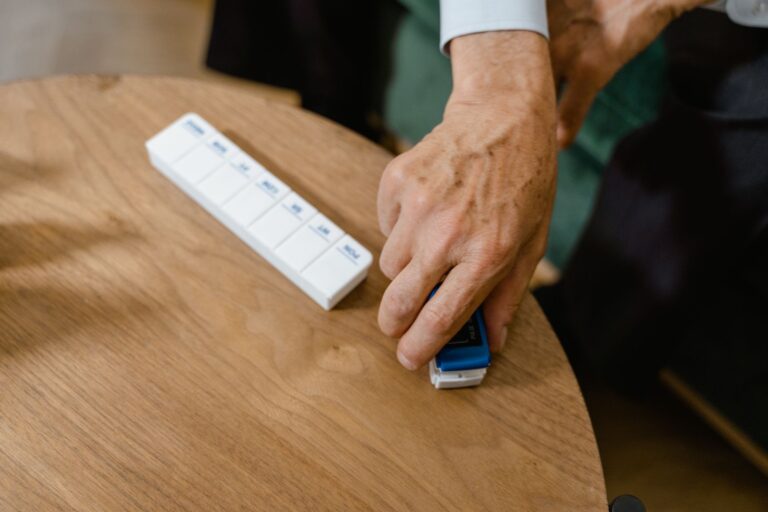
The CDC's STEADI algorithm directs clinicians to refer at-risk patients to evidence-based exercise such as Tai Chi, according to the CDC clinical algorithm. The same algorithm directs clinicians to optimize medications by stopping, switching, or reducing fall-risk drugs. Caregivers can help by listing all prescriptions, over-the-counter drugs, and sleep aids before the visit.
What home changes help in winter?
Dark stairs and wet entries become more dangerous in winter. The National Council on Aging advises caregivers to add grab bars in bathrooms and near outside steps, firm railings on both sides of stairs, and automatic lights over stairs and entrances, according to NCOA's winter fall-prevention guide. Place a sturdy bench near the door for putting on boots.
Check handrails for looseness and keep cords, clutter, and small rugs away from walkways. Use non-slip mats inside entrances for melting snow. Keep a flashlight, spare batteries, and deicer where the caregiver can reach them fast.
How should you handle ice, shoes, and walks outside?
Choose rubber-soled winter shoes with deep tread. The National Council on Aging advises winterizing shoes, boots, and assistive devices with rubber-soled winter shoes and spikeless ice-and-snow gripper sole covers for extra stability. Put grippers on before stepping outside and remove them on bare indoor floors. Clear snow and ice from walking surfaces and spread deicer quickly.
OSHA advises insulated water-resistant boots or rubber overshoes with good treads and short slow steps for winter walking, according to OSHA's winter weather guidance. Plan a daylight route, allow extra time, and use a cane or walker fitted for winter tips when needed. Winter traction aids help a large at-risk group but do not replace year-round medication, vision, exercise, and home-hazard work. CDC reports about 1 in 4 adults 65 and older falls each year and about 3 million emergency-department visits, as summarized by NCOA. Keep the exercise plan, medication list, vision checks, and home fixes going after the ice melts.