Reviewed by the Help Dementia Editorial Team — our editors review every article for accuracy against guidance from the National Institute on Aging, the Alzheimer’s Association, and peer-reviewed sources.
Keep home sits at the center of this question for families navigating dementia.
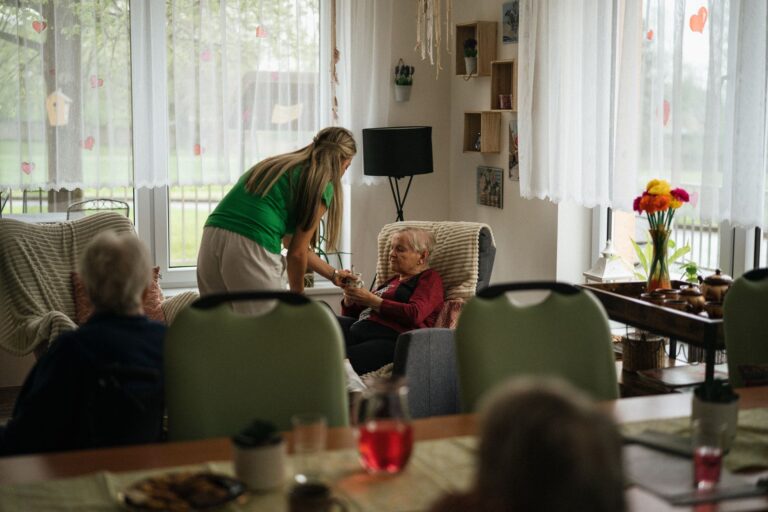
When families promise to keep a loved one with dementia at home, they’re committing to a level of physical and emotional labor that few fully anticipate. The reality is that home care for someone with advanced dementia can involve round-the-clock assistance with toileting, bathing, dressing, feeding, and managing behavioral changes—often while the primary caregiver works a job, manages household finances, and tries to maintain their own health. A wife caring for a husband with mid-stage Alzheimer’s might find herself lifting him out of bed multiple times nightly, cleaning up after incontinence episodes, and staying awake for 36 hours when he becomes agitated and confused, all while knowing that one fall or medical crisis could be unmanageable from home.
The promise to keep someone home is deeply rooted in love and often in cultural or religious values. But families quickly discover that this commitment comes with hidden costs: caregiver burnout that can lead to depression or even health emergencies, financial strain from lost work hours and medical supplies, and the guilt that comes when professional help is finally needed. The gap between the intention and what’s actually sustainable grows wider as dementia progresses.
Table of Contents
- How Quickly Dementia Care Demands Escalate Beyond What Families Expected
- The Invisible Toll on the Primary Caregiver’s Physical and Mental Health
- Managing Behavioral Changes and Safety Risks in a Home Environment
- Financial Strain and the Impossible Choice Between Work and Caregiving
- The Breaking Point: When Home Care Becomes Unsafe or Impossible
- The Reality of Finding and Affording Appropriate Alternatives
- Planning for the Inevitable While Your Loved One Is Still Able to Participate
- Conclusion
How a Home-Care Promise Becomes Harder Than Families Expected
Most families underestimate how rapidly dementia care needs intensify. A person who is independent one year may require full assistance with personal hygiene the next. The transition from occasional forgetfulness to someone who cannot safely use the bathroom alone, recognize family members, or remember they’ve already eaten happens in compressed timelines that feel shocking. A daughter who took a part-time job expecting to help her mother part-time finds herself calling out of work multiple times per week for medical appointments, behavioral crises, and falls.
The physical demands are often the first shock. Dementia doesn’t affect memory in isolation—it also affects balance, muscle control, and the ability to follow multi-step instructions. Helping someone bathe, use the toilet, and transfer from bed to chair requires training that most families don’t have. Many caregivers develop back injuries, wrist problems, or shoulder damage from years of assisting with these tasks. Unlike professional caregivers who use mechanical lifts and are trained in body mechanics, family members often use their own strength incorrectly, setting the stage for their own health crisis.

The Invisible Toll on the Primary Caregiver’s Physical and Mental Health
Dementia caregiving is one of the most stress-intensive caregiving situations, comparable to full-time healthcare work in its demand—except family caregivers have no shift change and no colleagues to share the burden. A caregiver might sleep only two to three hours per night because a loved one with sundowning (increased confusion and agitation at dusk) wanders, calls out, or becomes combative. Over weeks and months, sleep deprivation accumulates, and the caregiver’s immune system weakens, making them vulnerable to illness. They cannot afford to get sick, because there’s no backup plan.
Studies show that family dementia caregivers have significantly higher rates of depression, anxiety, and cardiovascular disease than non-caregivers of similar age. A caregiver who was once active might stop exercising, stop seeing friends, and stop attending medical appointments of their own. One man caring for his wife with dementia realized he hadn’t had a haircut in eight months because he couldn’t leave her alone long enough. The isolation intensifies the mental health impact: caregivers often feel unable to explain their situation to people outside the caregiving bubble, leading to profound loneliness even when surrounded by family.
Managing Behavioral Changes and Safety Risks in a Home Environment
As dementia progresses, behavioral and personality changes often emerge—sometimes the kindest person becomes verbally aggressive, or someone becomes paranoid and accuses caregivers of theft. These changes are symptoms of the disease, but they’re deeply painful for family members. A parent who doesn’t recognize their child anymore, or who becomes sexually inappropriate, or who accuses a devoted adult child of abuse—these situations strain family relationships in ways that home care settings weren’t designed to handle. Safety hazards accumulate.
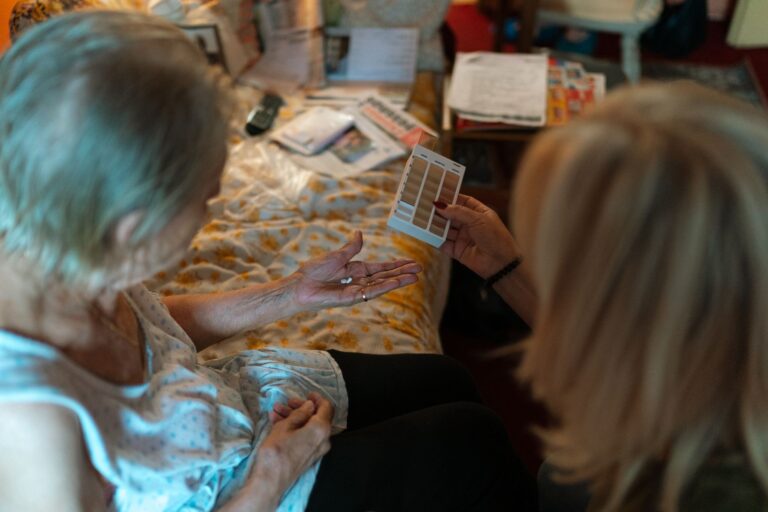
A person with dementia might leave the stove on and start a fire, or wander outside in winter without appropriate clothing. They might take too many medications or too many doses if they don’t remember whether they’ve taken their pills. Some families install locks and monitoring systems that begin to feel like containment rather than care. A son described installing child-proof locks on all cabinet doors in his mother’s home, which raised the question: at what point does a home become a managed environment rather than a place of freedom? The tension between safety and autonomy is never fully resolved.

Financial Strain and the Impossible Choice Between Work and Caregiving
Home care might seem cheaper than assisted living or nursing facilities, but the actual costs are substantial and often hidden. Adult day programs cost $50–$100 per day. Specialized diapers and incontinence supplies add up to $200–$300 per month. Grab bars, walk-in tubs, medical alert systems, and home modifications accumulate. Then there’s the opportunity cost: if a caregiver leaves a job earning $50,000 per year to provide full-time care, that’s a $50,000 annual loss, plus the loss of employer health insurance, retirement contributions, and future earning potential.
Some families try to manage by reducing work hours, but this often isn’t a stable compromise. Caregiving demands are unpredictable—a loved one might have a good day or a devastating crisis. One woman worked from home while caring for her mother-in-law, thinking she could balance both. She ended up working at night after her mother-in-law slept, which created a 20-hour workday that became unsustainable within months. The financial pressure can also force families to skip their own necessary medical care, delay home repairs, or postpone plans—all while the person they’re caring for requires increasing medical attention.
The Breaking Point: When Home Care Becomes Unsafe or Impossible
Nearly every family that promises to keep someone home encounters a moment when they realize they cannot safely do so. This moment might come suddenly—a fall that requires hospitalization, a UTI that causes acute confusion, an elopement (running away) attempt that reveals the person needs 24-hour supervision. Or it might accumulate slowly, with increasing medication errors, weight loss from missed meals, or skin breakdown from inadequate hygiene support. A daughter described the moment she realized her father was no longer safe at home: he’d soiled himself, forgotten to eat, and attempted to bathe his own medications instead of taking them. The professional assessment confirmed what she’d been dreading: he needed skilled nursing care.
The guilt that accompanies this realization is severe and often unresolved. Families experience this as a broken promise, a failure of love, a retreat from their commitment. Some family members struggle with guilt for years afterward, even when they rationally understand that professional care was necessary. The promise to keep someone home at all costs is sometimes a promise that cannot ethically be kept, because the “cost” includes the caregiver’s own collapse or the actual danger to the person with dementia. Families benefit from understanding early that this realization doesn’t represent failure—it represents the honest assessment of what’s safe and sustainable.

The Reality of Finding and Affording Appropriate Alternatives
Once families acknowledge that home care isn’t working, they face another challenge: finding appropriate care alternatives that are affordable and high-quality. A private-pay caregiver might cost $20–$30 per hour, which is $160–$240 per day for eight hours. Full-time care in an assisted living facility averages $4,000–$5,000 per month, while memory care units (specialized for dementia) can exceed $6,000–$8,000 per month in urban areas. Medicare doesn’t cover custodial care (which is what most dementia patients need), and Medicaid coverage varies widely by state.
Many families discover they’ve spent down savings faster than anticipated and now face difficult decisions about which care they can actually afford. The search for an appropriate facility is emotionally fraught. Families tour places and worry whether their loved one will be treated well, whether they’ll be overstimulated by other residents, whether they’ll deteriorate faster in an institutional setting. Some people do better in a facility setting because they receive proper nutrition, medication management, social engagement, and skilled oversight. Others genuinely seem to decline more rapidly away from home, which reinforces the guilt families already feel about the move.
Planning for the Inevitable While Your Loved One Is Still Able to Participate
The experience of families who handle this transition most successfully is that they plan early—ideally before a crisis forces the decision. This means having conversations with the person with dementia while they still have some capacity to understand and express preferences, starting advance directives, discussing finances and long-term care insurance, and researching options before desperation sets in. It also means realistic conversations with themselves about what level of care they can sustainably provide.
Some families discover that a hybrid approach works better than an all-or-nothing commitment to either home care or facility care. This might mean keeping a loved one at home with professional in-home caregivers three days per week, or moving to an assisted living facility but remaining intensely involved in daily care and advocacy. The most important shift is from viewing the move to facility care as a failure of the home care promise to viewing it as a necessary evolution of care that honors both the person with dementia and the family’s wellbeing.
Conclusion
Families who promise to keep a loved one with dementia at home face physical, emotional, and financial demands that often exceed what they anticipated. The promise is rooted in love and devotion, but it must be balanced against the reality of caregiver burnout, safety risks that escalate as dementia progresses, and the honest assessment of what any human being can sustainably provide. The families who navigate this most successfully are those who plan ahead, seek professional support early, and understand that changing course doesn’t represent a broken promise—it represents a mature reassessment of what’s safe and sustainable. If you’re facing this situation, know that your struggle is not exceptional—it’s the difficult reality that nearly every family of dementia patients confronts.
Connect with your doctor, a social worker, or a dementia care specialist early in the disease process. Seek respite care to protect your own health. Join a caregiver support group, whether in person or online. And begin having conversations about long-term care options before a crisis forces urgent, painful decisions. Your loved one deserves good care, and you deserve to remain well enough to provide it or to be an active partner in advocating for it.
You Might Also Like
- Why Avoiding Long-Term Care Can Be Harder Than Families Expect
- How Caregiving at Home Can Become Overwhelming
- Why a Protein Associated With Disease May Also Support Memory
Related reading
- why Caregiver Support Groups Matter
- could Alzheimer’s Walks Help Families Feel Less Alone
- what Awareness Events Do for Dementia Communities
- why Fundraising Walks Remain Important in Alzheimer’s Advocacy
- how Local Events Keep Dementia Research in Public View
For more on this topic, see NIH MedlinePlus — cognitive testing.