Conflict developments sits at the center of this dementia and brain health question.
Global stability is under considerable siege, according to leading experts tracking international conflicts and geopolitical tensions. Half of all experts surveyed anticipate a “turbulent or stormy world” over the next two years—a stark 14 percentage point increase from the previous year—and 28 out of 30 potential conflict scenarios are now judged highly or moderately likely to occur within the next 12 months. These developments matter profoundly for everyone, particularly older adults and those managing cognitive health, because prolonged anxiety about global instability can elevate stress hormones, disrupt sleep, and accelerate cognitive decline in vulnerable populations.
The rise in conflict concerns stems from multiple overlapping crises: geoeconomic confrontation has emerged as the top identified global risk, followed by interstate conflict, extreme weather events, societal polarization, and widespread misinformation. The Middle East alone hosts six of the world’s tier-one conflict priorities, while the Russia-Ukraine war continues to intensify despite peace efforts, and Africa accounts for the largest regional concentration of documented conflict contingencies. This article examines what’s driving these stability concerns, where the hotspots are located, and how the uncertainty itself affects mental and cognitive wellbeing.
Table of Contents
- What Are the Top Global Stability Threats Right Now?
- Regional Hotspots and Their Likelihood
- How Instability Affects Cognitive and Mental Health
- Deteriorating Multilateral Frameworks and What They Mean
- The Role of Misinformation in Amplifying Concerns
- Economic Consequences and Personal Planning
- What Comes Next—A Forward Look
- Conclusion
What Are the Top Global Stability Threats Right Now?
The landscape of global stability threats has shifted dramatically. Geoeconomic confrontation—meaning economic competition used as a weapon between rival powers—now ranks as the single most identified risk, followed closely by the potential for direct interstate military conflict. Behind these immediate threats, experts rank extreme weather events, societal polarization, and misinformation or disinformation campaigns as critical secondary concerns that amplify instability across multiple domains. The acceleration is striking: when experts were surveyed about their outlook for the next two years, 50% predicted either “turbulent” or “stormy” conditions.
This represents a 14 percentage point jump from the previous assessment period. To put this in perspective, that’s the difference between slightly optimistic odds and odds that explicitly anticipate significant disruption. The expert consensus isn’t just that conflict might happen—it’s that instability should be expected as the baseline condition, not the exception. For older adults managing chronic stress or early cognitive changes, this shift toward expecting turbulence rather than relative calm creates a psychological burden that shouldn’t be underestimated.
Regional Hotspots and Their Likelihood
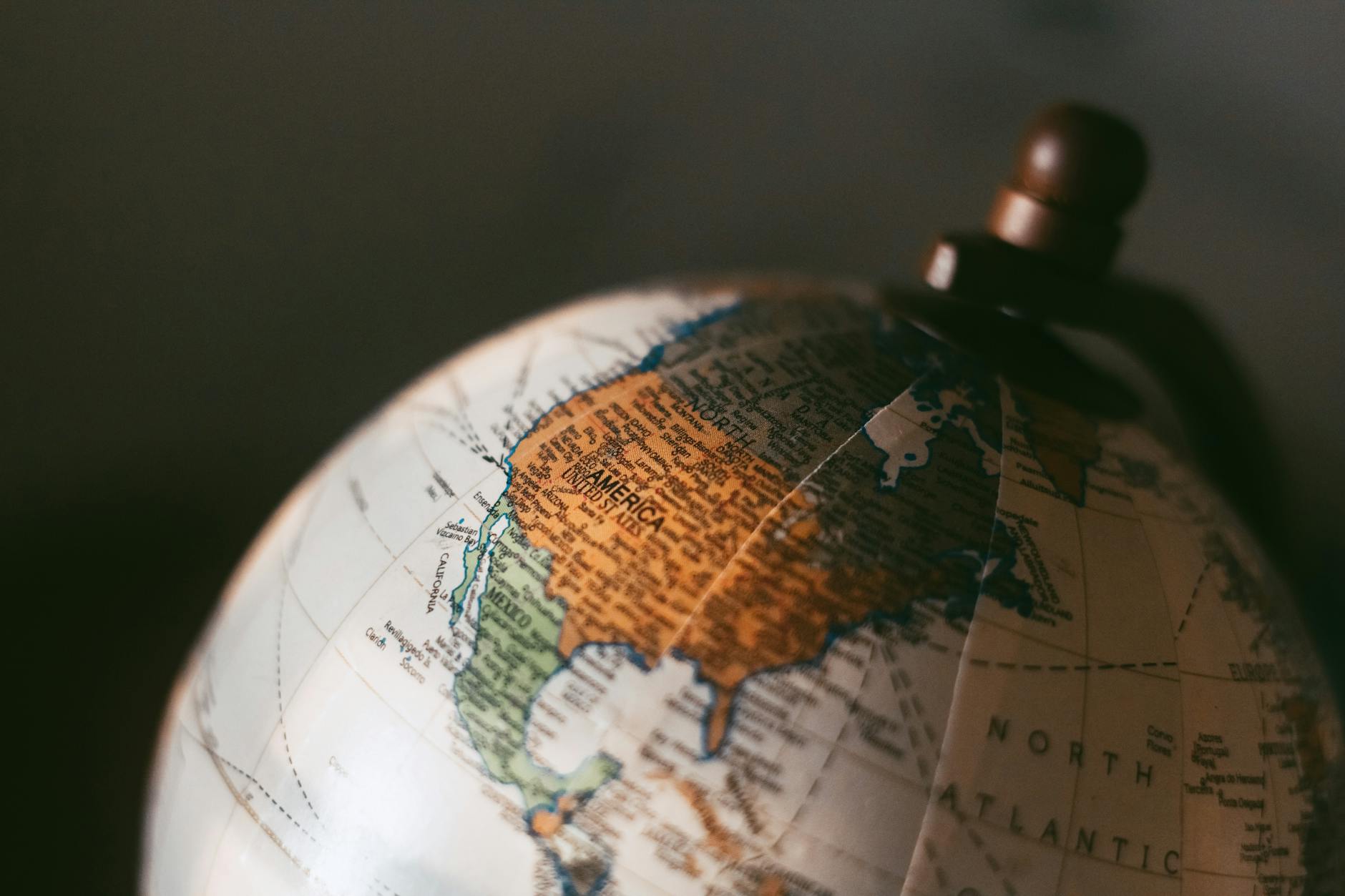
The Middle East represents the most concentrated zone of concern. Six separate conflicts in the region have been classified as tier-one or tier-two priorities by conflict analysts, and notably, all six involve Israel in some capacity. The Gaza Strip specifically has been assessed as facing “highly likely” renewed fighting between Israel and Hamas within the next 12 months. This is not speculation about distant possibilities—it reflects expert judgment that the conditions for resumed conflict are already substantially in place. The Russia-Ukraine war, despite ongoing U.S.-led peace efforts, is considered “highly likely” to intensify rather than stabilize.
Unlike some conflicts that may be de-escalating or moving toward negotiated settlements, the Ukraine situation is expected to worsen in expert assessments. Africa presents the largest regional concentration by sheer number, with nine documented contingencies involving African countries. However, the Middle East and Ukraine represent the scenarios that carry the greatest immediate risk of major-power involvement or catastrophic humanitarian consequences. A critical limitation to note: these likelihood assessments are made by analysts with imperfect information, and unexpected diplomatic breakthroughs or humanitarian interventions can alter trajectories. But when 28 of 30 surveyed conflicts are rated as moderately to highly likely, the baseline assumption must be preparedness for continued instability rather than hope for unexpected peace.
How Instability Affects Cognitive and Mental Health
Global instability isn’t merely a political or economic concern—it directly impacts the mental health and cognitive function of aging populations and people with dementia. Sustained anxiety about geopolitical conflict triggers the release of cortisol and adrenaline, hormones that, when chronically elevated, are known to accelerate cognitive decline, impair memory consolidation, and worsen anxiety disorders. For older adults already managing mild cognitive impairment or early-stage dementia, the added psychological burden of global uncertainty can measurably worsen symptoms.
Media consumption patterns amplify this effect. Older adults may find themselves caught in news cycles that emphasize conflict and instability, creating a feedback loop of anxiety that makes sleep more difficult—and poor sleep is itself a major risk factor for cognitive deterioration. The misinformation component adds another layer: exposure to false or exaggerated claims about conflicts can create a sense of helplessness and confusion, which particularly affects people with declining memory or executive function. Understanding this mechanism is important because it means that maintaining emotional stability and limiting exposure to worst-case narratives isn’t just about mental health; it’s a practical cognitive health strategy for this age group.
Deteriorating Multilateral Frameworks and What They Mean
As conflicts have multiplied, the systems designed to prevent and manage them have simultaneously weakened. Multilateral frameworks—the international agreements, organizations, and cooperative mechanisms that once managed global tensions—are visibly deteriorating. Governments are retreating from cooperative mechanisms at the very moment when coordinated global action is most needed. This creates a vicious cycle: as cooperation declines, actors become less predictable; as predictability declines, trust erodes further; and as trust erodes, the incentive to seek cooperative solutions diminishes. This has a direct implication for the forecast: without functioning multilateral systems to channel disputes, conflicts that might historically have been contained through negotiation or international pressure are more likely to escalate.
Compare this to the Cold War period, when the United States and Soviet Union, despite profound rivalry, maintained communication channels and agreed on certain mutual interests (like avoiding nuclear war). Today’s environment has more actors, less structure, and fewer agreed-upon red lines. The tradeoff of a more multipolar world is that power is more diffused but also less predictable. For individuals anxious about global stability, understanding that instability flows partly from institutional breakdown—rather than inevitable human nature—can be clarifying. It means the problem is structural and potentially fixable, not hopeless.
The Role of Misinformation in Amplifying Concerns
Misinformation and disinformation have been identified by experts as one of the top five global stability risks, and their impact deserves particular attention. False narratives about conflicts, exaggerated reports of escalation, and deliberate propaganda campaigns can trigger panic or despair in ways that accurate information about genuine threats might not. Older adults and people with cognitive changes are statistically more vulnerable to misinformation because they may lack the cognitive resources to fact-check rapidly, or they may encounter false claims from trusted social networks that seem credible. A critical warning: consuming high volumes of conflict news during periods of genuine instability can create a distorted picture of risk.
The most dire scenarios tend to get the most attention, while the many ways that conflicts are contained, de-escalated, or fail to spread are underreported. This creates a psychological bias toward catastrophizing. For individuals managing dementia or seeking to maintain cognitive health, establishing boundaries around news consumption—such as checking credible sources once daily rather than continuously—is a protective measure. The global instability is real, but the additional anxiety generated by constant exposure to unverified claims about that instability is avoidable.

Economic Consequences and Personal Planning
Geoeconomic confrontation—where economic tools like sanctions, supply chain disruptions, and trade restrictions are weaponized—creates real financial uncertainty that compounds anxiety. These tensions can affect healthcare costs, medication availability, and the economic stability of long-term care arrangements. For families planning for dementia care or managing resources for aging relatives, economic instability adds a planning challenge that goes beyond the typical calculations of care costs.
However, economic instability often unfolds gradually, providing time for adaptation and planning. Unlike a sudden military conflict, geoeconomic tensions typically create warning signs: currency fluctuations, supply chain reports, and trading partner restrictions. Families concerned about stability should focus on ensuring that essential medications and care arrangements have some redundancy—multiple pharmacies, clear backup care plans, and diverse financial assets rather than concentrating resources in any single currency or institution. This isn’t catastrophizing; it’s the same prudent diversification that financial advisors recommend during uncertain times.
What Comes Next—A Forward Look
The 2026 stability assessment suggests that instability should be expected as the baseline condition for the foreseeable future, rather than as a temporary spike that will soon normalize. This has implications both for global policy and for how individuals and families plan. The trajectory isn’t toward resolution of conflicts or restoration of multilateral cooperation in the near term; instead, experts anticipate continued geoeconomic competition, regional hotspots remaining volatile, and information environments remaining contested.
For individuals and families, this forward-looking reality argues for building resilience rather than waiting for stability to return. Resilience includes things like maintaining social connections, staying physically active, pursuing cognitively stimulating activities, and establishing reliable information sources. These practices support brain health regardless of external circumstances, and they become especially important during periods of high ambient uncertainty. The global situation will likely remain complex, but personal cognitive and emotional health can be protected through consistent, grounded practices.
Conclusion
Global stability is genuinely under pressure, with 50% of experts expecting turbulent conditions over the next two years and 28 of 30 potential conflicts rated as moderately to highly likely to occur. Regional hotspots in the Middle East, Ukraine, and Africa represent the most serious immediate concerns, and the deterioration of multilateral frameworks means that these conflicts have fewer structural safeguards against escalation.
For older adults and people managing cognitive health, the challenge is not to ignore these real developments but to engage with them without allowing chronic anxiety to undermine brain health. The concrete steps are to stay informed through credible sources, limit exposure to sensationalism and unverified claims, maintain routines and social connections that support cognitive function, and work with family or caregivers to build some redundancy into essential arrangements. The world’s instability is real, but your ability to manage stress, maintain cognitive health, and live meaningfully is entirely within your control.
You Might Also Like
- Gas Price Increases Raise Concerns for Summer Travel
- Conflict Escalation Raises Concerns Over Wider Impact
- Missile Strike Fallout Raises Concerns Over Defense Readiness
For more, see NIH MedlinePlus — cognitive testing.