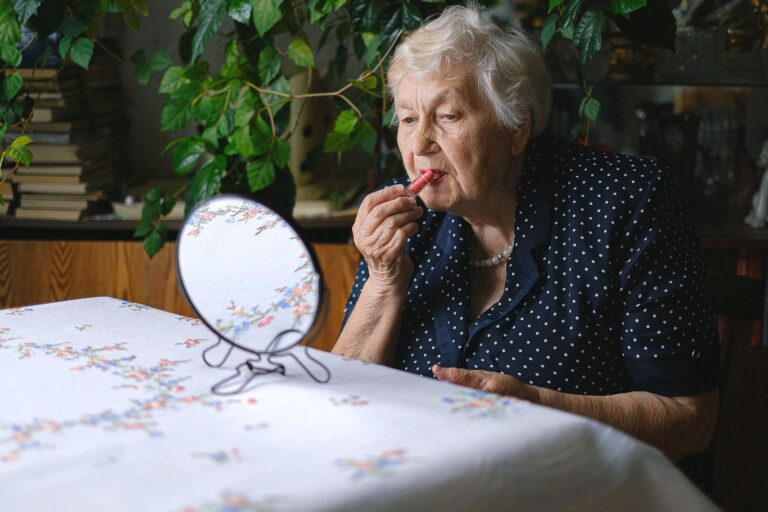
Weather extremes are directly linked to increased health risks, and the evidence is sobering. Between 1995 and 2024, extreme weather events killed more than 832,000 people worldwide and caused $4.5 trillion in direct economic damage. The stakes have risen sharply in recent years: heat-related deaths in the United States increased 53% between the 2000s and 2010s, jumping from an average of 2,670 deaths annually to over 4,000. For older adults aged 65 and above, the increase has been even steeper—an 85% rise in heat-related mortality when comparing 2000–2004 to 2017–2021. This isn’t a distant threat; it’s happening now, with 2025 remaining far hotter than almost any other year on record.
This article examines how weather extremes trigger acute and chronic health conditions, why certain populations face greater danger, and what the projections tell us about the years ahead. For families caring for older relatives or those managing dementia and cognitive decline, extreme weather presents additional challenges. Thermoregulation—the body’s ability to maintain a stable internal temperature—becomes less reliable with age and is often impaired in people with neurodegenerative diseases. A heat wave that a younger adult might tolerate can become life-threatening for someone in their 80s or someone with Alzheimer’s disease. Understanding these risks is essential for anyone responsible for vulnerable individuals during seasonal extremes.
Table of Contents
- How Extreme Weather Directly Affects Mortality and Health Outcomes
- Heat Extremes and Why Older Adults Face Disproportionate Risk
- The Neurological Connection—Heat, Cold, and Cognitive Function
- Vulnerable Populations and Demographic Patterns in Weather-Related Deaths
- Secondary Health Effects—From Flooding to Vector-Borne Illness
- The 2025 Reality—Extreme Weather is Accelerating, Not Stabilizing
- Climate Attribution, Future Outlook, and Personal Preparedness
- Conclusion
- Frequently Asked Questions
How Extreme Weather Directly Affects Mortality and Health Outcomes
The global death toll from extreme weather is staggering. Between 1970 and 2021, extreme weather events caused approximately 2 million deaths across 12,000 recorded disasters, with economic losses totaling $4.3 trillion. These are not freak occurrences; they are part of an accelerating pattern driven by climate change. Heat has emerged as the single deadliest extreme weather hazard, with 278,395 heat-related fatalities identified in global records. The World Health Organization reports that roughly 489,000 heat-related deaths occur annually when averaged across 2000–2019, with 45% occurring in Asia and 36% in Europe. This means heat-related mortality has increased 30% over the past two decades alone.
Heat stress triggers multiple pathways to illness and death, affecting the cardiovascular system, metabolic function, and cognitive performance. Extreme heat exacerbates existing heart disease, diabetes, asthma, and mental health conditions. It also increases the risk of injuries—dehydration impairs judgment, heat exhaustion causes confusion, and falls become more likely. Additionally, warm temperatures accelerate the transmission of infectious diseases like dengue fever and malaria. Cold exposure presents a different but equally serious threat, linked to cardiovascular, respiratory, and metabolic disease deaths. In the United States, cold-related deaths increased 7% between the 2000s and 2010s, rising from 44,000 to 47,500 annually. While less deadly than heat overall, cold poses persistent risk throughout winter months.

Heat Extremes and Why Older Adults Face Disproportionate Risk
Heat-related mortality among people 65 and older has surged 70% over two decades, a rate far exceeding the general population. Research shows that 85% increase in heat deaths for this age group when comparing 2000–2004 to 2017–2021. Several physiological factors explain this vulnerability: aging reduces the body’s ability to sense temperature changes and to sweat efficiently. Medications commonly prescribed to older adults—including diuretics for blood pressure, anticholinergics for various conditions, and some psychiatric medications—interfere with heat dissipation. Cognitive impairment, whether from dementia, stroke, or other causes, further reduces the ability to recognize warning signs like dizziness or confusion and to take protective action like drinking water or moving to a cool space.
The tragedy is that these deaths are often preventable. However, even with awareness and resources, some barriers persist. A homebound older adult without air conditioning faces genuine danger during a heat wave, as does someone with advanced dementia who cannot communicate thirst or thermal discomfort. An older person living alone may not have anyone checking on them during extreme heat. Social isolation and living situations with limited ventilation or cooling create trap conditions. For individuals managing multiple chronic illnesses alongside heat exposure, the compounding effects can be fatal within hours.
The Neurological Connection—Heat, Cold, and Cognitive Function
For readers focused on brain health and dementia care, the neurological impact of temperature extremes warrants specific attention. The human brain is highly sensitive to temperature fluctuations. Heat stress can trigger acute encephalopathy (brain inflammation), worsen existing cognitive impairment, and accelerate confusion and delirium in people with dementia. People with Alzheimer’s disease or Lewy body dementia show reduced thermoregulation even at baseline; extreme heat pushes them over a dangerous threshold more quickly than it would affect cognitively intact peers. Some research suggests heat stress may exacerbate amyloid and tau pathology, the hallmark proteins associated with Alzheimer’s disease, though this remains an active area of investigation.
Cold exposure also affects cognition and behavior. Hypothermia—when core body temperature drops below 95°F (35°C)—causes confusion, loss of coordination, and paradoxically, feeling warm (called “paradoxical undressing”). Older adults and people with dementia are more prone to hypothermia because they may not notice gradual temperature loss and may lack the mobility to seek warmth. Additionally, cold triggers vasoconstriction, which reduces blood flow to the brain and can worsen cognitive symptoms in the short term. The combination of cognitive impairment and temperature extremes creates a feedback loop: the person cannot adapt behavior to protect themselves, and the physiological stress on the brain worsens their function.
Vulnerable Populations and Demographic Patterns in Weather-Related Deaths
Certain groups face heightened risk from weather extremes beyond age alone. Research shows that women, widowed individuals, and divorced individuals experience higher cold-related mortality. The reasons are multifaceted: women on average have lower body mass and less muscle, which generate less heat; social isolation reduces the likelihood of someone checking in during extreme weather; and economic disparities mean some people cannot afford adequate heating or cooling. Low-income households are more likely to live in housing with poor insulation, limited air conditioning, or unreliable utilities.
Globally, 3.6 billion people live in areas highly susceptible to climate change impacts. Paradoxically, low-income countries and regions that contribute least to greenhouse gas emissions experience the harshest health impacts. A comparison illustrates this injustice: wealthy nations with robust health infrastructure and resources to manage heat waves still experience excess deaths, but these deaths cluster among the economically marginalized within those countries. Developing nations with limited resources face compounded challenges of heat, water scarcity, malnutrition, and weak health systems—a convergence that amplifies mortality. Research confirms that 37% of heat-related deaths are attributable to human-induced climate change, meaning that a portion of each heat death represents a preventable consequence of greenhouse gas emissions accumulated by high-income economies.
Secondary Health Effects—From Flooding to Vector-Borne Illness
Extreme weather encompasses more than just heat and cold. Heavy rainfall and flooding cause direct injuries, but also lead to contaminated water supplies, increased risk of waterborne infectious and parasitic diseases, respiratory illness from mold and water damage, and cardiovascular strain from the stress and physical demands of evacuation and recovery. Severe storms damage homes, disrupt electricity (affecting medication storage and medical devices), and create psychological trauma. Droughts reduce food security and water availability, leading to malnutrition and dehydration. Wildfires produce air pollution with fine particulate matter (PM2.5), which penetrates deep into the lungs and crosses into the bloodstream, triggering inflammation and worsening heart and lung disease.
One critical limitation of climate adaptation efforts is that while technological solutions exist—better building insulation, early warning systems, air-conditioned cooling centers—they require infrastructure investment and equitable distribution. A person with dementia living in rural areas may not have access to cooling centers even if they exist in a nearby city. Public health messaging about heat danger or cold safety may not reach people who are socially isolated, homebound, or non-English speaking. Similarly, disaster preparedness assumes a level of cognitive function and physical ability that people with advanced dementia or severe mobility impairment do not possess. Effective protection requires not just warning systems, but social systems that can reach and assist the most vulnerable.

The 2025 Reality—Extreme Weather is Accelerating, Not Stabilizing
The year 2025 has so far proven far hotter than almost any year on record, with 2024 being slightly hotter still. According to analysis of extreme weather events in 2025, heatwaves, floods, storms, droughts, and wildfires have claimed lives and destroyed communities across at least 22 documented events. This is not a year-to-year anomaly but part of a trend. The World Health Organization projects an additional 250,000 deaths per year attributable to climate change by the 2030s, stemming from malaria, coastal flooding, diarrheal disease, and heat stress. These projections assume that greenhouse gas emissions continue on current trajectories; more aggressive emissions reductions would lower that figure.
What matters for individuals and families is that extreme weather events are becoming more frequent, more intense, and more prolonged. The summers are not just hotter; heat waves persist longer. Winters in many regions are more unpredictable—sudden cold snaps after warm spells are harder on the body than consistently cold seasons. Flooding events are heavier. This trend will continue for decades because greenhouse gases already in the atmosphere will drive warming for years to come, even if emissions stopped tomorrow. For caregivers of older adults or people with dementia, planning for heat and cold extremes is no longer optional; it is essential infrastructure for safety.
Climate Attribution, Future Outlook, and Personal Preparedness
A significant finding from recent climate research is that we can now quantify how much of current weather extremes are driven by human-induced climate change. Approximately 37% of heat-related deaths are attributable to anthropogenic climate change—meaning that more than one-third of these deaths would not occur in a world without greenhouse gas emissions. This attribution gives moral clarity to the problem: these deaths are preventable if we reduce emissions. However, even with rapid global decarbonization, decades of warming are already committed due to atmospheric CO2 already present.
Adaptation—making ourselves more resilient to the weather extremes we will experience—is therefore as urgent as mitigation. Looking forward, the outlook depends on action taken in the next few years. The WHO, World Bank, and scientific consensus all emphasize that weather-related health risks can be substantially reduced through a combination of emissions reduction, public health infrastructure, social support systems, and individual preparedness. For families managing the care of older relatives or people with dementia, this means evaluating current cooling and heating resources, identifying backup plans if utilities fail, ensuring regular contact and check-ins during extreme weather, and working with healthcare providers to understand how specific medications or conditions affect heat and cold tolerance. Community-level efforts—like opening cooling centers, ensuring vulnerable populations have access to them, and funding research on temperature-sensitive neurological conditions—are equally vital.
Conclusion
Weather extremes lead to increased health risks through multiple pathways: direct heat stress and cold exposure, worsening of chronic diseases, increased infection risk, disrupted access to care, and profound psychological toll. Older adults and people with cognitive impairment face disproportionate danger because aging and dementia impair the body’s temperature regulation and the person’s ability to recognize and respond to danger. Between 1970 and 2021, extreme weather caused 2 million deaths and $4.3 trillion in economic losses; that toll is accelerating. The data shows unambiguously that this is not a future crisis but a present one, with heat-related deaths increasing 53% in the United States in recent decades and deaths among those 65+ surging 85% in just 17 years.
The path forward requires action at multiple levels: reducing greenhouse gas emissions to slow further warming; investing in public health infrastructure like cooling centers, early warning systems, and home weatherization programs; supporting caregiver networks so vulnerable people are not left alone during extremes; and ensuring that healthcare providers understand the specific risks faced by older patients and those with neurological conditions. For families, the most immediate step is to assess current preparedness—having a heat emergency plan, ensuring accessible cooling, maintaining medication storage in safe conditions, and arranging regular contact during extreme weather. Weather will remain extreme for decades to come. How we respond determines whether those extremes become a public health catastrophe or a challenge we manage together.
Frequently Asked Questions
At what temperature does heat become dangerous for older adults?
Heat becomes physiologically stressful at 95°F (35°C) or higher, but danger is individual. Older adults experience heat stress more readily due to reduced sweating and cardiovascular regulation. People on certain medications (diuretics, anticholinergics) or with conditions like dementia are at risk at lower temperatures. If an older person shows signs of confusion, dizziness, or rapid heart rate during warm weather, cool them immediately and seek medical help.
Can air conditioning fully protect someone from heat-related illness?
Air conditioning is highly protective but not absolute. It requires reliable electricity, which can fail during the heat waves that also cause demand surges. People must also be able to access the cool space—someone with severe immobility or advanced dementia may need assistance. Additionally, inadequate hydration or certain medications can still cause heat illness even in air conditioning. Air conditioning is essential but should be paired with other precautions like regular hydration and medical oversight.
Are cold-related deaths increasing or decreasing?
Cold-related deaths increased 7% in the United States between 2000–2009 and 2010–2020, rising from 44,000 to 47,500 annually. While this increase is smaller than the heat increase, it represents a concerning trend. Cold deaths are less publicized than heat deaths but remain a significant cause of mortality, especially among older, isolated, or economically disadvantaged populations.
How does dementia increase vulnerability to weather extremes?
Dementia impairs thermoregulation (the brain’s temperature control), reduces the person’s ability to recognize discomfort or danger, and limits their capacity to take protective action like seeking cool shelter or adding layers. Additionally, many dementia medications affect temperature sensitivity. Behavioral changes—wandering outside in extreme heat or cold, refusing to change clothing, or forgetting to drink water—compound the risk. Caregivers must provide proactive protection rather than relying on the person’s own judgment.
Is 37% of heat deaths truly preventable by addressing climate change?
Yes, research attributes 37% of current heat-related deaths to human-induced climate change. This means that in a world without greenhouse gas emissions from human activity, approximately 37% fewer heat deaths would occur. However, this does not mean emissions reduction is a complete solution for current excess deaths; adaptation measures like cooling centers, early warning systems, and social support are needed immediately. Emissions reductions prevent future deaths and limit the magnitude of future climate change.
What should a caregiver do if an older person with dementia shows signs of heat exhaustion?
Move them to a cool environment immediately, offer water if they can swallow safely, apply cool compresses to the neck and wrists, and call emergency services if confusion persists, breathing becomes difficult, or they lose consciousness. Do not assume they will improve on their own. Heat exhaustion can rapidly progress to heat stroke, which is a medical emergency. Prevention—maintaining cool environments, ensuring hydration, and limiting sun exposure—is far better than emergency treatment.