Calm Christmas activities that reduce agitation are structured sessions of familiar Christmas music, simple hands-on holiday tasks, and short visits with quiet breaks. Agitation means restlessness, aggression, or emotional distress that can rise with noise, crowds, and broken routines. A comparative review found non-drug approaches beat medication for aggression and agitation, with outdoor activities, multidisciplinary care, and massage or touch with or without music producing large reductions, according to the American Academy of Family Physicians. That finding points Christmas plans toward calm engagement rather than more stimulation.
Medical information disclaimer: This article is for general educational purposes only and does not provide medical advice, diagnosis, or treatment. Always consult a physician or other qualified health professional about symptoms, medications, tests, or treatment decisions.
Table of Contents
- Why does familiar Christmas music help?
- Which hands-on tasks keep them included?
- How should you decorate for calm and safety?
- How do you plan visits that stay calm?
Why does familiar Christmas music help?
Playing familiar Christmas music in at least five structured sessions probably slightly reduces depressive symptoms and may improve overall behavioral problems at end of treatment, according to the Cochrane review on music-based therapeutic interventions. Use songs the person knew in younger years, play them at a steady volume, and keep each session calm and predictable.
In a six-week trial of 42 nursing-home residents with moderate or severe dementia, agitation disruptiveness fell during individual music therapy but rose during standard care, according to the Aalborg University trial report by Ridder and colleagues. The difference was -6.77, p=0.027, a medium effect of 0.50.
Which hands-on tasks keep them included?
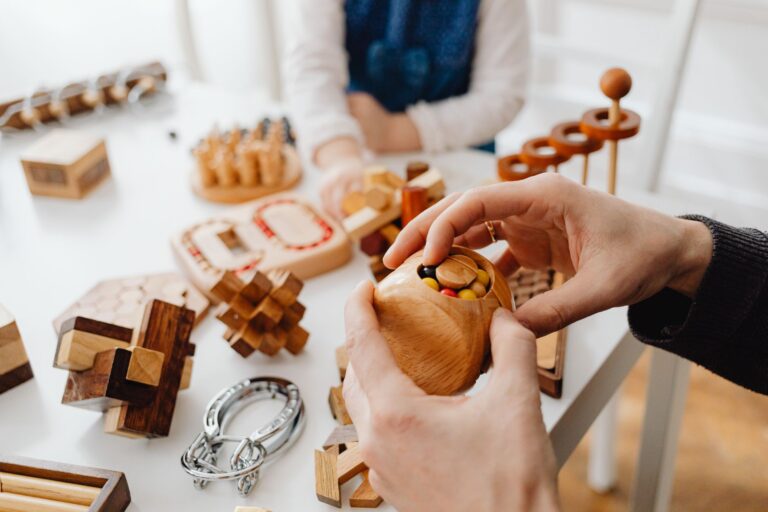
Involving the person in safe, manageable holiday tasks keeps them engaged and reduces distress from exclusion, according to the Alzheimer's Association. Offer one clear job at a time, such as stirring batter, folding napkins, wrapping a package, or setting the table.
- Pick tasks with few steps and no sharp tools, heat, or small parts.
- Work side by side, give short instructions, and accept their pace.
- Praise effort, not speed or neatness.
- Stop before tiredness sets in and switch to listening or watching.
How should you decorate for calm and safety?
Avoiding confusing or overstimulating decorations prevents confusion, falls, and fire risk, according to Alzheimer's Association and National Institute on Aging tips. Skip candy or artificial fruit that can be mistaken for food, and skip blinking lights that can overstimulate.
Secure the tree so it cannot tip, keep cords out of walking paths, and keep lights and candles out of reach or flameless. Keep one familiar room largely unchanged so the person has a steady place to rest.
How do you plan visits that stay calm?
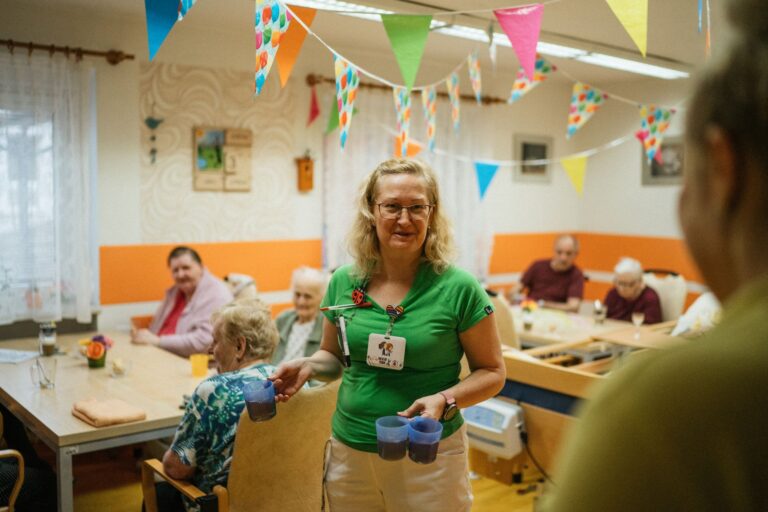
Planning short visits when the person is at their best, limiting simultaneous visitors, keeping routines, and providing a quiet recharge room with calming music reduces Christmas confusion and anxiety, according to the National Institute on Aging. Invite a few people at a time, keep meals and sleep times steady, and watch for early signs of fatigue.
Preparing quiet distractions gives caregivers an immediate de-escalation tool if the person becomes upset or overstimulated, according to the National Institute on Aging. Keep family photos nearby, offer cracking nuts together, or take a short walk. In a trial of 94 nursing-home residents, both music therapy and general recreational activities reduced agitation for hours after sessions, with no significant difference between groups, so shared calm attention may matter as much as the exact activity.