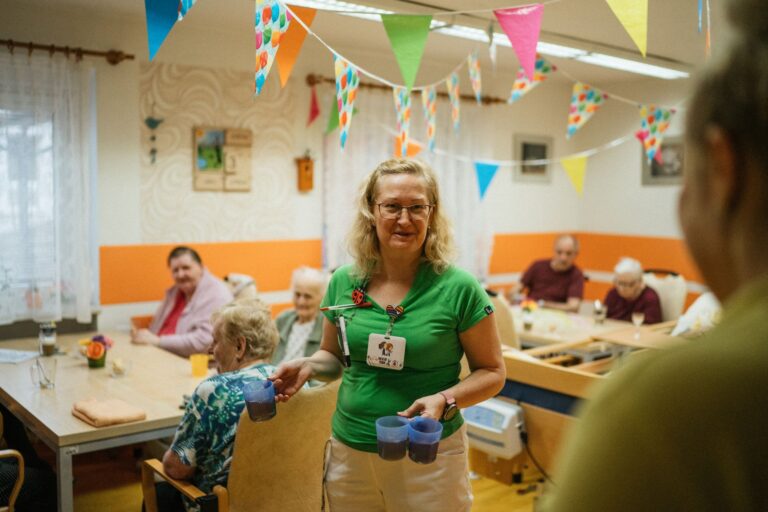
Support dementia caregivers during the holidays by offering specific, practical relief and helping keep plans calm and flexible. A dementia caregiver is a family member or friend who provides ongoing help to a person living with memory loss and thinking changes.
Holiday strain is common. In the University of Michigan National Poll on Healthy Aging, 78% of dementia caregivers called caregiving stressful and 66% said it interfered with their own life and work, including 27% who neglected their own health needs. An October 2026 AARP out-of-pocket costs study reported family caregivers spend an average of $11,508 per year, up from $7,242 in 2021, with housing and medical costs driving most spending.
Medical information disclaimer: This article is for general educational purposes only and does not provide medical advice, diagnosis, or treatment. Always consult a physician or other qualified health professional about symptoms, medications, tests, or treatment decisions.
Table of Contents
- Reset expectations before the season starts
- How can visits feel familiar and calm?
- Offer help that actually helps
- Watch stress, money, and backup support
Reset expectations before the season starts
The Alzheimer's Association advises families to adjust holiday expectations, hold a group discussion about plans, tell others about dementia-related changes, and let caregivers do only what can be managed safely, as described in the Association's holiday guidance. That early talk prevents last-minute pressure to host, travel, cook elaborate meals, or attend every event.
Keep the person's routine near normal. The National Institute on Aging advises caregivers to set clear limits, keep routine steady, limit visitors at one time, avoid crowds and routine changes, and create a quiet retreat with calming music or familiar activities, according to the Institute's holiday hints for caregivers. A shorter visit, a familiar mealtime, and a planned rest break protect both caregiver and person with dementia.
How can visits feel familiar and calm?
Prepare the person with dementia ahead of time. National Institute on Aging guidance recommends showing photos of visitors about a week before, explaining who they are, and arranging a brief phone call beforehand so faces and expectations feel familiar. During gatherings, limit noise and numbers. Stagger visitors instead of crowding the living room, keep television and background chatter low, and keep a spare bedroom or den available as a quiet retreat.
Familiar music, a blanket, a photo album, or a simple activity can ease restlessness. Involve the person in safe, manageable ways. The Alzheimer's Association recommends involving the person living with dementia in safe activities such as wrapping gifts, packing cookies, setting the table, or observing preparations, with focus on enjoyment rather than completed tasks. Let imperfect wrapping and slow progress be part of the fun.
Offer help that actually helps
Vague offers often add work for caregivers. Practical holiday support means offering specific relief: calling before visiting, helping with errands, meals, transportation or housework, sitting with the person so the caregiver can rest, and suggesting hotel stays for overnight guests, according to Wisconsin Alzheimer's Institute holiday strategies. Name the task, day, and time.
Useful offers sound like this: Call before stopping by, even briefly. Ask about best visit times, illness, naps, parking, and food needs. Leave if the person seems tired or overstimulated, and follow the caregiver's lead on touch, photos, and gifts.
- I can sit with Mom Saturday from 2 to 5 so you can nap or shop.
- I can bring dinner Tuesday, with no visit needed.
- I can drive Dad to his appointment Thursday.
- I can handle grocery pickup and laundry this weekend.
- For overnight stays, I booked a nearby hotel to keep the house quiet.
Watch stress, money, and backup support
Holiday costs land on top of year-round caregiving costs. With housing and medical spending driving caregiver outlays higher since 2021, gifts, travel, and hosting can create added pressure. Low-cost help matters: shared potluck meals, free childcare swaps, rides, and chore help reduce spending without reducing care. Take caregiver health limits seriously.
The Michigan findings reflect self-identified caregivers ages 50 to 80 in a sample of 2,131 people, so they capture older caregivers' experience but not all ages or care situations. Younger caregivers, working caregivers, and long-distance caregivers may face different pressures around time, childcare, travel, and missed work. Keep one backup number handy. The Alzheimer's Association operates a free 24/7 Helpline at 800-272-3900, staffed year-round by specialists and master's-level clinicians for dementia information, care planning, crisis help, and local referrals, as listed in the Association's helpline resource. Save it in your phone before holiday travel, schedule changes, or late-night worry.