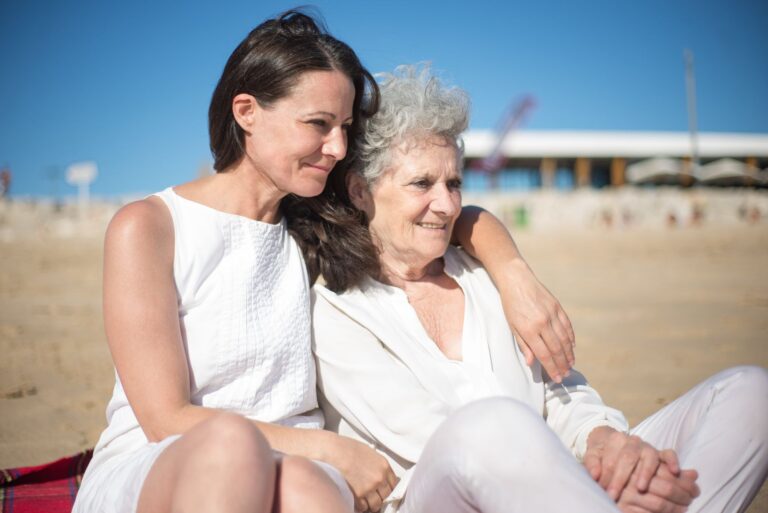
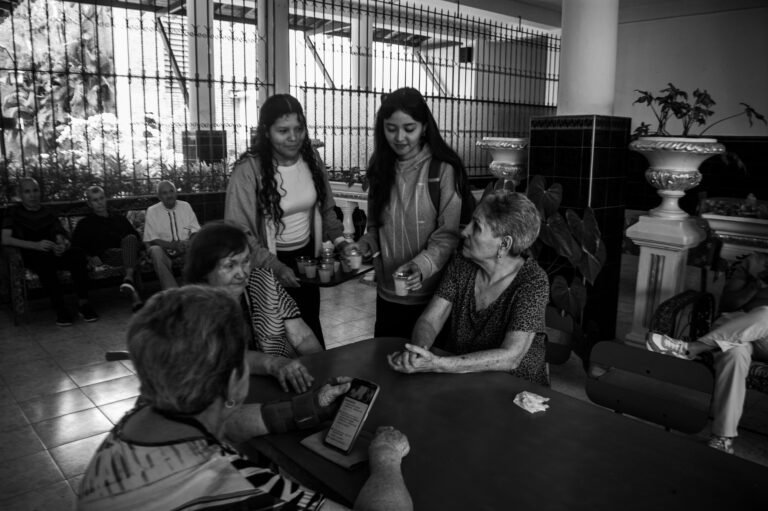
The best activities for caregivers to share with grandchildren over Christmas are sharing family stories and rituals, reading holiday books, baking, simple decorating and gift-wrapping, and volunteering together. These activities build connection across generations while letting the person with dementia join at a comfortable level. Protective reminiscence means recalling warm memories to support identity and mood. Caregivers can use it during short, calm moments rather than long performances.
Medical information disclaimer: This article is for general educational purposes only and does not provide medical advice, diagnosis, or treatment. Always consult a physician or other qualified health professional about symptoms, medications, tests, or treatment decisions.
Table of Contents
- Share stories and read holiday books
- Bake together, near or far
- Give the person with dementia a clear role
- Decorate in a child-safe way
- Volunteer together and keep gatherings calm
Share stories and read holiday books
Ask a grandparent to describe one Christmas ritual, song, or meal from childhood. Children gain empathy, communication skills, and belonging from these exchanges. Older adults reinforce identity and lift mood through the memory. According to the University of Queensland, this mutual benefit is documented in Christmas traditions research. Keep sessions brief and sensory.
Show a photo, ornament, or recipe card to prompt one story. Let the grandchild ask one or two questions and draw or write the answer. Read a holiday picture book aloud as a bedtime routine through the season. According to the American Academy of Pediatrics, reading aloud from birth through kindergarten builds language, literacy, cognitive and social-emotional skills in early reading guidance. Choose one familiar book and reread it across several nights.
Bake together, near or far
Bake one simple recipe that allows scooping, pouring, stirring, or cutting soft shapes. AARP describes baking together as a practical grandchild activity, including video cooking for long-distance families. Grandparents can film each recipe step, then share the finished food online. Assign safe jobs by ability. A grandchild can measure, stir, and frost while an older adult pours, smells spices, or names family recipes.
Work at a cleared table with ingredients laid out in order. Do not let children eat raw dough or play with raw-flour dough, including homemade play dough or holiday ornaments. According to the CDC, untreated flour can carry E. coli, as explained in food-safety guidance. Bake first, then use cooled cookies for decorating, packing, or tasting.
Give the person with dementia a clear role
Caregivers can still include the person with dementia by matching tasks to abilities and preferences. According to the Alzheimer's Association, suitable roles include packing cookies in tins or helping wrap gifts in holiday caregiving guidance. Offer one step at a time. Folding tissue, placing bows, sorting cards, or handing tape are easier than full wrapping.
Stop while the activity still feels pleasant. Watch for fatigue, restlessness, or withdrawal. Switch to watching, listening to music, or holding the finished package. Presence counts as participation.
Decorate in a child-safe way
Choose sturdy, non-breakable ornaments and place fragile items higher. The U.S. Consumer Product Safety Commission advises avoiding sharp, weighted, or breakable ornaments near children.
Keep small removable trimmings away from small children. Use only tested lights and check cords for damage. Turn lights off when leaving the house or going to sleep. Keep candles, matches, and fragile décor out of reach.
- Hang soft ornaments low for small hands.
- Keep glass, picks, and small parts high or stored.
- Plug lights directly into outlets without overloaded strips.
- Clear cords and step stools from walkways.
Volunteer together and keep gatherings calm
Make a small charity project part of the holiday. The Stanford Center on Longevity reports that volunteering with children gives older adults purpose while supporting youth.
Sort food donations, make cards, or pick gifts for a local drive. Holidays can also bring stress, sadness, and evening confusion for people with dementia. The Alzheimer's Association advises lower expectations, smaller earlier gatherings, briefing guests beforehand, and keeping a quiet room available.
- Invite fewer people for a shorter daytime visit.
- Tell guests what helps, such as one conversation at a time.
- Keep a quiet room with familiar blankets and low light.
- End before fatigue builds, even if food remains.