Reviewed by the Help Dementia Editorial Team — our editors review every article for accuracy against guidance from the National Institute on Aging, the Alzheimer’s Association, and peer-reviewed sources.
The evidence suggests that chickpeas may offer real advantages for brain protection that supplements alone cannot match—not because of a single miraculous compound, but because whole foods like chickpeas deliver multiple brain-protective nutrients working together synergistically. Research increasingly shows that the human brain thrives on the complex nutrient profiles found in whole foods far more effectively than isolated supplement formulations. When you eat a cup of cooked chickpeas, you’re getting folate, magnesium, choline, zinc, selenium, and flavonoids all at once, each contributing to different aspects of brain health—from neurotransmitter production to inflammation reduction to cognitive protection.
To be clear, this isn’t a claim that you should replace prescribed brain health treatments or targeted supplementation for diagnosed deficiencies. Rather, it’s an observation about prevention and maintenance: chickpeas represent the kind of nutritionally dense whole food that forms the foundation of brain-protective eating patterns, while many popular brain supplements offer isolated nutrients that your body may not utilize as effectively. A person committed to eating chickpeas regularly is also likely making better overall dietary choices, managing inflammation, and providing consistent nutritional support that supplements cannot replicate.
Table of Contents
- What Makes Chickpeas Stand Out for Brain Nutrition?
- How Chickpeas Compare to Brain Supplements
- The Research Evidence for Chickpea Brain Protection
- Incorporating Chickpeas Into Your Brain-Healthy Diet
- Limitations and Important Considerations
- The MIND Diet and Real-World Evidence
- Looking Forward—The Role of Whole Foods in Brain Health
- Conclusion
What Makes Chickpeas Stand Out for Brain Nutrition?
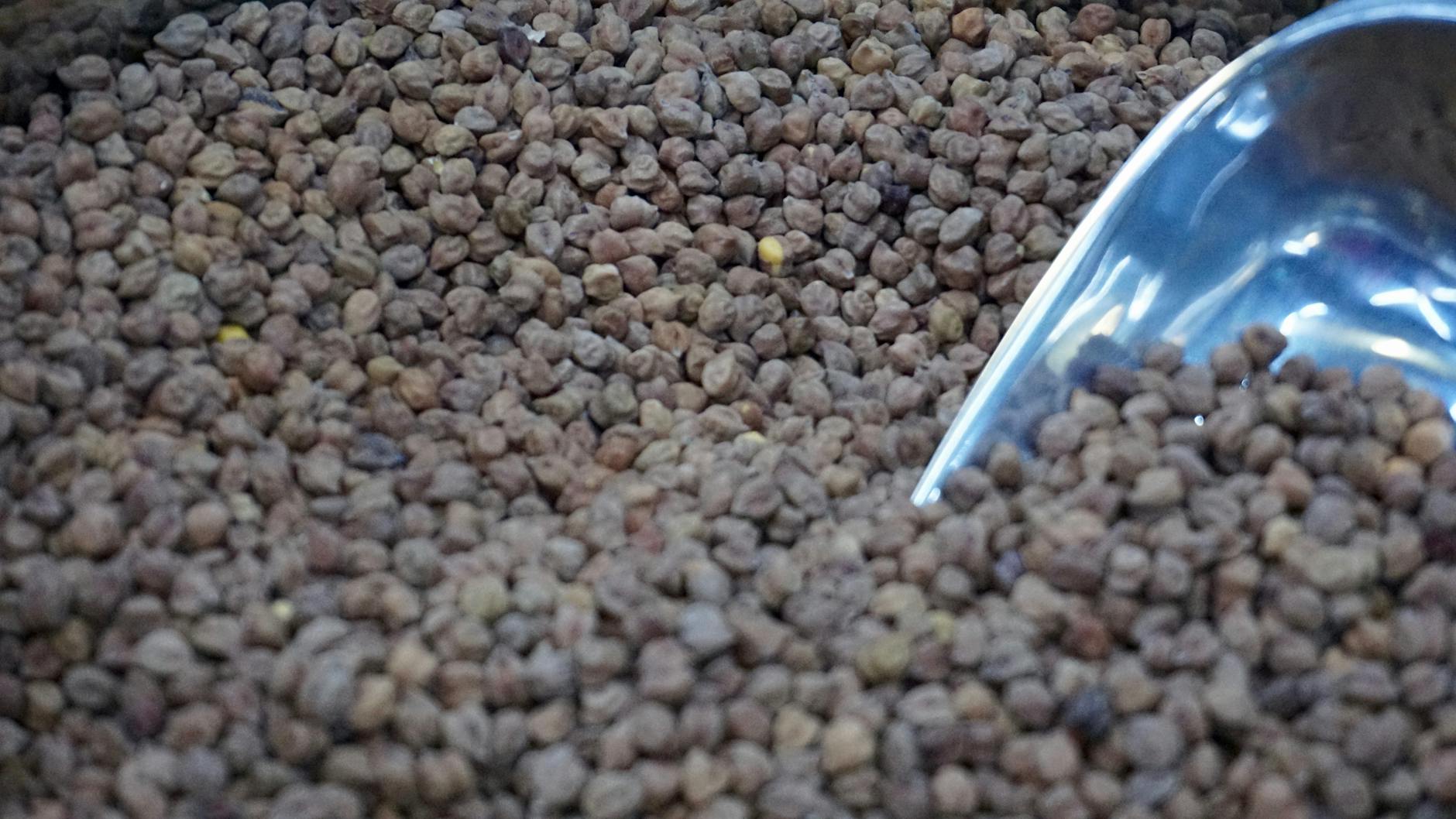
Chickpeas pack an extraordinary concentration of nutrients in a small serving. One cup of cooked chickpeas delivers more than 70% of the daily recommended folate intake for most adults—a B vitamin crucial for protecting against cognitive decline and Alzheimer’s disease. They also provide 25% of the recommended daily magnesium intake for women, a mineral that directly supports neurotransmitter balance, stress regulation, and sleep quality.
Beyond these headline nutrients, chickpeas contain choline, selenium, zinc, and flavonoids, each playing a distinct role in protecting brain cells from damage and supporting the chemical messaging systems that make thinking, memory, and learning possible. To put this in perspective, a typical brain supplement might contain isolated folate or magnesium, but rarely in the quantities you’d get from chickpeas, and never alongside the full nutrient matrix that whole foods provide. When you consume chickpeas, you’re getting what researchers call a “food synergy effect”—the nutrients interact with one another and with compounds we haven’t fully catalogued yet, creating a more powerful protective effect than any single supplement could offer. Your digestive system also absorbs nutrients from whole foods more efficiently than it does from many supplement formulations.
How Chickpeas Compare to Brain Supplements
The fundamental difference between chickpeas and supplements comes down to biological complexity. A supplement bottle contains what researchers decided you need, based on current understanding. A chickpea contains what chickpea plants developed over thousands of years of evolution to support their own cellular function—and human brains, being human cells, often find that natural package remarkably useful.
Studies show that people who get their nutrients from whole foods typically see better cognitive outcomes than those taking supplements alone, even when the supplement delivers the “recommended” daily amount of that nutrient. However, supplements have a legitimate role: they can correct identified deficiencies quickly, provide concentrated doses when food access is limited, and serve as insurance for people with absorption problems or restricted diets. The realistic picture isn’t “chickpeas instead of supplements” but rather “chickpeas as the foundation, with targeted supplements filling specific gaps.” Someone with confirmed B12 deficiency, for example, still needs that supplement alongside their chickpeas. The issue arises when people believe expensive “brain health” supplements can substitute for the consistent, varied nutrition that whole foods provide—they cannot.
The Research Evidence for Chickpea Brain Protection
A 2024 study published in the International Journal of Pharmacology examined chickpea sprouts specifically and found they improved learning and memory in animal models of amnesia. While animal studies don’t directly translate to human outcomes, they suggest that the compounds in chickpeas do affect brain function in measurable ways. More significantly, chickpeas feature prominently in the MIND diet (Mediterranean-DASH Intervention for Neurodegenerative Delay), a dietary pattern developed specifically to slow cognitive decline. The MIND diet recommends consuming chickpeas and other legumes at least three times per week—a frequency-based endorsement that reflects consistent positive associations in observational research.
The protective mechanism appears connected to folate’s role in brain health. Sufficient folate intake has been identified as a protective factor against Alzheimer’s disease development. Folate supports methylation reactions throughout the body, maintains the integrity of brain cell membranes, and reduces homocysteine levels—elevated homocysteine being an independent risk factor for cognitive decline. Additionally, the magnesium and flavonoids in chickpeas reduce neuroinflammation, the chronic low-level inflammation in brain tissue that contributes to age-related cognitive loss. These mechanisms aren’t theoretical; they reflect decades of neuroscience research on how specific nutrients protect brain cells.
Incorporating Chickpeas Into Your Brain-Healthy Diet
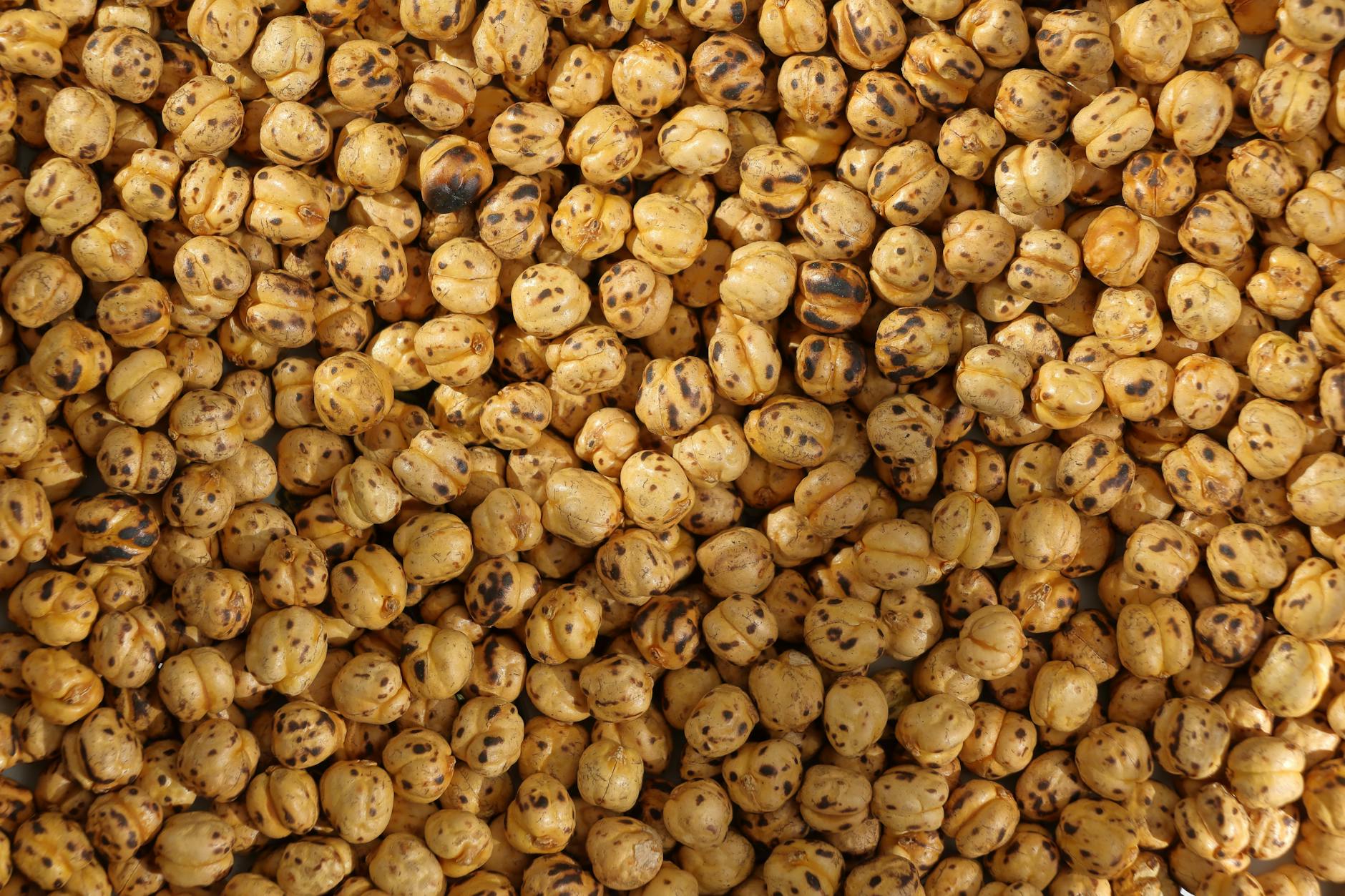
The practical advantage of chickpeas over supplements is their versatility and palatability. You can add them to salads, blend them into hummus, include them in soups, or roast them as snacks—each preparation preserves their nutrient density while fitting into varied cuisines and preferences. For someone with early cognitive concerns or a family history of dementia, shifting to regular chickpea consumption is simultaneously a nutritional intervention and a behavioral one; it encourages broader dietary improvements across all food groups.
A realistic brain-health approach might look like this: incorporate chickpeas or other legumes three to four times weekly as part of varied meals, maintain consistent physical activity, prioritize sleep, manage stress, and maintain social connections. Within this framework, a quality supplement filling a documented deficiency makes sense. But starting with expensive supplements while skipping whole foods like chickpeas is essentially backwards. The person eating chickpeas regularly, even without supplements, will likely protect their brain more effectively than the person taking premium nootropic supplements while eating a processed food diet.
Limitations and Important Considerations
Chickpeas are not a cure for existing dementia or cognitive impairment. They’re a preventive tool best deployed in midlife or earlier, before significant neural damage has accumulated. If you or a family member has received a dementia diagnosis, chickpeas should complement medical treatment and cognitive rehabilitation—not replace it. Additionally, some people experience digestive discomfort from chickpeas, particularly if they’re not accustomed to legumes.
Introducing them gradually and preparing them properly (soaking dried chickpeas, cooking until very tender) usually resolves this issue, but for some individuals, the benefit may not justify the digestive cost without dietary adjustment. Another limitation: chickpeas alone cannot overcome the effects of poor sleep, chronic stress, sedentary behavior, or untreated cardiovascular disease—all major drivers of cognitive decline. You cannot eat your way out of a lifestyle that undermines brain health. Chickpeas work within the context of comprehensive brain-protective habits, not as a standalone intervention.

The MIND Diet and Real-World Evidence
The MIND diet represents one of the most well-researched dietary approaches for brain health, and chickpeas are a core component. Studies following people who closely adhered to the MIND diet found approximately 35% lower risk of cognitive decline compared to those eating the least brain-protective diets. This substantial difference doesn’t come from any single food but from the pattern: leafy greens, berries, nuts, whole grains, fish, legumes like chickpeas, olive oil, and moderate wine consumption create an anti-inflammatory dietary environment that protects brain tissue.
Following the MIND diet means eating chickpeas regularly, alongside other whole foods—a pattern that naturally excludes the ultra-processed foods and added sugars that accelerate cognitive decline. Real-world adoption of the MIND diet, with chickpeas as a staple legume, has shown measurable cognitive benefits in people over age 65 in observational studies. The benefit appears consistent across different populations, suggesting that the protection isn’t dependent on genetics or other unmeasured factors but rather on the dietary pattern itself.
Looking Forward—The Role of Whole Foods in Brain Health
As aging populations face rising rates of dementia and cognitive decline, research increasingly distinguishes between nutrient interventions that work and those that don’t. The pattern is becoming clearer: whole foods like chickpeas consistently show benefits, while isolated supplements show spotty results at best. This doesn’t mean supplements have no role, but it does mean that investment in food quality and consumption patterns will likely yield better brain outcomes than supplement spending alone.
Future research will likely continue unpacking the specific compounds in chickpeas and other legumes that contribute to brain protection. But the broader takeaway—that whole foods outperform supplements for prevention—is unlikely to change. Your brain evolved to be nourished by whole foods, not extract formulations, and it responds accordingly.
Conclusion
Chickpeas protect your brain not through a single miracle nutrient but through a coordinated package of folate, magnesium, choline, and other compounds that work together to support brain cells, reduce inflammation, and protect against cognitive decline. The evidence suggests they accomplish this more effectively than isolated supplements because your body can utilize them more efficiently and because eating chickpeas correlates with broader patterns of healthy food choices. This isn’t an argument against all supplementation—targeted supplements filling documented deficiencies have a place—but rather a reminder that whole foods should form the foundation of any brain-protective strategy.
If protecting your brain health is a priority, start with dietary changes: incorporate legumes like chickpeas three to four times weekly as part of the MIND diet pattern, add regular physical activity, prioritize sleep, and manage stress. These changes cost far less than premium supplements and produce better documented outcomes. You can discuss any additional supplementation with your healthcare provider based on your individual nutritional status. Your brain will thank you for the whole foods far more than it will for the pills.