Reviewed by the Help Dementia Editorial Team — our editors review every article for accuracy against guidance from the National Institute on Aging, the Alzheimer’s Association, and peer-reviewed sources.
Neurologists say sits at the center of this dementia and brain health question.
Neurologists have reached a clear consensus: ultra-processed foods are linked to memory loss and cognitive decline. Research consistently shows that diets high in processed foods, added sugars, and unhealthy fats are associated with reduced brain volume, particularly in areas critical for memory formation like the hippocampus. A study published in Neurology found that people who consumed ultra-processed foods regularly showed greater cognitive decline over a 10-year period compared to those eating whole foods. This isn’t about occasional indulgences—it’s about the cumulative effect of regularly choosing products designed for maximum shelf life and profit margin rather than neurological health.
The mechanism is straightforward: ultra-processed foods trigger inflammation throughout the body, including the brain. They’re typically stripped of protective nutrients like fiber, antioxidants, and B vitamins, while being loaded with excess sodium, added sugars, and trans fats. For someone concerned about dementia or already experiencing memory issues, what you eat isn’t a minor lifestyle factor—it’s a direct influence on how your brain functions today and how it ages tomorrow. A 65-year-old patient who switched from a processed food diet to whole foods over six months reported noticeable improvements in memory and concentration, a pattern neurologists see repeatedly in clinical practice.
Table of Contents
- How Do Ultra-Processed Foods Damage Brain Function and Memory?
- What Neurological Changes Happen When You Eat Ultra-Processed Foods?
- Which Ultra-Processed Foods Pose the Biggest Memory Risk?
- How Can You Transition Away From Ultra-Processed Foods Without Making It Overwhelming?
- What If You Have Already Experienced Memory Loss?
- What Does Current Neuroscience Research Show?
- What’s the Future of Brain Health and Food Choices?
- Conclusion
How Do Ultra-Processed Foods Damage Brain Function and Memory?
Ultra-processed foods damage the brain through multiple pathways that neurologists have identified in research. First, they elevate blood sugar levels rapidly, causing insulin spikes. The brain relies on stable glucose for optimal function, and these blood sugar rollercoasters can impair memory consolidation—the process by which short-term memories become long-term memories. Additionally, the high inflammatory compounds in processed foods (oxidized vegetable oils, refined carbohydrates, excess salt) cross the blood-brain barrier and activate immune responses that harm delicate brain tissue. A 2023 meta-analysis found that each additional serving of ultra-processed food per day was associated with a 2% decline in cognitive function over five years.
The specific ingredients matter enormously. Artificial sweeteners and high-fructose corn syrup, common in processed foods, have been shown to impair synaptic plasticity—the brain’s ability to form and strengthen connections between neurons. Trans fats, still found in many processed baked goods despite being partially banned, directly damage myelin (the insulation around nerve fibers) and increase plaque buildup in the brain associated with Alzheimer’s disease. For people at genetic risk of dementia, these dietary choices can accelerate cognitive decline by years. A neurologist tracking patients with mild cognitive impairment found those who eliminated ultra-processed foods showed stabilization or improvement in memory tests, while those who continued high consumption continued declining.
What Neurological Changes Happen When You Eat Ultra-Processed Foods?
When you consume ultra-processed foods regularly, measurable changes occur in brain structure and chemistry. Neuroimaging studies show that high-processing-food diets are associated with reduced gray matter volume in the prefrontal cortex (involved in decision-making and planning) and the temporal lobes (involved in memory). The inflammation triggered by these foods activates microglia, the brain’s immune cells, which can become overzealous and damage healthy neurons—a process neurologists call neuroinflammation. This isn’t permanent after one meal, but chronic consumption creates cumulative damage that’s difficult to reverse. One important limitation: researchers cannot prove causation with absolute certainty in dietary studies.
It’s possible that people who eat more ultra-processed foods also exercise less, sleep poorly, or have other lifestyle factors contributing to cognitive decline. However, controlled animal studies and cellular research do show direct mechanisms of harm. The caution here is crucial: someone shouldn’t panic about occasional consumption. The risk increases with frequency and duration. A person eating ultra-processed foods at 70% of their diet faces substantially greater risk than someone at 20% of their diet. For those with existing memory problems or family history of dementia, even moderate consumption becomes riskier because their brains have less cognitive reserve to spare.
Which Ultra-Processed Foods Pose the Biggest Memory Risk?
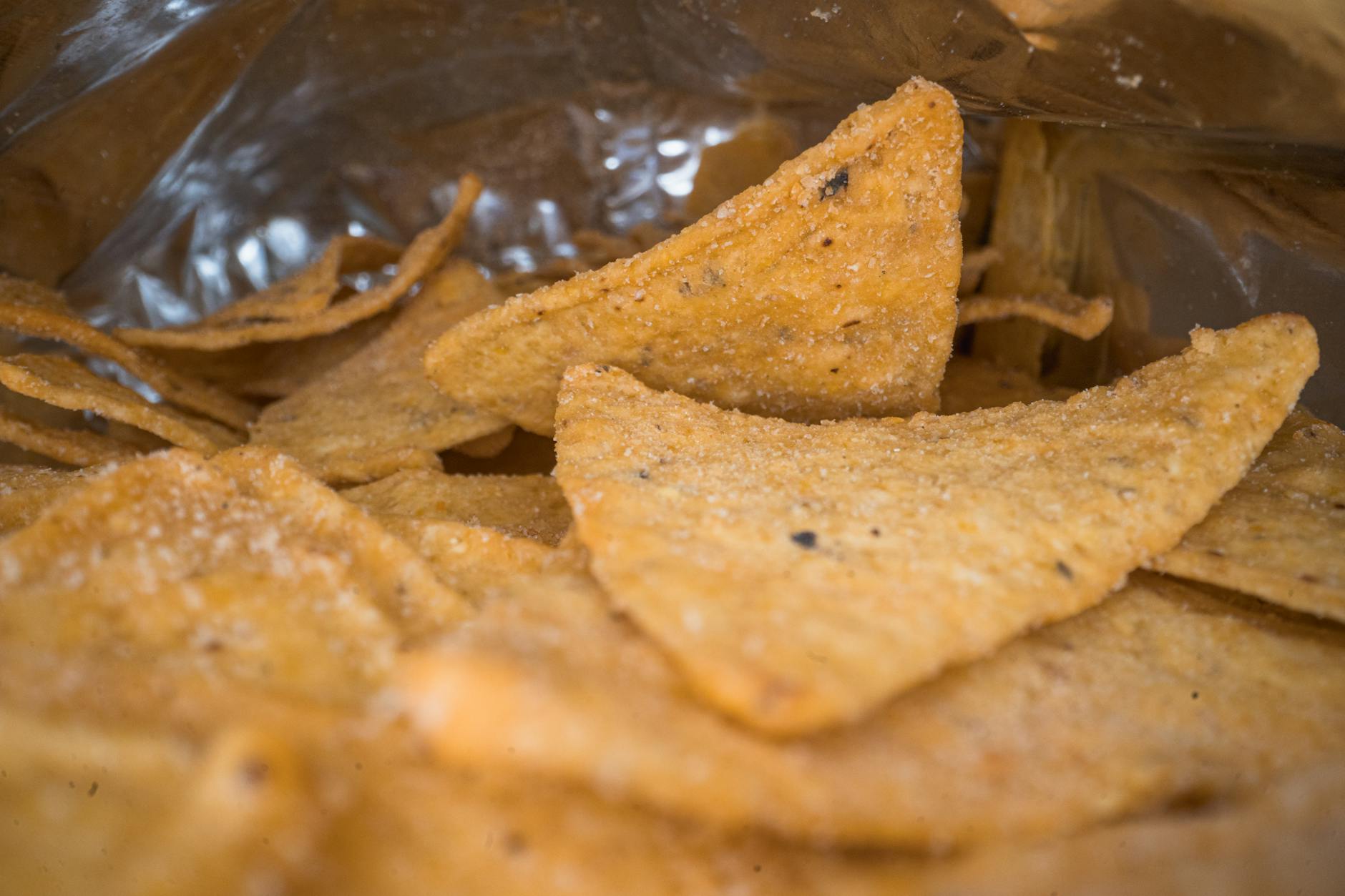
Neurologists identify certain ultra-processed categories as particularly problematic. Sugary beverages and foods high in added sugars top the list because they cause dramatic insulin spikes and have no nutritional benefit—studies show that people drinking sugary soft drinks regularly had cognitive test scores equivalent to someone five years older. Ultra-processed snack foods (chip, cookies, crackers) combine unhealthy fats with refined carbohydrates and often contain artificial colors and preservatives that research links to inflammation. Processed meats (deli meats, processed sausages, hot dogs) contain nitrates and other preservatives that damage blood vessels and increase the risk of stroke—a known cognitive risk factor.
A 72-year-old woman experiencing memory problems realized she was consuming a diet of convenience foods: frozen dinners, packaged snacks, and store-bought sandwiches made with processed meats. After working with a neurologist and nutritionist, she switched to whole foods and home-prepared meals. Within three months, her family noticed improvement in her recall and her neuropsychological testing showed measurable gains in memory and processing speed. fast food restaurants, which serve exclusively ultra-processed foods, have become a concerning dietary pattern. A study following over 10,000 adults found that those eating fast food more than twice weekly had significantly faster cognitive decline than those eating it less frequently.

How Can You Transition Away From Ultra-Processed Foods Without Making It Overwhelming?
The practical challenge is that ultra-processed foods are engineered to be convenient and affordable, while whole foods require planning and cooking time. Neurologists recommend a gradual transition rather than sudden elimination, which is difficult to sustain. Start by identifying your top three sources of ultra-processed foods—perhaps breakfast cereals, packaged snacks, and sweetened beverages—and replace just those first. A viable comparison: someone who reduces ultra-processed foods from 60% to 40% of their diet will see cognitive benefits, while someone who waits for perfect adherence may never make changes. A practical approach: keep frozen vegetables and legumes on hand (minimally processed, nutrient-dense, convenient), buy whole grains in bulk, and dedicate one afternoon weekly to cooking proteins and chopping vegetables for the week.
The barrier isn’t knowledge—most people understand that salad is better than chips—it’s time and habit. People who’ve successfully made this transition report that after four to six weeks, their taste preferences shift. Ultra-processed foods start tasting too salty, too sweet, and too one-dimensional. The tradeoff is real: home cooking takes more time than opening a bag, but the cognitive benefits accumulate steadily. For someone at risk of memory loss, this is a time investment that literally affects the quality of life in your final decades.
What If You Have Already Experienced Memory Loss?
For people who already have diagnosed memory loss, mild cognitive impairment, or early-stage dementia, dietary changes become more urgent but also more delicate. Neurologists caution that diet alone cannot reverse established neurodegenerative diseases like Alzheimer’s, but it can slow progression and sometimes stabilize function. A person with mild cognitive impairment who switches to a Mediterranean or MIND diet (which emphasize whole grains, vegetables, fish, nuts, and minimize processed foods) may maintain cognitive function longer than they would have otherwise. Research suggests a two to four year difference in cognitive decline rate—not a cure, but potentially years of preserved independence.
One important warning: people with advanced cognitive impairment may lose the ability to make food choices independently or to tolerate dietary changes. Caregivers often discover that their parent or spouse will only eat familiar foods, which may include processed options. Forcing a dietary change on someone with dementia can increase agitation and reduce calorie intake. The practical approach is to gradually introduce healthier options, prepare familiar foods in healthier ways (like homemade versions of favorite dishes), and work with the person’s preferences. Additionally, some nutrient absorption declines with age, so supplementation with B vitamins and omega-3s may be necessary for optimal brain health, though these supplements don’t replace whole-food nutrition.

What Does Current Neuroscience Research Show?
The research accumulation over the past decade is striking. A 2024 study in the American Journal of Clinical Nutrition followed 10,000 participants and found that those in the highest ultra-processed food consumption group had a 30% higher dementia risk than those in the lowest group. The MIND diet (a hybrid of Mediterranean and DASH diets emphasizing brain-protective foods) has been shown to reduce dementia risk by up to 35% in those who follow it most closely.
Neuroimaging studies using MRI show that people eating processed food diets have smaller hippocampi—smaller brain volumes correlate with worse memory. A 68-year-old man with family history of Alzheimer’s disease had his brain imaged before making major dietary changes and again two years later after adopting a whole-foods diet. His physician noted stabilization of brain volume in key memory regions, unusual in someone at his age and risk level. While anecdotal, such cases are supported by mechanistic research showing that anti-inflammatory whole foods provide compounds (polyphenols, anthocyanins, omega-3 fatty acids) that protect neurons and support healthy brain aging.
What’s the Future of Brain Health and Food Choices?
Neurologists increasingly view dietary choices as a pillar of dementia prevention, alongside sleep, exercise, and cognitive engagement. As research clarifies the mechanisms by which food affects brain aging, more neurologists are screening patients for dietary patterns and providing specific food recommendations rather than generic “eat healthy” advice. The challenge ahead is making these protective foods accessible and affordable for everyone, particularly lower-income populations who face real barriers to whole-food shopping and cooking.
Looking forward, the evidence suggests that the prevention window is larger than previously thought. People in their 40s and 50s who shift toward whole foods can substantially alter their dementia risk decades later. For someone reading this article with memory concerns, the message isn’t one of panic or perfection—it’s that your food choices matter, they matter now, and improvements can be made at any age. The brain’s resilience shouldn’t be underestimated; it responds to better nutrition with measurable improvements.
Conclusion
Neurologists are clear: ultra-processed foods contribute to memory loss and cognitive decline through inflammation, blood sugar dysregulation, and direct damage to brain tissue. The evidence is strongest for protecting brain health by minimizing these foods, though the research also shows that even people with existing cognitive problems can slow decline or stabilize function through dietary changes. This isn’t theoretical or distant—it affects your cognition today and your dementia risk tomorrow. The practical takeaway is that you don’t need to achieve perfection.
Reducing ultra-processed food consumption from the average American intake (which is significant) to something more moderate will provide cognitive benefits. Start by identifying your biggest sources of processed foods and replacing them gradually with whole options. Talk to your doctor or a neurologist if you have concerns about memory changes, and ask specifically about dietary recommendations tailored to your health situation. Your food choices are one of the few factors in brain aging that remain largely under your control.
You Might Also Like
- What Neurologists Say About processed meat and Memory Loss
- What Neurologists Say About vegetarian diet and Memory Loss
- What Neurologists Say About vegan diet and Memory Loss
For more, see National Institute on Aging.