Reviewed by the Help Dementia Editorial Team — our editors review every article for accuracy against guidance from the National Institute on Aging, the Alzheimer’s Association, and peer-reviewed sources.
Yes, leafy greens do protect your brain better than supplements. The evidence is surprisingly clear: study after study shows that eating leafy greens slows cognitive decline and protects brain tissue, while isolated nutrient supplements—even when containing the exact same nutrients found in those vegetables—either fail to deliver the same benefit or have actually caused harm in controlled research. If you’re considering spending money on brain-health pills instead of eating spinach, the science suggests you’re making the wrong choice. The difference comes down to complexity. Leafy greens contain not just individual nutrients in isolation, but entire ecosystems of compounds that work together in ways supplements simply cannot replicate.
A bowl of kale contains vitamin K1, folate, lutein, nitrates, and dozens of other substances that interact with each other and with your digestive system in ways we’re still working to understand fully. A supplement bottle contains a handful of these compounds, extracted and concentrated in ways that may actually interfere with how your body uses them. What makes this particularly important for anyone concerned about dementia or cognitive decline is that the brain-protective benefits of leafy greens show up in measurable, meaningful ways. One serving of leafy greens per day has been linked to cognitive abilities equivalent to being approximately 11 years younger in brain age. This isn’t speculation or marketing language—it’s the finding from long-term studies conducted by the National Institute on Aging.
Table of Contents
- How Do Leafy Greens Protect the Brain More Effectively Than Supplements?
- The Nutrient Profile That Supplements Cannot Match
- Real-World Evidence from Aging Populations
- Which Leafy Greens Offer the Most Brain Protection?
- Why Supplements Fall Short and What the Research Actually Shows
- Integrating Leafy Greens into Dementia Prevention Strategies
- What This Means for Your Future Brain Health
- Conclusion
How Do Leafy Greens Protect the Brain More Effectively Than Supplements?
The key difference lies in how your body processes whole foods versus isolated nutrients. When you eat a serving of spinach or kale, you’re consuming vitamins K1 and folate alongside lutein and naturally occurring nitrates—all working in concert. These compounds support different aspects of brain health: they maintain the structure of blood vessels that feed the brain, protect neurons from oxidative damage, and help clear away accumulating proteins that are associated with cognitive decline. Research has repeatedly shown that when scientists extract these same nutrients into pill form, the results disappoint. Multiple landmark randomized trials have found that isolated nutrient supplements either failed to replicate the brain-protective benefits seen with whole foods or, in some cases, actually caused harm.
One notable example involved studies of vitamin supplements—people taking them sometimes showed unexpected negative outcomes that people eating nutrient-rich vegetables never experienced. The body appears to process and utilize nutrients differently when they arrive as part of a complex food matrix compared to when they’re isolated chemicals in a tablet. The most compelling evidence involves beta-amyloid buildup in the brain—a hallmark of cognitive decline. People consuming seven or more servings of leafy greens weekly showed significantly less accumulation of this harmful protein compared to those eating only one or two servings per week. That’s not a small difference. That’s the kind of difference that, when tracked over years, potentially means the difference between maintaining sharp cognition or experiencing memory problems.
The Nutrient Profile That Supplements Cannot Match
Leafy greens deliver four particular nutrients that laboratory studies have shown directly protect brain tissue: vitamin K1, folate, lutein, and nitrates. Each plays a specific role. Vitamin K1 activates proteins involved in maintaining the structural integrity of brain cells. Folate supports the production of neurotransmitters and helps regulate homocysteine, an amino acid that accumulates in the blood and can damage blood vessels when levels get too high. Lutein, a carotenoid pigment that gives some greens their deep color, filters harmful light and reduces inflammation in brain tissue. Nitrates, found abundantly in leafy greens, improve blood flow throughout the body, including to the brain. The limitation here is important to understand: getting adequate amounts of these nutrients requires consistent consumption. You cannot eat salad once a month and expect brain protection. The research showing cognitive benefits links those benefits to regular consumption—seven servings weekly, or one serving daily.
This is a commitment, not a one-time investment. For people with busy schedules or limited access to fresh produce, maintaining this level of consumption can be genuinely difficult. This is where many people turn to supplements, hoping for a shortcut. The evidence suggests that shortcut doesn’t work. There’s also a practical reality worth mentioning: supplements are expensive over time, while frozen or canned leafy greens are not. A bottle of brain-health supplements might cost $20 to $50 monthly. Buying frozen spinach or kale costs a fraction of that. If leafy greens were dramatically less convenient or more costly than supplements, you might make a reasonable tradeoff. But they aren’t—they’re actually the more affordable option.
Real-World Evidence from Aging Populations
The research connecting leafy greens to preserved brain function comes largely from studies of older adults—the exact population most concerned about cognitive decline. The most widely cited research comes from the National Institute on Aging, which tracked thousands of people over years, measuring both their dietary habits and their cognitive performance over time. What researchers found was that the difference between people eating abundant leafy greens and those eating very little was dramatic enough to be measured in years of cognitive aging. A practical example: imagine two people, both age 70. One eats leafy greens regularly; the other rarely does. Based on cognitive testing and brain imaging, the person eating greens might have the cognitive function of someone who is 59 years old, while the other might test more like someone of 81.
The only meaningful difference in their diets might be that one includes vegetables at lunch and dinner while the other does not. That’s the scale of difference the research has found. This doesn’t mean eating kale is a guarantee against dementia or cognitive decline. Genetics, overall lifestyle, cardiovascular health, sleep quality, mental activity, and dozens of other factors all play roles. But dietary choices are one of the few factors that individuals have direct control over. Unlike your genes, you can change what you eat today. The research suggests that this particular change—eating more leafy greens—may be one of the most powerful dietary choices you can make for your brain.

Which Leafy Greens Offer the Most Brain Protection?
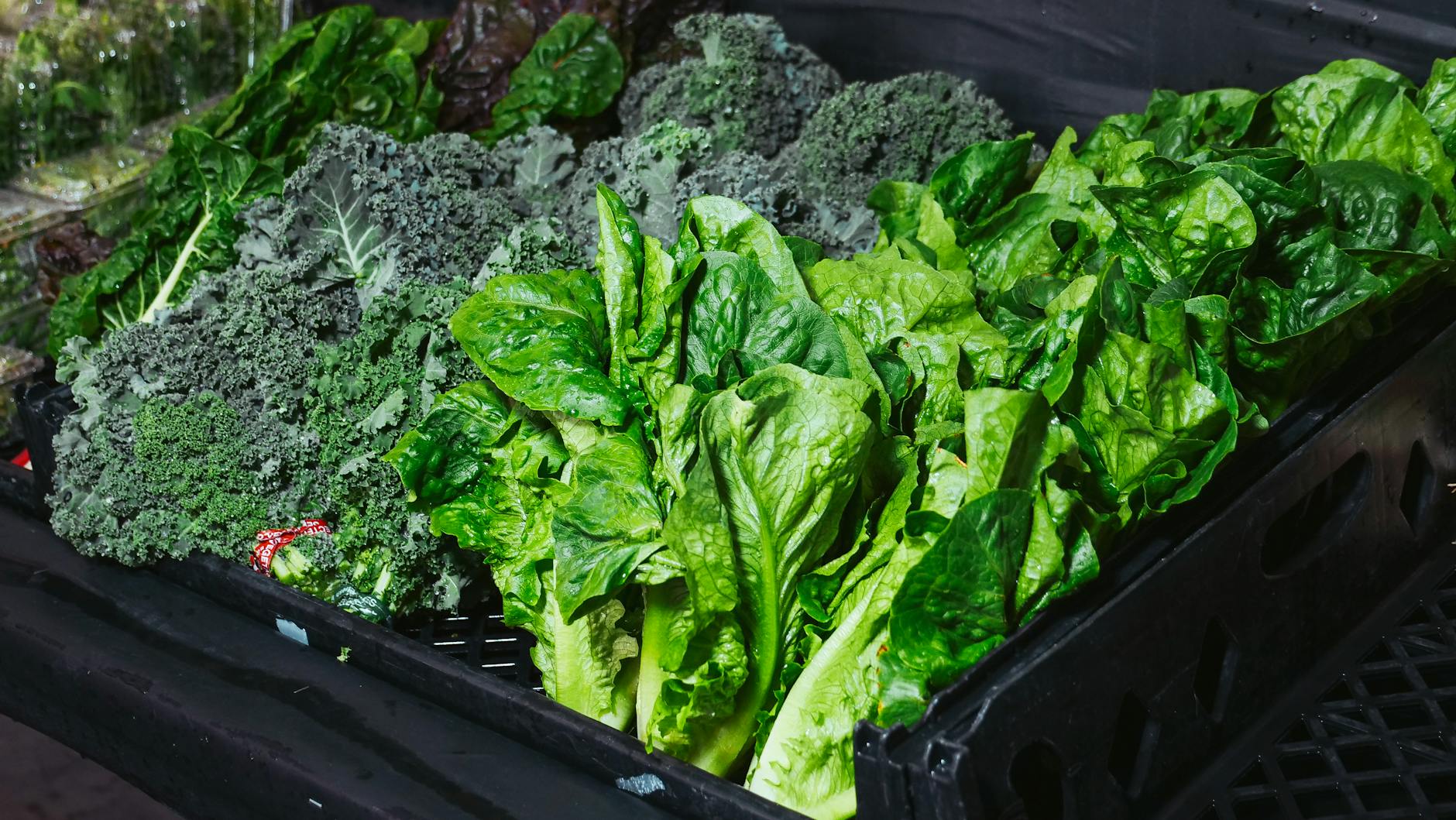
Not all leafy greens are equal in their nutrient content, though they’re all beneficial. The research specifically highlights four varieties as particularly strong for brain health: kale, spinach, collards, and broccoli. Kale is exceptionally high in vitamin K1—more than most other vegetables. Spinach contains high levels of folate and lutein. Collards provide significant amounts of both vitamin K1 and folate. Broccoli, technically a flowering green rather than a leafy green, delivers similar nutrients and the added benefit of sulforaphane, a compound with its own anti-inflammatory properties. If you dislike the taste of one type of green, that’s not a reason to give up. The point is to consume leafy greens regularly, and you’re far more likely to do that if you choose vegetables you actually enjoy eating.
Someone who eats spinach salads three times a week is getting more brain benefit than someone who forces down a bowl of kale once a month and then quits. The tradeoff between perfect nutritional optimization and realistic adherence should lean toward the realistic choice every time. The practical approach: build leafy greens into meals you already enjoy. Add spinach to smoothies, pasta sauce, or scrambled eggs. Use collards as wraps. Roast kale with olive oil and salt as a crispy snack. Stir-fry broccoli as a side dish. The goal is reaching seven servings weekly—roughly one serving daily. That’s achievable with simple, familiar preparations that fit into regular eating patterns.
Why Supplements Fall Short and What the Research Actually Shows
The reasons isolated nutrient supplements fail to protect the brain the way whole foods do are still being fully understood, but several explanations emerge from research. First, when nutrients are extracted and concentrated, your body may absorb them differently than when they arrive as part of food. The presence of fiber, other nutrients, and compounds in whole food affects absorption and utilization. Second, some of the brain-protective benefits of leafy greens may come from compounds scientists haven’t fully identified or studied yet. You can’t supplement what you haven’t discovered. Third, and perhaps most importantly, extracted nutrients can create imbalances. A supplement providing high doses of one nutrient without the complementary compounds found in food can sometimes produce unexpected effects.
This isn’t theoretical—multiple large, well-designed studies have shown that certain nutritional supplements either failed to prevent cognitive decline or, in some cases, showed unexpected negative associations with brain health outcomes. The lesson here is sobering: the intuitive assumption that “if a little bit of a nutrient is good, concentrated doses must be better” is often wrong when it comes to human nutrition. There’s also a warning specific to cognitive health: some people, hoping to prevent dementia, load up on multiple brain-health supplements simultaneously. This creates a situation where no one has studied the interaction of all those compounds together. You end up conducting an uncontrolled experiment on your own brain, with no way to know if the combination is helpful, neutral, or harmful. Eating leafy greens carries no such risk. The worst-case scenario with too much spinach is probably nothing more than digestive upset.

Integrating Leafy Greens into Dementia Prevention Strategies
If you’re concerned about cognitive decline or dementia risk, leafy greens should be considered a cornerstone of your dietary approach alongside other protective strategies. The research on brain health points toward several complementary behaviors: regular physical activity, cognitive engagement, quality sleep, social connection, blood pressure management, and dietary choices. Leafy greens address the dietary piece—they’re not a substitute for the other factors, but they’re a powerful part of the overall picture. One concrete example: someone might commit to eating leafy greens daily while also starting a walking routine three times per week and joining a book club.
This combination of dietary change and lifestyle change creates reinforcement—you’re addressing multiple risk factors simultaneously. The leafy greens support brain cell health and clear away harmful proteins, while exercise improves blood flow and supports the growth of new brain cells, social engagement maintains cognitive reserve, and quality sleep helps the brain consolidate memories and clear waste products. Separated, each factor helps. Together, they create a synergistic effect.
What This Means for Your Future Brain Health
The evidence connecting leafy greens to preserved cognitive function continues to accumulate. As neuroscience advances and researchers can measure brain changes in greater detail, the picture of why whole foods protect the brain better than supplements becomes clearer. This isn’t likely to change—the complexity of whole foods and the interactions between their components are unlikely to be fully replicated in supplement form.
For anyone making decisions about their brain health right now, the implications are clear: prioritize whole foods, particularly leafy greens, over the hope of supplement shortcuts. The science supports this choice, the cost supports this choice, and your future cognitive function may depend on it. The investment you make in eating these vegetables today is an investment in your brain’s ability to remember, reason, and engage with the world years from now.
Conclusion
Leafy greens protect your brain better than supplements because they deliver complex combinations of nutrients that work synergistically in ways isolated supplements cannot replicate. The evidence is compelling: one serving daily is linked to cognitive abilities approximately 11 years younger in brain age, and people eating seven or more servings weekly show significantly less buildup of harmful proteins in their brains. Meanwhile, landmark research has repeatedly shown that isolated nutrient supplements either fail to provide these protective benefits or have caused unexpected harm.
The practical takeaway is straightforward: prioritize eating kale, spinach, collards, or broccoli regularly—aiming for roughly one serving daily—over purchasing brain-health supplement bottles. The cost is lower, the evidence is stronger, and the risk of unintended consequences is essentially zero. Your future cognition may depend on the dietary choices you make starting today.