Handling Nighttime Sleep Disturbances Safely

Sleep disturbances in dementia reflect damage to the brain's internal clock—not stubbornness—and respond best to light, activity, and safety adjustments before medication.
Sleep disturbances in dementia reflect damage to the brain's internal clock—not stubbornness—and respond best to light, activity, and safety adjustments before medication.

Vocal outbursts in dementia rarely mean what they seem—they're usually a signal of pain, infection, medication effects, or unmet needs.

Repetitive questions in dementia reflect memory loss, not stubbornness—and understanding why changes how you respond.

Ethical frameworks protect dementia patients, satisfy global regulations, and drive better innovation outcomes than shortcuts.

More than 60% of the world's dementia cases now occur in low- and middle-income countries least equipped to handle them.

Off-label drug use is legal, but whether it's ethical hinges on evidence—and that evidence often doesn't exist for vulnerable elderly patients.

Hidden medical data means patients are making decisions based on incomplete evidence—with serious consequences for brain health.

Most dementia medications are tested on people nothing like the patients who eventually take them.
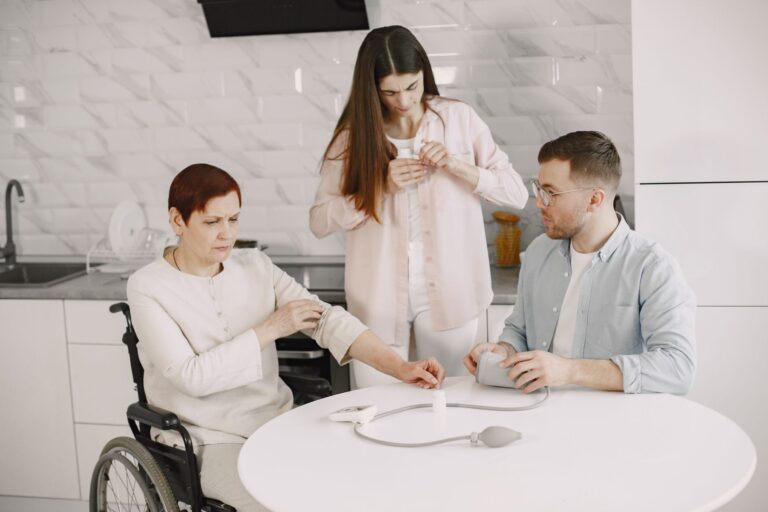
Government programs provide essential support for families managing dementia and elder care, but navigating them requires understanding which benefits apply and how to access them.

Vaccines work, but they cannot build the lab networks, detect disease early, or maintain trained workforces—the systems that prevent illness from spreading and becoming severe.
HelpDementia.com
Dementia, Alzheimer's, Caregiving & Healthy Aging Guidance
© 2026 HelpDementia.com. All rights reserved.
Educational information only. It is not medical advice and does not replace care from a qualified clinician.