Parkinson’s Disease Dementia and Sundowning: What Caregivers Can Expect

Why evening agitation in Parkinson's dementia follows a pattern tied to light and fatigue, and which changes actually ease it.
Why evening agitation in Parkinson's dementia follows a pattern tied to light and fatigue, and which changes actually ease it.

Four independent studies tie repeated head trauma to FTD risk and earlier symptom onset—here's what each one actually measured.

Specific, dated examples of memory lapses and mood shifts give doctors more to work with than vague impressions that "something's off."

A Toulouse case study shows word-meaning therapy helped most participants with trained vocabulary, but rarely carried over to new words.

How neurologists combine the 2011 bvFTD criteria, MRI or PET imaging, and gene panels to diagnose frontotemporal dementia and rule out look-alikes.

Caregivers learn why DLB and PDD get different names for the same disease, and which medication risk applies to both.

Specific speech changes — not memory loss — are often the first real clue to early dementia, and caregivers can learn to spot them.
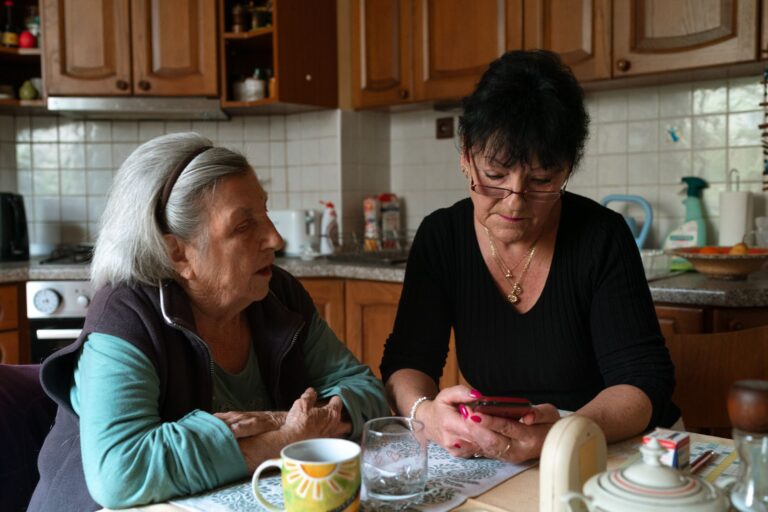
A practical checklist for tracing dementia behavior changes to their real cause, from sundowning to sudden aggression.

A MoCA score under 21 flags Parkinson's dementia risk, but the sub-scores and the patient's disease duration shape what that number really means.

MMSE scores in aphasia are driven mostly by naming ability, not general cognition — here's what that means for judging severity.
HelpDementia.com
Dementia, Alzheimer's, Caregiving & Healthy Aging Guidance
© 2026 HelpDementia.com. All rights reserved.
Educational information only. It is not medical advice and does not replace care from a qualified clinician.