NIA’s 2026 Dementia Care Report on People Without Traditional Care Partners

Learn what NIA's report says—and does not yet establish—about dementia care for people without care partners.
Learn what NIA's report says—and does not yet establish—about dementia care for people without care partners.

A practical guide to GUIDE access, respite, nursing costs, quality ratings, and hospice questions in 2026.

Use NIA's five-part research agenda to judge whether future dementia studies address families' real costs and care needs.

A careful guide to WHO's 45% estimate, its uncertainties, and the practical actions the evidence supports.

Learn what WHO's new air-pollution advice means, how certain the evidence is, and where effective action belongs.
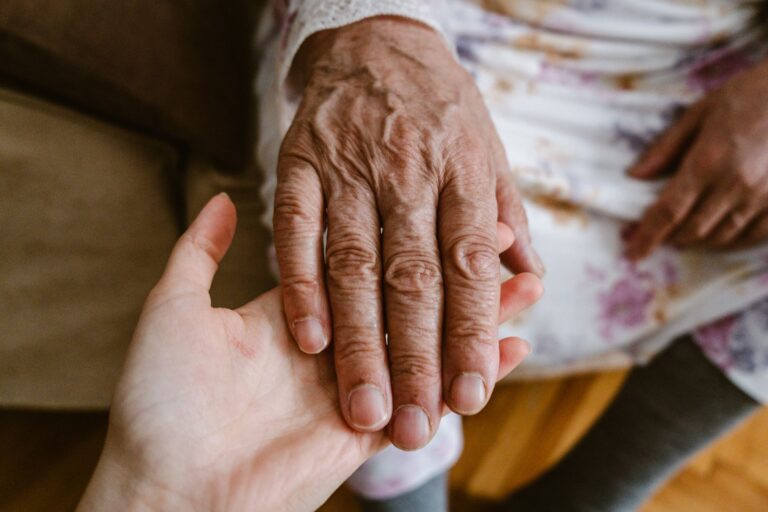
Learn what the trial's cognitive gains, cultural adaptations, and limits mean when assessing dementia-risk programs.
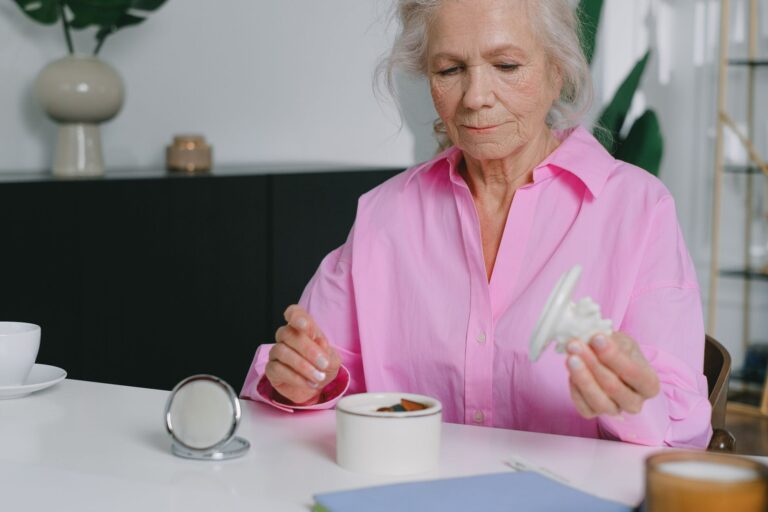
Build a clear, objective behavior timeline that helps clinicians assess patterns, triggers, daily effects, and possible causes.

Learn how to adapt beanbag toss for later-stage dementia and recognize when to continue, simplify, or stop.

Learn which documents to review, how capacity affects timing, and why guardianship is not automatic.

Learn how state hospice benefits, dementia eligibility, treatment waivers, and HCBS programs affect Medicaid coverage.
HelpDementia.com
Dementia, Alzheimer's, Caregiving & Healthy Aging Guidance
© 2026 HelpDementia.com. All rights reserved.
Educational information only. It is not medical advice and does not replace care from a qualified clinician.