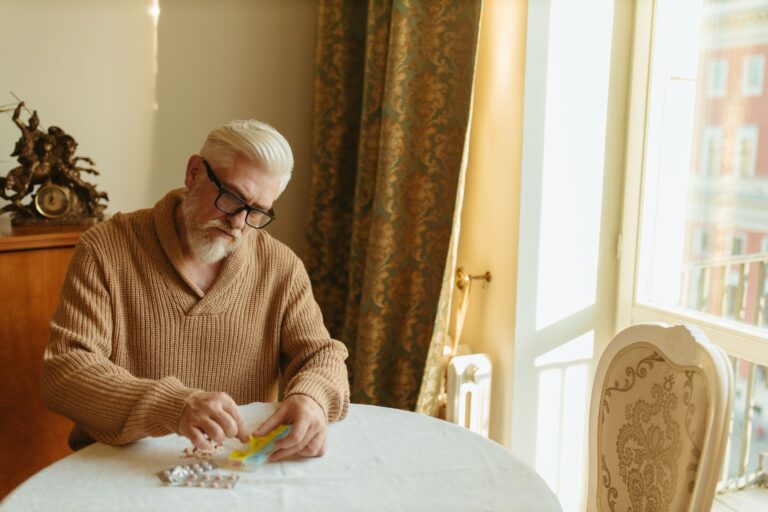
Young people with dementia experience profound isolation when diagnosed in their 30s, 40s, or 50s—a time when peers are climbing career ladders and raising families. Events like the National Cherry Festival offer something essential: a structured environment where cognitive changes don’t define the entire experience. The festival’s combination of sensory engagement, family-friendly activities, and built-in opportunities for movement and social connection creates moments where younger adults with dementia can feel present and included, rather than sidelined by their diagnosis.
These moments matter more than they initially appear. A person in the early stages of dementia attending a festival might navigate a cherry orchard with clearer thinking if the environment reduces pressure and complexity. They might enjoy a pie-eating contest or live music without the performance anxiety of a formal social event. The festival’s structure—clear pathways, familiar activities, scheduled entertainment—provides scaffolding for engagement that everyday life no longer offers as naturally.
Table of Contents
- Why Seasonal Festivals Offer Unique Benefits for Younger People Living With Dementia
- The Social Isolation Crisis That Makes Community Events Crucial
- How Festivals Need to Be Redesigned for Neurocognitive Access
- Practical Steps for Families Planning Festival Attendance
- Why Caregiver Burnout Prevention Is Part of the Event’s Purpose
- Expanding Access Beyond One Festival
- The Broader Health Impact of Community Participation
Why Seasonal Festivals Offer Unique Benefits for Younger People Living With Dementia
Festivals activate different cognitive and social pathways than clinical settings or home care environments. A cherry festival engages multiple senses simultaneously: the taste of fresh fruit, the visual abundance of cherry-laden trees, the sound of live bands, the feel of warm weather and sunshine. For someone whose short-term memory is declining, these sensory moments create stronger engagement than abstract conversation alone. A person might forget they attended the festival by evening, but the positive neurological impact of sensory engagement persists in improved mood and sleep quality.
Young people with dementia often face unique barriers at public events. Unlike older adults with dementia who might attend with peers facing similar diagnoses, people in their 40s and 50s often feel that crowds will judge their cognitive slip-ups or physical slowness. A festival setting reduces this fear because everyone’s there for leisure, not performance. Adults with dementia can take breaks in the shade without social commentary, wander at their own pace, or sit out certain activities without explanation.
The Social Isolation Crisis That Makes Community Events Crucial
Young-onset dementia carries a particular loneliness. Retirement communities and traditional senior programs feel developmentally inappropriate for someone who might still be employed or parenting. Adult children and spouses often become primary caregivers, which can strain relationships and eliminate peer friendships—the very connections that buffer against depression and cognitive decline. Mainstream community activities sometimes feel hostile or awkward when a younger person moves too slowly or repeats questions.
The gap between diagnosis and appropriate programming can last years. A person diagnosed at 50 might wait until 65 before finding support groups or day programs designed for their stage and age. In that gap, social withdrawal accelerates cognitive decline. Accessible festival events can bridge that gap by offering no-judgment participation. A festival specifically welcoming people with dementia and their caregivers signals that participation isn’t charity—it’s community investment.
How Festivals Need to Be Redesigned for Neurocognitive Access
A standard public festival doesn’t automatically work for younger adults with dementia. Excessive crowding, unpredictable schedules, noise overload, and complex wayfinding cause agitation and fatigue. Successful adaptations include designated quiet zones, volunteer greeters who know about dementia communication, clearly marked bathrooms and rest areas, and consistent activity schedules posted in multiple formats. Some festivals offer early-bird hours for people with dementia and their caregivers—a simple shift that removes the sensory assault of peak crowds.
Staffing matters substantially. Volunteers trained in dementia communication (using simple language, offering choices rather than yes/no questions, validating feelings rather than correcting facts) can transform an event from overwhelming to welcoming. One caregiver brought her husband to an orchard festival only after learning that staff had received dementia training. She reported he engaged peacefully with picking cherries for the first time in months, simply because people didn’t rush him or treat his questions as annoyances.
Practical Steps for Families Planning Festival Attendance
Preparation reduces anxiety for both the person with dementia and their caregivers. Visiting a festival website beforehand, mapping accessible parking and rest areas, and identifying which activities feel most appealing prevents decision fatigue on the day itself. Some families bring a written schedule with photos, creating a visual reference that reduces moment-to-moment confusion about what’s happening next. Others arrange for a buddy—another family member or trained volunteer—so the primary caregiver can take breaks without guilt.
The timing and duration of attendance varies by disease stage. Someone in early-stage dementia might enjoy a full day at the festival; someone in middle stage might manage three hours with structure and support. There’s no right duration—only what maintains engagement without exhaustion. Leaving early when energy flags prevents the memory of frustration overshadowing the memory of joy. A festival visit that ends on a positive note, with the person contentedly eating cherry pie in the shade, shapes the family narrative differently than forcing attendance until meltdown.
Why Caregiver Burnout Prevention Is Part of the Event’s Purpose
Festivals designed for people with dementia also need to account for caregiver strain. Caregiving is isolating work. A spouse or adult child managing someone’s medications, safety, and constant support often hasn’t had unstructured social time in months. A festival with respite care—trained volunteers who can stay with the person with dementia for 90 minutes while the primary caregiver walks freely—offers genuine relief.
This isn’t luxury; it’s a known dementia intervention that improves caregiver mental health and, in turn, the quality of home care. Some festivals offer caregiver-only social areas where people can debrief with others navigating similar challenges. These conversations—about managing behavioral changes, navigating spouse relationships after diagnosis, finding employment flexibility—address a real gap in informal support. A caregiver might never attend another formal support group, but a chance conversation at a festival with someone who understands early-onset dementia can reduce the shame and isolation that often accompanies this diagnosis.
Expanding Access Beyond One Festival
The National Cherry Festival’s approach to dementia inclusion shouldn’t exist in isolation. Farmers markets, botanical gardens, county fairs, and seasonal events throughout the year can adopt similar accessibility features. Each event expands the calendar of moments when a younger person with dementia can participate in community life.
Communities with multiple accessible events each month give families options suited to their family member’s interests and energy levels. Some communities are creating dementia-friendly event calendars, listing which local activities offer accessible design and trained staff. This removes the burden from families to discover and advocate for accommodations case by case. A readily available list of friendly venues—plus reviews from other families about what actually worked—transforms how young people with dementia experience their communities.
The Broader Health Impact of Community Participation
Attendance at enjoyable public events correlates with slower cognitive decline and reduced behavioral symptoms in dementia research. The mechanisms aren’t mysterious: social engagement stimulates cognitive function, physical activity from walking through a festival provides neurological benefit, and positive emotions trigger neurotransmitter patterns that affect overall brain health. A day spent at a festival with family members, tasting seasonal food, and enjoying music or nature provides measurable neurological value beyond what a clinical therapy session often achieves.
For younger people with dementia, the psychological impact extends beyond the event itself. Knowing that community spaces exist where they can participate without judgment—that they haven’t lost the ability to enjoy festivals or public life—affects identity and hope. A person whose diagnosis initially felt like a sentence to isolation experiences differently after successfully attending a festival with accommodations and support. The event itself becomes evidence that living well with dementia is possible, not just something professionals claim in pamphlets.
- —