When to Address Uncorrected Vision Loss as Part of a Dementia Prevention Plan

Uncorrected vision loss accounts for roughly 19% of dementia cases in older adults, but correction through glasses or surgery eliminates that risk entirely.
Uncorrected vision loss accounts for roughly 19% of dementia cases in older adults, but correction through glasses or surgery eliminates that risk entirely.

Learn how to spot treatable sight loss, prepare for an eye exam, and set realistic expectations after dementia diagnosis.

Nearly 100,000 U.S. dementia cases stem from uncorrected vision, yet most are preventable through glasses, contacts, or cataract surgery.

Learn which treatable problems can mimic dementia, what testing may involve, and when memory changes need assessment.
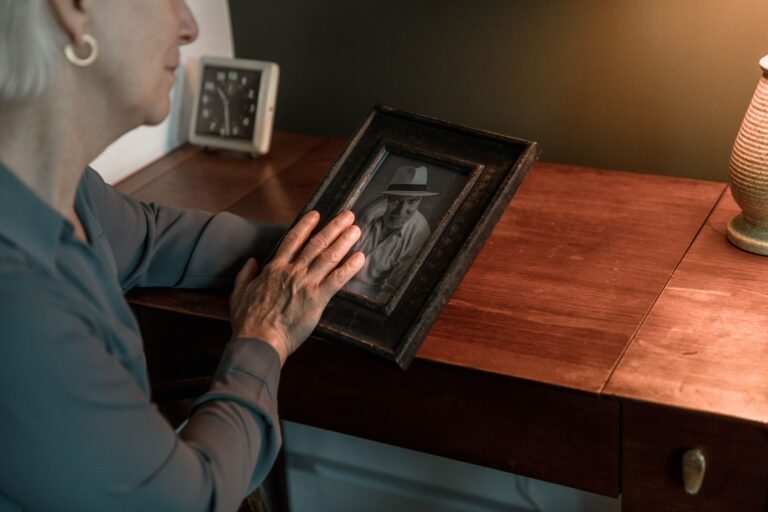
Memory loss often stems from treatable causes like B12 deficiency or sleep apnea, not always dementia—early identification can reverse it.
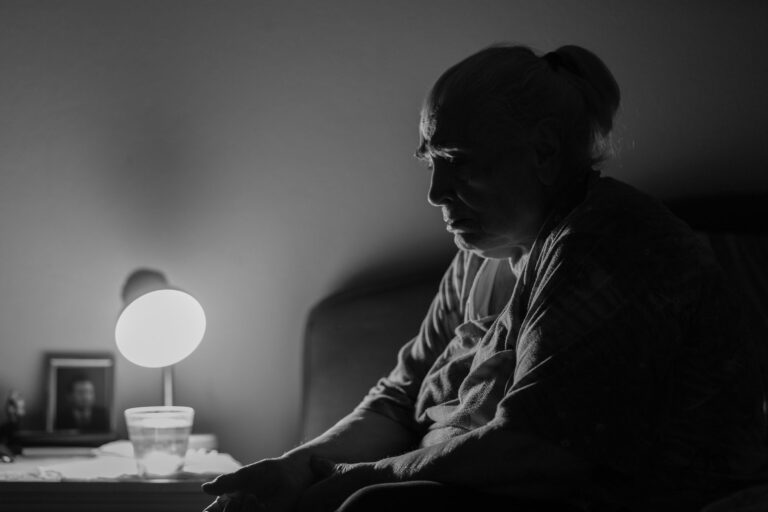
Learn which early symptom patterns distinguish Alzheimer's from other dementias—and why memory loss alone is not enough.

Learn which eye exam to request, what vision research can show, and how to make cognitive screening more appropriate.

Bring specific examples, a function timeline, and a medicine list—and know which sudden changes should not wait.

Learn how cataract studies, population estimates, and practical eye care shape the dementia-risk conversation.

Learn which memory changes merit a doctor's visit, which signal an emergency, and what an evaluation can uncover.
HelpDementia.com
Dementia, Alzheimer's, Caregiving & Healthy Aging Guidance
© 2026 HelpDementia.com. All rights reserved.
Educational information only. It is not medical advice and does not replace care from a qualified clinician.