How to Reduce Frustration During Photo Sorting in Dementia Care

Learn how to pace photo sorting, simplify decisions, label images, and respond early when distress appears.
Learn how to pace photo sorting, simplify decisions, label images, and respond early when distress appears.

Learn when to name a health care agent, how capacity differs from dementia stage, and which treatment choices to discuss.

Learn what live-in dementia care covers, how nights work, what Medicare excludes, and when home care may become unsafe.

A practical checklist helps caregivers spot triggers, ease evening confusion, respond calmly, and plan for wandering.
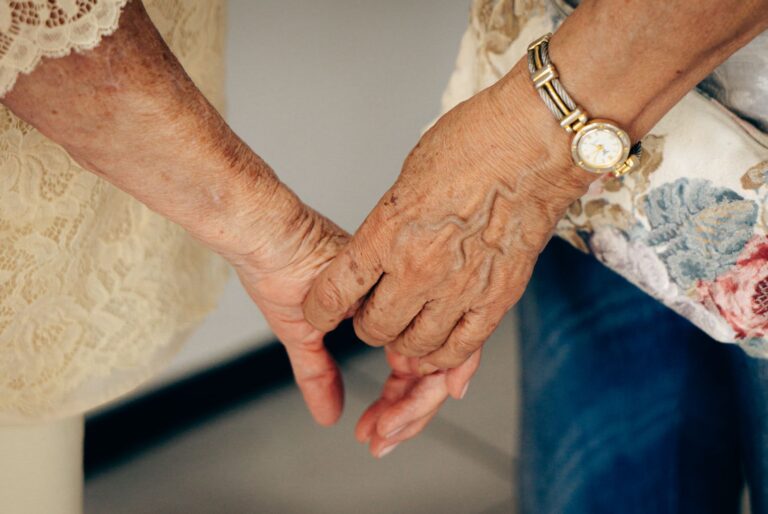
A practical guide to safer routines, medical follow-up, clearer communication, early planning, and caregiver support.
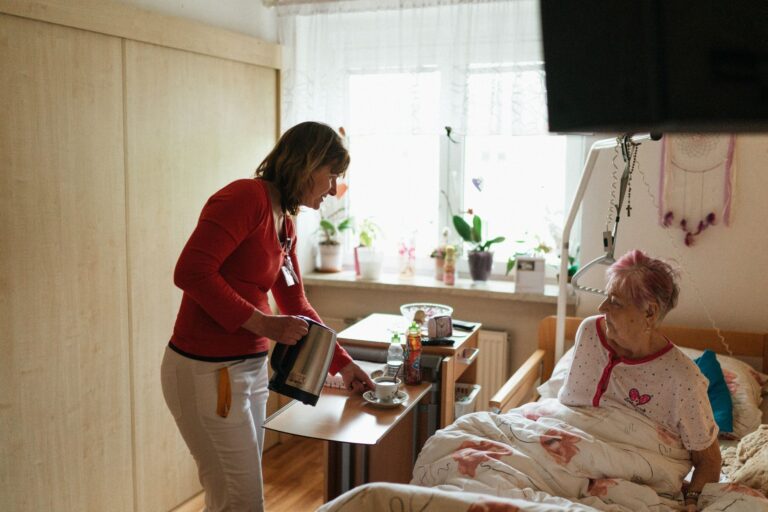
Stopping Aricept requires gradual tapering under medical supervision and depends on whether the drug is still helping at your loved one's current disease stage.

Memory loss in dementia creates predictable safety hazards—wandering, medication errors, fire risk—that families can reduce through environmental changes and early evaluation.

Match sundowning care to communication, safety, and comfort needs while tracking each person's real pattern.

Vascular dementia causes sudden cognitive and physical decline; caregivers must prevent falls, manage heart health, and prepare for unpredictable step-like progression.

Smiling, eye contact, and increased talking signal enjoyment; behavioral observation is more reliable than verbal confirmation as dementia progresses.