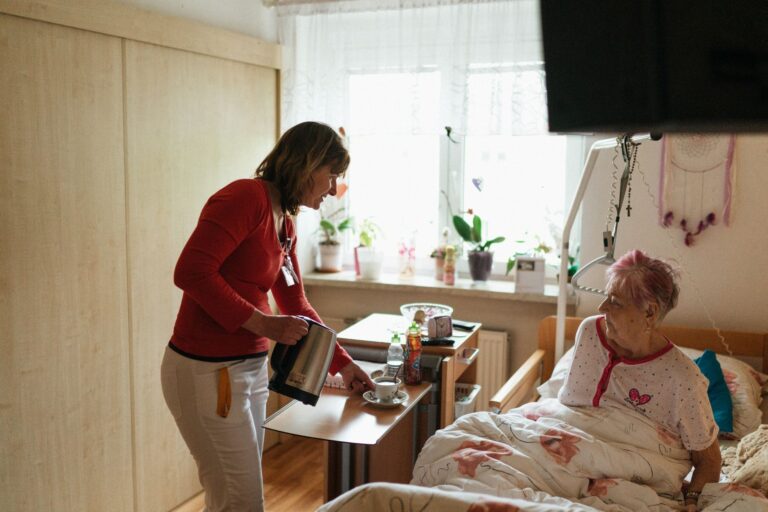
Families living with vascular dementia should focus on preventing further brain damage, adapting daily routines, planning care early, and supporting caregivers. Vascular dementia is cognitive decline caused by strokes or other problems that reduce blood flow to the brain. Symptoms depend on which brain areas are affected and may worsen as blood vessels sustain more damage. The practical goal is to preserve safety, ability, and quality of life while preparing for changing needs.
Medical information disclaimer: This article is for general educational purposes only and does not provide medical advice, diagnosis, or treatment. Always consult a physician or other qualified health professional about symptoms, medications, tests, or treatment decisions.
Table of Contents
- What changes should families expect?
- What can treatment accomplish?
- How can daily life remain safer?
- How should families handle communication and sudden changes?
- Plan for care without exhausting the family
What changes should families expect?
Vascular dementia can affect more than memory. The particular difficulties a person experiences vary with the location of the brain damage, according to the CDC's overview of dementia. Families should therefore respond to the person's actual abilities rather than relying on a fixed picture of dementia.
A person may have vascular dementia alone or alongside Alzheimer's disease. New memory, communication, or behavior problems may not all share one cause, so describe specific changes to the clinical team instead of assuming they are inevitable. Keep a simple record of what changed, when it began, and how it affects daily tasks. Concrete observations can make care discussions more useful than broad descriptions such as "getting worse.".
What can treatment accomplish?
Treatment cannot cure vascular dementia or reverse established brain damage. It can, however, help prevent additional damage and may slow progression, as explained in the NHS guidance on vascular dementia treatment.
Ask the clinician how the treatment plan addresses preventable vascular harm, including: These risks and their treatments differ from person to person. Families can help by keeping appointments, sharing changes in function, and making the agreed plan easier to follow at home.
- High blood pressure
- Diabetes
- High cholesterol
- Blood-clot risk
- Smoking
How can daily life remain safer?
Support should match the person's particular difficulties. Occupational therapy can address everyday tasks, physiotherapy can support movement, and speech-and-language therapy can help with communication. Cognitive stimulation may also form part of care. Small home adaptations can reduce avoidable strain and danger.
Better lighting, grab bars, and removing trip hazards are practical starting points. Review the rooms and routes the person uses most rather than trying to change the entire home at once. Preserve independence where it remains safe. Give enough help for the person to complete a task, but avoid automatically taking over abilities they still have.
How should families handle communication and sudden changes?
Speak slowly in a quiet setting, ask one question at a time, and allow time for an answer. Visual cues can help when words are difficult. Avoid arguments and unnecessary correction, especially when correcting a detail will not improve safety or care.
Agitation or sudden confusion may signal an unmet need or a treatable problem. Check for possible pain, dehydration, infection, or constipation and seek clinical advice rather than assuming dementia alone caused the change. Severe deterioration may be delirium, which requires urgent medical attention. The Alzheimer's Society's vascular dementia guidance specifically warns that sudden confusion can have medical causes that need treatment.
Plan for care without exhausting the family
Arrange individualized care planning early. A care plan can identify useful home changes, available financial support, and whether home care or nursing care may eventually be needed.
Caregiver support is part of sustainable care, not an optional extra. Regular breaks, help from relatives or friends, day services, and respite care can reduce strain, according to the NHS guidance for people looking after someone with dementia. Choose one concrete backup arrangement before a crisis occurs: identify who can take over, what service could provide respite, and how essential care information will be shared.