Vascular dementia is the second leading cause of dementia, accounting for up to 10% of cases, and develops when strokes restrict blood flow to the brain, causing cell death. This guide helps caregivers recognize how vascular dementia differs from Alzheimer's disease, where falls pose immediate danger, and which concrete steps—fall prevention and cardiovascular management—can slow decline. Unlike other dementias, vascular dementia progresses in sudden steps rather than gradual decline, typically over 5–10 years. Caregivers must act immediately on safety and heart health, since small changes early can compound into significant differences over time.
Medical information disclaimer: This article is for general educational purposes only and does not provide medical advice, diagnosis, or treatment. Always consult a physician or other qualified health professional about symptoms, medications, tests, or treatment decisions.
Table of Contents
- How Vascular Dementia Symptoms Differ from Alzheimer's
- Why Vascular Dementia Progresses in Sudden Steps
- Preventing Falls and Injuries—the Highest Immediate Risk
- Managing Cardiovascular Risk to Slow Cognitive Decline
- Understanding Daily Care Needs as Disease Progresses
- Frequently Asked Questions
How Vascular Dementia Symptoms Differ from Alzheimer's
Vascular dementia typically affects processing speed and problem-solving before memory loss, and patients often experience physical symptoms like coordination problems and walking difficulty early. This is a key difference from Alzheimer's, which presents with memory loss first, making vascular dementia easier to misdiagnose or delay recognizing.
Early warning signs a caregiver might notice include slower thinking, difficulty making decisions, trouble with balance or gait, and slurred speech—appearing before significant memory problems. These early physical and cognitive changes mean safety modifications and supervision should start sooner than with other dementia types.
Why Vascular Dementia Progresses in Sudden Steps
Vascular dementia progresses in uneven "stepping" patterns with sudden cognitive drops after strokes followed by periods of stability, contrasting with Alzheimer's gradual decline. This step-pattern means a person may appear stable for weeks or months, then have a noticeable decline after a new stroke event.
For caregivers, this irregular progression makes planning difficult. A person may retain independence with bathing for months, then lose that ability abruptly. Knowing this progression style helps caregivers avoid both under-preparing and over-reacting to fluctuations.
Preventing Falls and Injuries—the Highest Immediate Risk
People with vascular dementia face 4–5 times higher fall risk than cognitively intact older adults, due to coordination and walking problems from prior stroke damage. Preventing falls is one of the most important safety priorities because a fall can trigger hospitalization, infection, or loss of independence.
Effective safety measures include removing throw rugs and clutter from pathways, installing grab bars and non-slip mats in bathrooms, ensuring supportive footwear, and promoting regular physical activity. Check lighting, remove extension cords and furniture leg hazards, and avoid slippers without backs. Regular movement—short walks or chair exercises—helps maintain muscle and balance.
Managing Cardiovascular Risk to Slow Cognitive Decline
Hypertension is the leading preventable risk factor for vascular dementia, and cardiovascular risk factors including smoking, high blood pressure, diabetes, and high cholesterol account for 23–45% of incident dementia cases by age 80. This means caregivers have a direct role in slowing progression by helping manage these conditions.
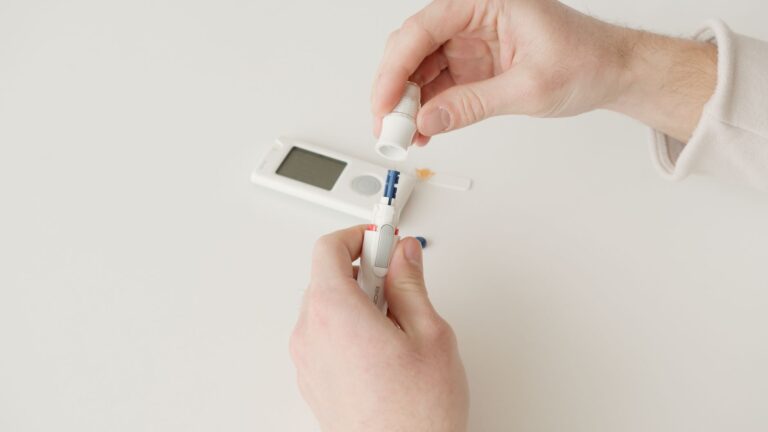
Work with the person's doctor to keep blood pressure within target range, manage cholesterol and blood sugar, and support smoking cessation if needed. Blood pressure checks at home, medication reminders, and diet changes are concrete caregiver actions that influence cognitive decline. Unlike many aspects of dementia, cardiovascular risk is modifiable—making these steps some of the few ways a caregiver can genuinely slow the disease.
Understanding Daily Care Needs as Disease Progresses
Early stages of vascular dementia leave basic activities of daily living (bathing, dressing, toileting) intact, while middle stages impair bathing, dressing, and cooking. Late stages result in loss of toileting, eating, and dressing independence, requiring full assistance.
For people over 70 with vascular dementia, survival typically ranges from 3–5 years after diagnosis, though this varies widely. This progression helps caregivers anticipate when to arrange help—scheduling a home health aide before bathing becomes unsafe, rather than waiting for a crisis. Because vascular dementia's step-pattern means sudden changes are possible, flexible care plans and knowing when to call the doctor after a sudden change prevents gaps in care and unnecessary panic.
Frequently Asked Questions
Can vascular dementia be reversed?
No. Brain damage from strokes cannot be undone, but cardiovascular risk management can prevent further strokes and slow decline.
What should I know about diagnosis?
Doctors use cognitive testing, brain imaging (CT or MRI to detect stroke evidence), and cardiovascular evaluation to confirm vascular dementia and distinguish it from Alzheimer's.
When do I need professional care support?
As the person loses basic activity independence (eating, toileting, dressing), professional help becomes necessary—typically in middle-to-late stages. The 3–5 year average post-diagnosis timeline provides a planning window, though sudden declines are possible.