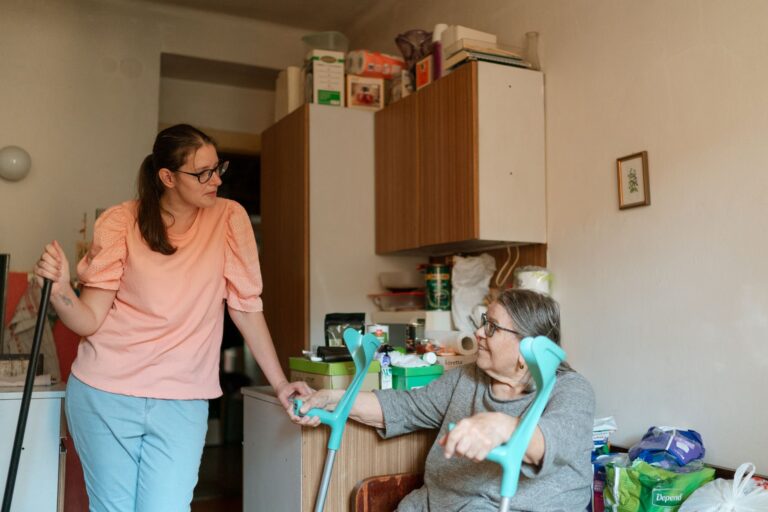
Physical inactivity after a dementia diagnosis matters because regular movement can support strength, mobility, daily function, and fall prevention. It does not mean that exercise is proven to slow or reverse dementia-related cognitive decline. Physical inactivity means spending much of the day sitting or lying down with little movement, relative to the person's health and abilities. Families should treat movement as part of daily care, with goals matched to the person rather than to a rigid exercise target.
Medical information disclaimer: This article is for general educational purposes only and does not provide medical advice, diagnosis, or treatment. Always consult a physician or other qualified health professional about symptoms, medications, tests, or treatment decisions.
Table of Contents
- Can inactivity make dementia progress faster?
- What benefits can movement provide?
- How much activity is appropriate?
- How can families make movement easier?
- What safety checks matter?
Can inactivity make dementia progress faster?
Research does not establish that inactivity accelerates dementia or that exercise changes the disease itself. In the 2018 DAPA trial, supervised moderate-to-high-intensity exercise improved short-term fitness but not cognition, daily function, or quality of life, according to the BMJ randomized trial. That finding is important for setting expectations. A person may become fitter without showing better memory, judgment, or communication.
families should be cautious about programs that promise to reverse dementia through exercise. The wider evidence remains mixed. Cochrane's review of 17 trials found possible benefits for daily activities but no clear cognitive, depression, or behavioral benefit. It rated most of the evidence as very low certainty.
What benefits can movement provide?
Movement can still have meaningful practical value. A 2023 analysis of 21 randomized-trial reports found that multicomponent exercise improved mobility, flexibility, strength, and activities of daily living, with a modest average improvement in global cognition, according to Archives of Physical Medicine and Rehabilitation. "Multicomponent" means combining more than one type of activity. A routine might include walking for endurance, standing from a chair for leg strength, and supported balance work.
The useful outcome may be an easier transfer, steadier walking, or greater participation in dressing—not a noticeable memory change. A small 2025 trial also found benefits from three weekly resistance sessions added to cognitive training. Participants improved in strength, daily-living ability, and fall-risk scores. However, the study included only 60 people with Alzheimer's disease in a care-center setting, so its results may not apply to every person or dementia type.
How much activity is appropriate?
There is no single dementia-specific amount that suits everyone. The appropriate level depends on health, current mobility, fatigue, symptoms, and the support available.
World Health Organization guidance for older adults recommends limiting sedentary time and replacing it with activity of any intensity, including light movement. It also recommends varied activity emphasizing balance and functional strength on at least three days each week, matched to ability and health status, as detailed in the WHO guideline. Families can translate that guidance into functional goals:.
- Walk to the mailbox or along a familiar hallway.
- Stand and sit from a stable chair with suitable support.
- Fold towels, water plants, or help set the table while standing.
- Practice supervised balance or strength exercises recommended for the person.
- Break activity into several short sessions when one longer session is unrealistic.
How can families make movement easier?
Start with activities the person recognizes and can still enjoy. A familiar walk, favorite music with simple movements, or a routine household task may feel more approachable than a formal workout. Keep the routine predictable, but respond to the person's condition that day.
The Alzheimer's Association advises maintaining a routine, resting when tired, and consulting a physician before beginning a new exercise program. Focus on participation rather than performance. If a planned walk is too demanding, try a shorter route or light movement at home. Assistance may need to increase as the person's abilities change.
What safety checks matter?
Arrange medical review before starting a new fitness routine, particularly when the person's health or safe activity level is uncertain. The National Institute on Aging notes that short activity sessions may be more realistic and recommends measures such as walking together, appropriate shoes, fluids, and identification for solo walkers in its caregiving guide. Before each activity, check whether the person appears tired and whether the setting and footwear suit the task.
If solo walking is no longer appropriate, replace it with accompanied walks or supervised movement in a familiar place. Review the plan when abilities or health status change. The next safe step may be shorter sessions, more hands-on support, or advice from the person's physician before continuing.