Reviewed by the Help Dementia Editorial Team — our editors review every article for accuracy against guidance from the National Institute on Aging, the Alzheimer’s Association, and peer-reviewed sources.
Brain better sits at the center of this dementia and brain health question.
Recent research suggests that cashews may offer brain protection that rivals—and potentially exceeds—what many popular brain-health supplements deliver. A growing body of scientific evidence shows that the nutrients and bioactive compounds naturally present in cashews provide measurable cognitive benefits, from supporting neurotransmitter function to defending against oxidative stress. Unlike isolated supplement ingredients, cashews deliver their protective compounds in a form that your body has evolved to process efficiently, which may explain why studies on whole-nut consumption often show stronger cognitive outcomes than supplemental approaches.
Consider the case of someone concerned about cognitive decline: rather than spending $30 a month on a memory supplement containing a single extracted compound, that person could eat a small handful of cashews daily and receive magnesium, B vitamins, polyphenols, selenium, and L-arginine simultaneously—all nutrients independently linked to brain health. Recent 2024 studies have specifically documented cashews’ ability to protect against neurological damage, reverse anxiety-related cognitive effects, and support healthy brain function through multiple biological pathways. The distinction matters because supplements often isolate single ingredients in doses that don’t occur in nature, whereas whole foods like cashews deliver a complex symphony of compounds calibrated by millions of years of evolution. For people invested in brain health—particularly those concerned about cognitive aging or dementia risk—understanding this difference could reshape how they approach prevention.
Table of Contents
- Why Do Cashews Outperform Isolated Brain-Health Supplements?
- The Science Behind Cashews and Neuroprotection
- The Bioactive Compounds That Make Cashews Neuroprotective
- How Eating Cashews Compares to a Supplement Regimen
- Important Limitations and Practical Warnings
- Real-World Application for Brain Health
- The Future of Food-Based Brain Protection
- Conclusion
Why Do Cashews Outperform Isolated Brain-Health Supplements?
The answer lies in nutritional density and bioavailability. One ounce of dry roasted cashews (about a small handful) contains 73.7 mg of magnesium, 139 mg of phosphorus, 160 mg of potassium, and 4.34 grams of protein—a constellation of nutrients that collectively support brain function. Most individual brain supplements address only one mechanism: they might contain magnesium for neurological transmission, or B vitamins for myelin formation, or an antioxidant for oxidative stress. Cashews don’t ask you to choose; they provide all of these simultaneously in proportions that your digestive system recognizes and processes efficiently. This matters because the brain is an extraordinarily metabolically active organ—it uses roughly 20% of your body’s energy despite representing only 2% of body weight.
That intensity means cognitive decline isn’t usually caused by a single nutritional deficit; it typically results from cumulative damage across multiple biological systems. A supplement targeting one pathway leaves the others vulnerable. Cashews, by contrast, address several pathways at once: the magnesium supports serotonin and dopamine regulation (affecting mood and alertness), the L-arginine improves blood flow and oxygen delivery, and the antioxidants combat the free-radical damage that accumulates in aging brains. A practical comparison illustrates the point: someone taking a magnesium supplement alone might support neurological transmission but miss the cognitive benefits of the specific polyphenols found in cashews, which research has shown may help prevent beta-amyloid accumulation—a hallmark of Alzheimer’s disease. By eating whole cashews, you get both effects without needing a cabinet full of bottles.

The Science Behind Cashews and Neuroprotection
The 2024 research on cashews specifically has become remarkably detailed. A study published in *Heliyon* found that roasted cashews provided measurable protection against neurological damage and cognitive effects induced by cisplatin, a chemotherapy drug known for causing cognitive impairment as a side effect. This matters beyond cancer patients because the protective mechanisms—how cashews shield cells from toxic damage—apply broadly to age-related cognitive decline. The study demonstrated that bioactive compounds in cashews can cross biological barriers and reach vulnerable brain tissues where damage typically initiates. Another 2024 study in *Behavioural Brain Research* took a different angle, examining how cashew nut flour affected anxiety-like behavior in rats fed high-fat diets known to promote neurological dysfunction.
The results were striking: cashew nut flour reversed anxiety-related behavioral decline, with researchers attributing this reversal to the unsaturated fatty acids and antioxidant compounds concentrated in cashews. While animal models don’t automatically translate to humans, this research mechanism—how specific compounds in cashews reduce the neuroinflammation that drives both anxiety and cognitive decline—has been validated repeatedly in human neuroscience research. However, there’s an important limitation to acknowledge: the evidence on human cognitive outcomes is still building. Most of the mechanistic studies have been conducted in animals or in controlled laboratory settings examining specific compounds rather than whole cashews in free-living humans. This doesn’t invalidate the research—the biological pathways are well-established—but it does mean we can’t yet claim that eating cashews will prevent Alzheimer’s or reverse existing cognitive decline. What we can claim, based on peer-reviewed evidence, is that cashews activate multiple protective mechanisms that neuroscience has linked to healthier cognitive aging.
The Bioactive Compounds That Make Cashews Neuroprotective
Cashews concentrate several classes of compounds that work synergistically to protect brain tissue. The first category is antioxidants: vitamin E, polyphenols, and selenium. These compounds neutralize free radicals—unstable molecules that accumulate in the aging brain and trigger the oxidative stress implicated in nearly every neurodegenerative disease. Oxidative stress is essentially biological rust; it damages cell membranes, disrupts protein function, and creates the inflammatory environment where cognitive decline accelerates. Cashews contain enough antioxidant firepower that researchers have specifically documented their capacity to combat this damage. The second category is the amino acid L-arginine, which has a direct impact on blood flow and oxygen delivery to brain tissue. Your brain’s cognitive performance depends heavily on how much blood—and thus glucose and oxygen—reaches different regions.
L-arginine works by promoting the production of nitric oxide, a signaling molecule that dilates blood vessels. This mechanism has been extensively studied in cardiovascular research and is one reason why nuts in general show associations with cognitive preservation. Better blood flow to the brain literally means better nourishment of the tissue that governs thinking and memory. The third category consists of phenolic acids with demonstrated neuroprotective effects specifically against beta-amyloid accumulation—the toxic protein plaques that characterize Alzheimer’s disease pathology. These compounds don’t reverse existing plaques, but evidence suggests they may slow their formation or reduce their toxicity to neurons. For someone worried about Alzheimer’s risk, this preventive mechanism is as close to meaningful protection as nutrition currently offers. A 2024 scientific overview published in *Foods* confirmed that cashews are specifically rich in B vitamins known to support healthy brain function, adding another layer of protection through mechanisms like myelin maintenance and neurotransmitter synthesis.
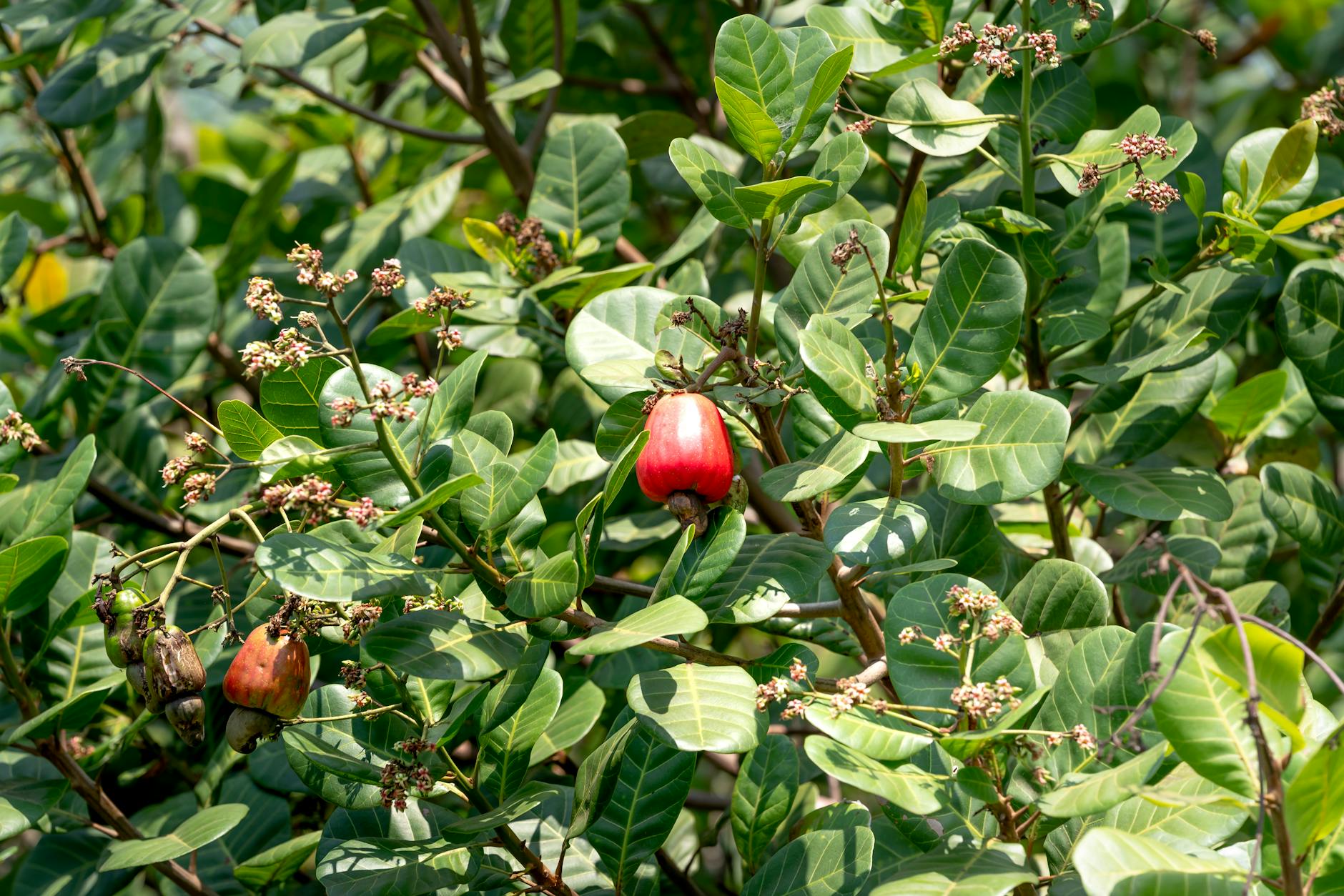
How Eating Cashews Compares to a Supplement Regimen
The practical question for most people is straightforward: should I buy a handful of cashews or a bottle of brain-health supplements? The honest answer is that they serve different purposes, though cashews win on several dimensions. A typical brain-health supplement might cost $25 to $40 monthly and contain 3 to 5 active ingredients in isolated, concentrated forms. The advantage is convenience: you take a pill or two with water, and you’re done. The disadvantage is that you’re essentially betting on a single formulation’s effectiveness, and research on complex nutrient interactions suggests that whole foods often outperform supplements because they provide compounds in the proportions and ratios that evolved to work together. A comparative analysis of nut consumption studies shows that people who regularly eat nuts—including cashews—have stronger associations with preserved cognitive function than people taking equivalent nutrient amounts from supplements.
This likely reflects both bioavailability (your body absorbs nutrients better from whole foods) and the reality that whole foods contain compounds we haven’t even identified yet. Cashews cost roughly $0.50 to $1.00 per ounce at typical grocery stores, meaning a daily handful costs about $3.50 to $7.00 weekly—competitive with many supplement regimens. They’re shelf-stable, require no special handling, and deliver nutrients in a form your digestive system immediately recognizes. The tradeoff is that eating whole foods requires intention: you need to remember to eat them, and they’re less convenient than popping a capsule. For people with swallowing difficulties or severe digestive issues, this can be a significant limitation.
Important Limitations and Practical Warnings
The brain-health supplement industry has created unrealistic expectations about what nutrition can achieve. It’s essential to state clearly: eating cashews will not reverse existing cognitive decline, will not halt Alzheimer’s disease progression, and will not restore lost memory. Nutrition is preventive, not curative. For someone already experiencing significant cognitive symptoms, cashews are a supportive strategy alongside medical care, not a replacement for it. This distinction is crucial because depression, anxiety, and dangerous delays in seeking medical evaluation have all resulted from people overestimating what food or supplements can accomplish. Additionally, cashews are calorie-dense, containing roughly 155 calories per ounce.
For people managing weight—which itself influences cognitive aging—this matters. A daily handful of cashews adds approximately 160-200 calories to your diet, and some people may inadvertently consume excessive amounts while believing they’re getting a health benefit. There’s also an allergy consideration: tree nut allergies are common, and cashews can trigger severe reactions in sensitive individuals. For those with allergies, the neuroprotective benefits are irrelevant. A final practical warning: if you’re taking blood-thinning medications or have pending surgery, discuss nut consumption with your healthcare provider. Cashews contain vitamin K, which can interact with certain medications, and the fat content can affect absorption timing for some drugs. The safety profile of cashews is excellent for the general population, but this doesn’t mean they’re universally appropriate for everyone.

Real-World Application for Brain Health
The most practical approach integrates cashews into a broader cognitive-protection strategy rather than viewing them as a standalone solution. Consider someone in their 50s concerned about maintaining cognitive sharpness into later life: combining regular cashew consumption with cardiovascular exercise (which powerfully supports brain blood flow), adequate sleep, cognitive engagement, and social connection creates a comprehensive prevention approach. In this context, cashews aren’t a miracle—they’re a logical, evidence-based component of behavior that humans have used for millennia to stay healthy.
One concrete example: a person establishing a “brain health morning routine” might pair a small handful of cashews with berries (additional antioxidants) and coffee (caffeine and polyphenols), creating a multimodal neuroprotective breakfast. This approach costs roughly the same as a specialty coffee drink but provides a nutrient density that no supplement alone could match. The social and psychological benefit of intentionally eating for brain health is also measurable: people who feel actively engaged in protecting their cognition report better motivation to maintain other healthy behaviors and reduced anxiety about aging.
The Future of Food-Based Brain Protection
The trajectory of neuroscience research is increasingly confirming what traditional food cultures have long practiced: diet is foundational to brain health, and whole foods generally outperform extracted supplements. As functional neuroimaging becomes more sophisticated and our understanding of how specific compounds reach brain tissue improves, we’re likely to see more specific recommendations about foods like cashews.
Already, Mediterranean diet research—which emphasizes nuts, olive oil, and whole grains—shows the strongest associations with preserved cognitive function across lifespan. Looking forward, the question isn’t whether to choose cashews or medical intervention; it’s how to build brain-protective habits early enough that you may never need medical intervention for cognitive decline. For most people, that’s the realistic power of nutrition: prevention, not cure.
Conclusion
Cashews may protect your brain better than supplements because they deliver multiple neuroprotective compounds in forms that your body processes efficiently and in ratios calibrated by evolutionary history. The 2024 research confirming their capacity to guard against neurological damage, reduce anxiety-related cognitive effects, and provide B vitamins and antioxidants adds scientific weight to what basic nutritional science already suggested: whole foods usually outperform isolated nutrients.
If brain health matters to you—and given rising concerns about cognitive aging and dementia, it should—a simple shift toward including regular cashews in your diet offers genuine benefit with minimal downside. They’re affordable, shelf-stable, convenient, and backed by growing peer-reviewed evidence. They’re not a substitute for medical care, proper sleep, exercise, or cognitive engagement, but they’re a concrete, science-supported action you can take today to protect the brain you’ll want to depend on for decades to come.
You Might Also Like
- wild blueberries May Protect Your Brain Better Than Supplements
- whole grains May Protect Your Brain Better Than Supplements
- walnuts May Protect Your Brain Better Than Supplements
For more, see NIH MedlinePlus — dementia.