Yes, watercolor painting can work for moderate dementia when tasks stay simple and a helper gives hands-on support. For advanced dementia it can still work in very short, guided form, though some people with severe symptoms do better with passive sensory activities. Moderate and advanced dementia bring greater memory loss and need for help.
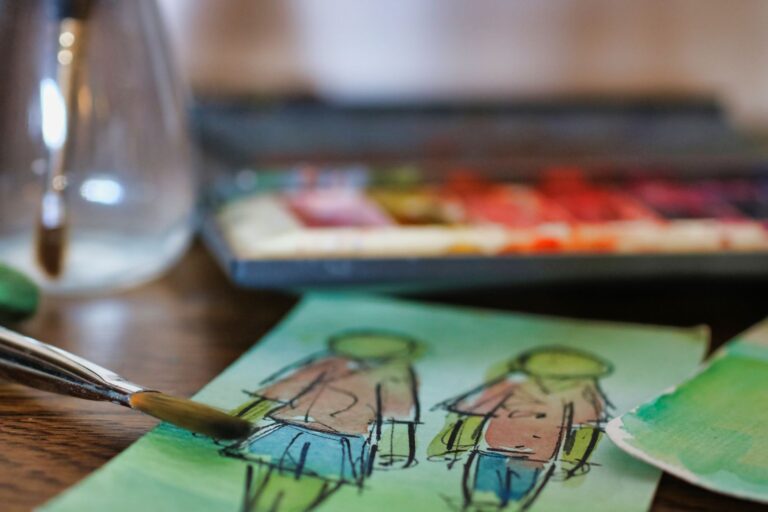
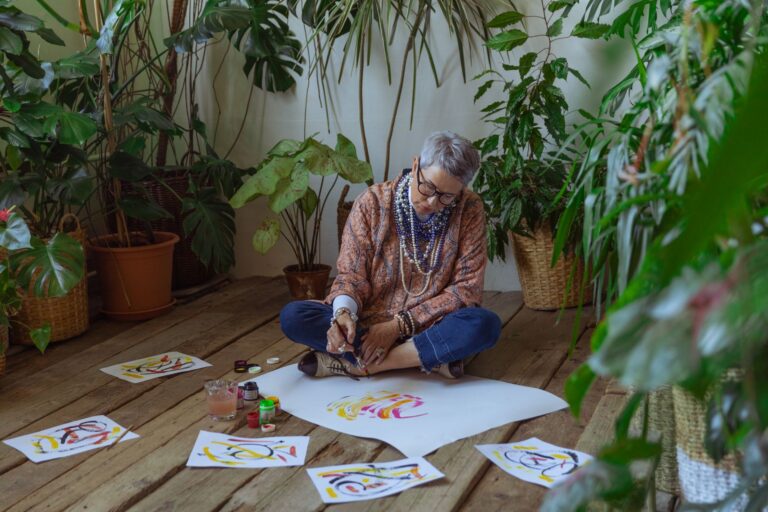
Memories in the Making is a structured art program for people with dementia. In adult-day and nursing-home sites, participants used watercolours and acrylics with facilitator help. They created images, revisited memories and enjoyed the process, as described in a Canadian Journal of Occupational Therapy scoping review from 2022.
Medical information disclaimer: This article is for general educational purposes only and does not provide medical advice, diagnosis, or treatment. Always consult a physician or other qualified health professional about symptoms, medications, tests, or treatment decisions.
Table of Contents
- What a supportive watercolor session looks like
- What benefits have been observed?
- Where are the limits in advanced dementia?
- How to set up a calm painting task
What a supportive watercolor session looks like
A workable task uses one clear image, large paper and few color choices. The helper starts the first brushstroke, then guides only as needed. The focus stays on the process, not a finished picture.
Build the subject around past interests, such as gardens, houses or water. Keep the project adult in tone, not childlike. Use supervision, safe non-toxic materials and easy cleanup. This calm setup reflects Alzheimer's Association art-activity guidance summarized in a 2017 caregiving tip sheet.
What benefits have been observed?
Researchers compared Memories in the Making with other structured activities for people with dementia. Participants showed more interest, sustained attention, pleasure, self-esteem and normalcy during art. They showed no rise in sadness or negative affect, according to Kinney and Rentz in the American Journal of Alzheimer's Disease in 2005.
A three-arm trial enrolled 54 older adults with dementia. One group received 50 minutes of art therapy weekly for 12 weeks. Agitated-behavior symptoms fell, and gains held after the program, the Journal of Nursing Research reported in a 2020 trial by Huang and colleagues.
Where are the limits in advanced dementia?
Program experience points to a clear split by stage. People with mild-to-moderate dementia often join freely and follow simple brush steps. People with severe dementia more often use passive activities such as touch, aromatherapy or pet therapy. A 2011 MDedge report on creative-expression programs noted that split.
A 2018 Cochrane systematic review found too little strong trial evidence to judge art therapy for dementia and called for better studies. That means painting sessions offer engagement and calm in the moment, not proven treatment. Watch for fatigue, restlessness or paint-to-mouth behavior. Shorten the task, offer a break or switch to looking at colors together. Forcing completion can raise distress and erase the pleasure.
How to set up a calm painting task
Choose a quiet table, good light and one small goal. Large brushes, thick paper and few colors reduce choice strain.
Keep water shallow and aprons ready. Label the work with name and date, then display it where the painter can see it. The Alzheimer's Association caregiving guidance says art projects can create accomplishment and purpose and give self-expression to painter and caregiver.
- Offer one adult image, such as a flower, boat or hill.
- Paint the first stroke together, then let the person continue.
- Praise steady attention and color choice, not accuracy.
- Keep the session short and offer breaks.