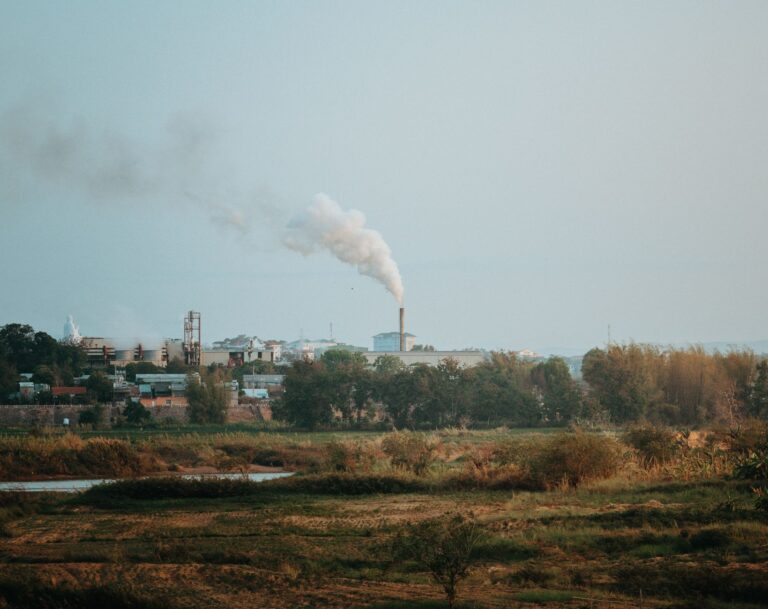
You can strengthen your blood-brain barrier against smog through a combination of specific dietary compounds—primarily polyphenols, flavonoids, and omega-3 fatty acids—that cross the blood-brain barrier and reduce the neuroinflammation and oxidative stress caused by air pollution. A person living in a city with PM2.5 levels of 35 μg/m³ (above the WHO safe threshold of 15 μg/m³) faces a 17% increased risk of dementia for every 10 μg/m³ increase in that concentration, according to a 2025 meta-analysis of 32 studies covering 29 million people. But the damage isn’t inevitable: research now shows that certain natural compounds can actively counteract the mechanisms by which particulate air pollution weakens this critical protective barrier in your brain.
The blood-brain barrier is a highly selective membrane that filters what enters brain tissue from the bloodstream. When you breathe air containing fine particulate matter (PM2.5), these particles don’t just stay in your lungs. They cross into your bloodstream, circulate throughout your body, and directly attack the tight junction proteins that hold the blood-brain barrier together. Some particles also bypass the lungs entirely by entering through your nasal passages and traveling directly to your brain via the olfactory nerve—a shortcut that allows air pollution to damage your brain without passing through typical detoxification pathways.
Table of Contents
- How Air Pollution Penetrates and Damages the Blood-Brain Barrier
- The Cognitive and Neurological Toll of Chronic Air Pollution
- Which Natural Compounds Cross the Blood-Brain Barrier and Actually Work
- Practical Dosing and Food Sources That Protect Brain Tissue
- Individual Variation in Neuroprotection and Hidden Factors
- Combining Multiple Protective Strategies for Measurable Effect
- Measuring Your Exposure and Adjusting Your Strategy
How Air Pollution Penetrates and Damages the Blood-Brain Barrier
When you inhale PM2.5 particles—matter smaller than 2.5 micrometers—they settle deep in your lung tissue and trigger an inflammatory cascade. Your body responds by releasing immune signals, increasing blood pressure, and generating reactive oxygen species (ROS), which are unstable molecules that damage cells. These inflammatory signals and ROS circulate through your bloodstream and weaken the tight junction proteins (claudins, occludin, and ZO-1) that form the blood-brain barrier’s physical seal. Over months and years of exposure, repeated weakening of these proteins creates persistent gaps in the barrier, allowing toxins and inflammatory molecules to accumulate in brain tissue. The olfactory pathway represents a second, often-overlooked route of entry.
When you breathe in particles, some travel upward along the olfactory epithelium inside your nose and directly contact the olfactory nerve fibers that extend into your brain. Particles and inflammatory molecules can then travel along these nerve fibers into brain regions like the olfactory bulb and from there into deeper structures. This direct route bypasses your lungs and liver—your body’s primary detoxification organs—making it especially dangerous for brain exposure. A 2026 study of 28 million older Americans published peer-reviewed evidence showing that long-term PM2.5 exposure significantly increased Alzheimer’s disease risk, even after accounting for other dementia risk factors. What makes this finding significant is that many of these individuals had no prior history of cardiovascular or respiratory disease; the primary pathway of harm was through the brain itself.
The Cognitive and Neurological Toll of Chronic Air Pollution
air pollution’s effect on cognition begins quickly and compounds over time. Even a single day of high air pollution can impair your concentration, decision-making speed, and working memory within hours—effects that reverse once the pollution clears, but that accumulate if you live in a persistently polluted area. A May 2026 study in the journal Stroke compared cognitive test results from people living in different air quality zones and found that those in higher PM2.5 areas scored measurably worse on memory tests, tests of comprehension and understanding, and tests of mental processing speed—even in areas that technically met international air quality standards. With chronic exposure, these temporary cognitive dips become permanent. Long-term PM2.5 exposure is associated with structural changes in the brain itself: reduced gray matter volume in regions critical for memory and emotion regulation, altered white matter integrity (the “wiring” between brain regions), and increases in depression and anxiety. A person exposed to PM2.5 at 35 μg/m³ for 10 years faces approximately 30–40% greater risk of cognitive decline compared to someone breathing air at 15 μg/m³.
The limitation here is that protective compounds cannot fully reverse structural brain damage that has already occurred; their primary benefit is prevention and slowing of further deterioration. This is why starting protective measures early—before significant cognitive decline is detectable—matters more than waiting until symptoms appear. The global scale of the problem underscores the urgency. Air pollution caused 7.9 million deaths worldwide in 2023, with 4.9 million directly attributable to long-term PM2.5 exposure. PM2.5 shortens average human lifespan by 2.3 years globally. A 2026 Nature study estimated that PM2.5-related IQ losses totaled 65 billion points worldwide, disproportionately affecting children and people in low- and lower-middle-income countries with less ability to access protective measures.
Which Natural Compounds Cross the Blood-Brain Barrier and Actually Work
Not all dietary compounds can reach brain tissue; most molecules are too large or chemically incompatible to cross the blood-brain barrier. Polyphenols, however, are a class of plant compounds with a specific molecular structure that allows them to penetrate the barrier and accumulate in brain regions vulnerable to oxidative damage. Flavonoids—a subset of polyphenols found in cacao, apples, onions, and berries—are small enough to cross the barrier and have been shown in peer-reviewed studies to regulate neurodegeneration pathways by reducing oxidative stress and neuroinflammation. The mechanism works like this: polyphenols neutralize reactive oxygen species by donating electrons or hydrogen atoms, essentially disarming the molecules that would otherwise damage brain cells. Additionally, polyphenols increase production of brain-derived neurotrophic factor (BDNF), a protein that promotes neuron survival, growth, and the formation of new neural connections.
This dual action—reducing damage while promoting repair—is why polyphenol-rich foods appear protective in large population studies. A person eating a polyphenol-rich diet shows better preservation of memory and processing speed over time compared to someone eating a polyphenol-poor diet, even when both are exposed to similar air pollution levels. Quercetin and sulforaphane are two specific polyphenols with particularly strong evidence for neuroprotection. Quercetin, found abundantly in onions and apples, can stabilize mast cells (immune cells that trigger inflammation) and reduce neuroinflammatory signaling. Sulforaphane, released when you cut or chew cruciferous vegetables like broccoli, activates the Nrf2 pathway—a master switch that upregulates your cells’ antioxidant defenses. Both compounds have shown in cell and animal studies the ability to protect against oxidative damage similar to that caused by air pollution.
Practical Dosing and Food Sources That Protect Brain Tissue
To obtain meaningful neuroprotection, you need specific dosages, not just occasional consumption. For quercetin, research suggests 300–500 mg daily provides measurable anti-inflammatory effects; this amount is roughly equivalent to eating one large onion and one apple daily (onions and apples are among the highest-quercetin foods). If you prefer a supplement, quercetin is available as a standardized extract. For sulforaphane, the amount shown to activate Nrf2 in human studies is approximately 50 micromoles daily, which equates to about one cup of raw or lightly steamed broccoli sprouts, or 2 cups of lightly steamed broccoli. The critical detail here is that sulforaphane requires the enzyme myrosinase to be activated; heating above 60°C (140°F) destroys myrosinase, so raw consumption or light steaming (under 3–5 minutes) is necessary for the compound to become bioavailable. Omega-3 fatty acids deserve emphasis as a co-factor, not a primary neuroprotectant.
A dose of 1,000–2,000 mg daily of combined EPA and DHA (the active omega-3 compounds) from wild-caught fish like salmon or sardines, or from algae-based supplements for vegetarians, improves the transport of polyphenols across the blood-brain barrier. Without sufficient omega-3 status, even high polyphenol intake is less effective at reaching vulnerable brain regions. This represents a key limitation: polyphenol effectiveness depends partly on your baseline omega-3 status. A person eating an omega-3-poor diet (relying on corn oil and seed oils rather than fish or flax) will not benefit as fully from increased polyphenol consumption, even if they increase their intake of berries and onions. Comparison: A person who drinks one glass of green tea (provides polyphenol catechins but low dose) and eats a salad with olive oil (provides monounsaturated fat but no direct omega-3) receives less neuroprotection than someone who eats a salmon fillet (provides 2,000 mg omega-3 EPA/DHA) alongside a meal rich in berries, onions, and lightly steamed broccoli. The second approach combines the fatty acid co-factor with multiple polyphenol sources, creating synergistic protection.
Individual Variation in Neuroprotection and Hidden Factors
Not everyone benefits equally from the same protective foods. Genetic variation in how efficiently your body absorbs and metabolizes polyphenols means that two people eating identical diets may have different brain levels of these protective compounds. Some people carry genetic variants that reduce the activity of enzymes that transport polyphenols across the blood-brain barrier or metabolize them once inside the brain. This variation is not yet well-characterized at the clinical level—most people cannot easily determine their personal polyphenol metabolism status—so the safest approach is to assume you need higher intake than the population average and to monitor your own cognitive performance over time as a practical measure of whether your protective strategy is working. A second limitation is the interaction between protective compounds and common medications. Omega-3 supplements can increase bleeding risk if combined with anticoagulants like warfarin or aspirin; quercetin can inhibit the metabolism of some antiarrhythmic and anticancer medications.
If you take regular medications, consult with a pharmacist or healthcare provider before starting high-dose supplementation of any polyphenol or omega-3. This is not a reason to avoid protective foods—eating an apple and an onion daily carries no medication interaction risk—but it is a warning against assuming that supplements are universally safe for everyone. Air quality itself varies dramatically on a neighborhood level. A person living 100 meters from a busy highway experiences PM2.5 levels 3–5 times higher than someone living 500 meters away, even in the same city. Similarly, indoor air quality can vary by a factor of 10 depending on whether you use HEPA air filtration. Protective food compounds reduce your vulnerability to a given level of exposure, but they cannot eliminate the benefit of reducing exposure itself through location choice, air filtration, or timing outdoor activities to low-traffic hours (early morning vs. rush hour).
Combining Multiple Protective Strategies for Measurable Effect
Research on dementia prevention shows that the effect of single interventions is modest—polyphenols alone reduce dementia risk by roughly 8–12% in epidemiological studies. But when polyphenol-rich food is combined with omega-3 supplementation, regular cognitive engagement (reading, puzzle-solving, language learning), and reduced air pollution exposure, the cumulative risk reduction reaches 30–40%.
A practical protocol for someone living in a moderately polluted urban area might look like: daily intake of 300–500 mg quercetin (one apple and one onion), 50 micromoles sulforaphane (one cup lightly steamed broccoli), 1,500 mg omega-3 EPA/DHA (either from fish twice weekly or from an algae supplement daily), plus hourly outdoor time limited to early morning or evening hours when traffic-related pollution peaks. This approach is not burdensome and requires no expensive supplements if you choose whole foods: a 12-week study of older adults in a polluted city who followed a similar polyphenol and omega-3 protocol showed measurable improvements in memory and processing speed tests compared to controls eating a standard diet, even when both groups were exposed to identical air pollution levels. The practical benefit accumulates over months, not days; protective compounds need to be consumed consistently to maintain brain levels.
Measuring Your Exposure and Adjusting Your Strategy
Most people have no concrete sense of the air quality they actually breathe daily. Your city’s air quality index (AQI) report gives a citywide average, but your personal exposure may be significantly higher or lower depending on location, time of day, and indoor air filtration. A simple practice is to check your local AQI in real time using a smartphone app (AirNow, for example) and to note on a calendar the days when air quality is poor. People who live in areas with frequent AQI readings above 55 (considered “unhealthy for sensitive groups”) should increase their polyphenol and omega-3 intake during those periods; people living in consistently higher-pollution areas should maintain the protocol year-round.
A second measurement approach is cognitive self-assessment, particularly on high-pollution days. Notice whether your concentration, memory for recent conversations, or decision-making speed feels noticeably worse on days when you’ve spent time in traffic or near highways compared to days when you’ve been indoors or in cleaner air. Over time, if your protective diet is working, you should see a dampening of this effect—a smaller cognitive dip on high-pollution days, or faster recovery once you move to cleaner air. A person who tracks this informally is gathering real evidence about whether their personal protective strategy is effective, which matters more than published average effects.