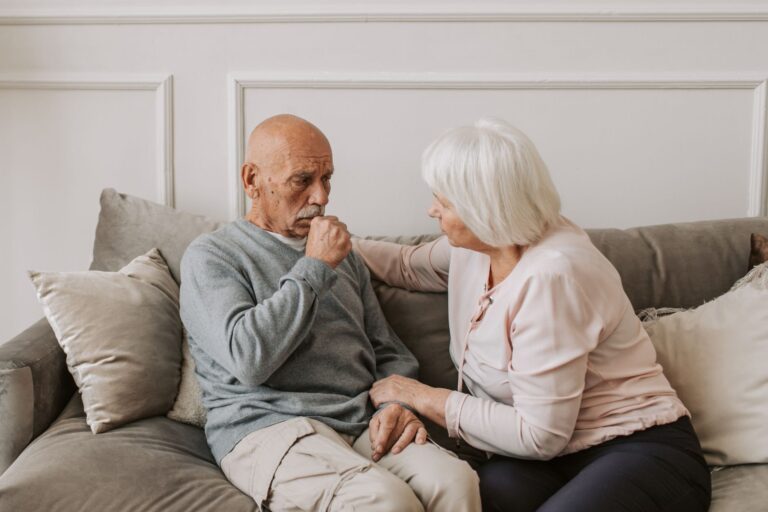
A dementia care safety checklist is a room-by-room and behavior-based plan to spot hazards like wandering, falls, fire, poisoning, and medication errors before they cause harm. Dementia impairs judgment, memory, and depth perception, so a home that once felt safe can become dangerous at any stage of the disease, according to the National Institute on Aging. This guide walks through the main risks, the warning signs that a person's needs have changed, and concrete prevention steps you can act on today. It also names the limits of any checklist, because no single fix removes risk entirely.
Medical information disclaimer: This article is for general educational purposes only and does not provide medical advice, diagnosis, or treatment. Always consult a physician or other qualified health professional about symptoms, medications, tests, or treatment decisions.
Table of Contents
- The four risks that belong on every checklist
- Warning signs that safety needs have changed
- Room-by-room prevention steps
- Bring a clinical falls screen into the plan
- What a checklist cannot do
- Frequently Asked Questions
The four risks that belong on every checklist
Most serious home injuries in dementia trace back to a short list of hazards. Focus your attention here first, since these carry the highest chance of a life-threatening outcome.
Fall data underscores the stakes. about 1 in 4 older adults report falling each year, and the age-adjusted fall death rate rose roughly 21%, from 64.7 to 78.4 per 100,000, according to the CDC.
- **Wandering:** Six in 10 people living with dementia will wander at least once, often repeatedly, and it can happen at any stage, reports the Alzheimer's Association.
- **Falls:** Falls are the leading cause of injury death among adults 65 and older, and people with cognitive impairment face elevated risk from gait and depth-perception changes.
- **Poisoning and medication errors:** Confusion can lead to swallowing cleaning products, taking double doses, or mistaking pills.
- **Fire:** Forgetting a lit stove or cigarette is a common and rapid danger.
Warning signs that safety needs have changed
A checklist is not a one-time task. Watch for behavior shifts that signal a person now needs more supervision or a changed environment.
Departure cues matter most for wandering. The NIA advises hiding coats, keys, shoes, and luggage, and never leaving a person with a wandering history unattended, in its guidance on coping with wandering and getting lost.
- Talking about "going home" or "going to work" when already home, or pacing near doors.
- Getting lost on a familiar route, or trouble locating the bathroom or kitchen.
- New unsteadiness, holding walls, or a recent stumble.
- Trouble telling look-alike items apart, such as a cleaning bottle and a drink.
- Confusion about which pills to take or when.
Room-by-room prevention steps
prevention works best when you match a fix to a specific hazard. The NIA's home safety and fall-prevention guidance recommends a few high-value changes.
For exits, the NIA suggests keyed deadbolts or locks placed high or low on doors, plus door alarms. Make sure the person always wears ID or a medical bracelet with contact information, so a first responder or neighbor can help if they do leave.
- Lock away medicines, cleaning products, knives, matches, guns, and alcohol.
- Install grab bars in the bathroom and beside the toilet.
- Remove throw rugs and clear cords from walking paths.
- Improve lighting in hallways, stairs, and at night.
- Set water heaters low to prevent scalding, and lower stove controls or add safety knobs.
Bring a clinical falls screen into the plan
Home changes reduce falls, but a clinician can catch risks you cannot, such as blood-pressure drops or medication side effects that cause dizziness. Raise this at the next medical visit.
The CDC's STEADI initiative — Stopping Elderly Accidents, Deaths, and Injuries — offers a validated screen-assess-intervene checklist. Ask the doctor to review gait, balance, and any drugs that affect alertness or blood pressure. This turns a general worry into a specific, trackable care plan.
What a checklist cannot do
No single measure eliminates risk, and treating locks or alarms as a substitute for a caregiver is a mistake. The NIA is explicit that these tools should reduce, not replace, supervision.
There is also a safety and legal line: a person should never be locked in a home alone, because a fire or medical emergency requires a fast exit. Build supervision and an emergency plan around your devices, not the other way around. For an added layer, families can enroll in the MedicAlert and Alzheimer's Association 24/7 wandering support program, which pairs an ID bracelet with an emergency response line if a person goes missing.
Frequently Asked Questions
At what stage should I start safety-proofing the home?
Start early. Wandering and falls can occur at any stage, so putting locks, grab bars, and ID in place before a crisis gives you the most protection.
Are door locks and alarms enough to stop wandering?
No. The NIA says they should reduce, not replace, supervision, and a person must never be locked inside alone in case of an emergency.