
Major cities worldwide are experiencing unprecedented blackouts triggered by military attacks and infrastructure failures, creating urgent challenges for millions of people—and posing particular health risks for elderly populations and those living with dementia. Since February 2026, Ukraine has faced ongoing Russian drone and missile strikes that have left tens of thousands without power during freezing winter temperatures, while Iran’s internet blackout has isolated 90 million people, Cuba has suffered three cascading nationwide power failures affecting all 11 million residents, and a San Francisco utility failure impacted 137,000 residents. For families and caregivers managing dementia care, these blackouts represent more than temporary inconvenience—they disrupt medication refrigeration, medical equipment operation, climate control, and the structured routines that many people with cognitive decline depend on for safety and well-being. This article examines what’s driving these blackouts globally, why they pose heightened risks for dementia patients, and how to prepare for power disruptions that may become more frequent.
Table of Contents
- What Is Causing Widespread Blackouts Across Multiple Continents?
- How Extended Power Outages Affect Dementia Care and Brain Health
- Why Dementia Patients Face Heightened Risk During Power Disruptions
- How Families and Care Facilities Should Prepare for Extended Blackouts
- Additional Health Complications That Escalate During Power Loss
- Communication and Monitoring Without Power
- Learning From Global Blackout Events and Future Preparedness
- Conclusion
What Is Causing Widespread Blackouts Across Multiple Continents?
The blackouts reported in 2026 stem from two primary causes: military conflict targeting civilian infrastructure and cascading failures in aging electrical systems. In Ukraine, Russian military attacks have directly targeted power and gas facilities across multiple regions—on February 9, 2026, drone and missile strikes killed civilians and left tens of thousands without electricity in Zaporizhzhia, Kherson, Kharkiv, and Donetsk. Most recently, on March 21, 2026, Russia’s attack left the entire Chernihiv region in northern Ukraine without power. These aren’t isolated incidents but part of a sustained campaign to degrade energy infrastructure during winter months, when loss of power creates life-threatening conditions. Unlike temporary grid disruptions, these blackouts are weaponized—deliberately targeting civilian populations’ ability to heat homes, access refrigerated medications, and power medical devices.
Cuba’s blackout crisis reveals how military and geopolitical pressures can cascade into infrastructure collapse. On March 4, 2026, blackouts hit western Cuba including Havana; on March 16, 2026, the entire island lost power; and on March 21, 2026, a generator failure at the Nuevitas power plant triggered another cascading outage. The underlying cause isn’t military attack but fuel shortage—Russia and Venezuela have reduced fuel shipments to Cuba, leaving the Antonio Guiteras Thermoelectric Power Plant (the nation’s largest electricity provider) unable to maintain operations. All 11 million Cuban residents have experienced total darkness. San Francisco’s experience differs slightly: a December 20, 2025, fire at a Pacific Gas & Electric substation affected 137,000 residents, demonstrating how aging infrastructure in developed nations can fail catastrophically without external military pressure.

How Extended Power Outages Affect Dementia Care and Brain Health
For families managing dementia at home, blackouts create cascading problems that conventional emergency planning may not adequately address. Dementia patients often take medications that require consistent dosing—anticholinesterase inhibitors like donepezil or memantine that slow cognitive decline must be taken on precise schedules, and refrigerated medications cannot be stored safely for extended periods. A three-day blackout means no refrigeration for insulin if a patient has diabetes, no power for oxygen concentrators for those with respiratory disease, and no ability to charge monitoring devices or communication tools. However, if blackout duration extends beyond 4-6 hours, the cognitive effects become compounded: disrupted sleep cycles from loss of evening lighting trigger confusion and behavioral changes; inability to maintain home temperature in winter increases risk of hypothermia, which accelerates cognitive decline; and the stress and uncertainty of power loss can trigger acute delirium in people with existing dementia, creating dangerous behavioral crises.
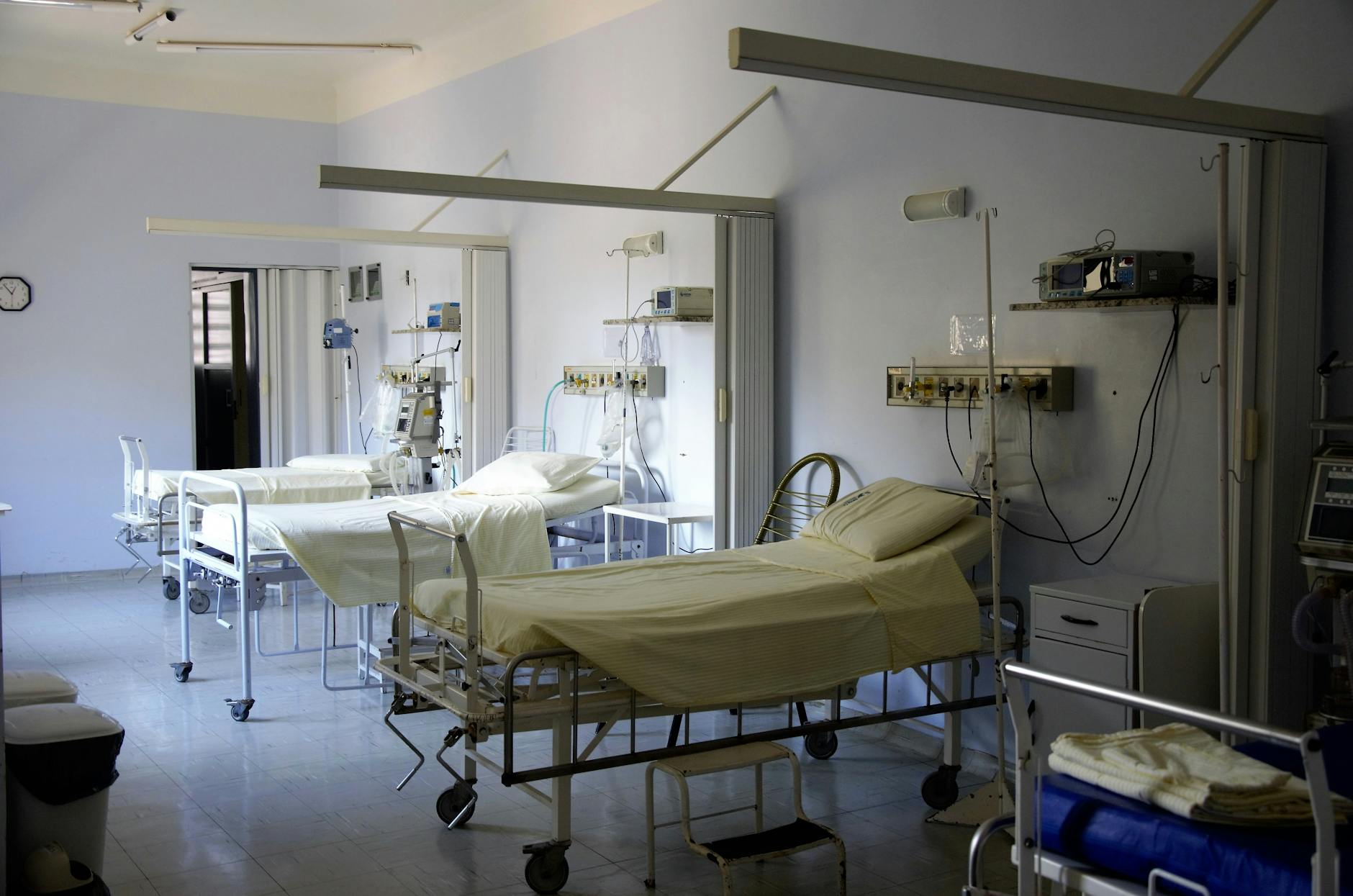
Institutional care facilities face even more severe challenges. Nursing homes and assisted living communities managing dozens of dementia patients cannot maintain safe conditions without electricity for heating, lighting, medication storage, and staff communication. The power outage in Cuba affected care facilities caring for hundreds of thousands of elderly residents—without air conditioning in tropical heat or reliable lighting for nighttime care, facilities quickly became dangerous. Extended blackouts in Ukraine have forced some care facilities to relocate vulnerable residents during active military operations, compounding the cognitive distress that relocation itself causes in dementia patients.
Why Dementia Patients Face Heightened Risk During Power Disruptions
People with dementia have reduced neurological capacity to adapt to environmental stressors, making blackouts particularly dangerous. Normal stress triggers the release of cortisol and adrenaline, hormones that help young, cognitively intact people respond to emergencies. In dementia, the prefrontal cortex—responsible for executive function, planning, and stress regulation—is already compromised, meaning sudden loss of familiar environmental cues (darkness, absence of routine sounds, unfamiliar emergency lighting) can trigger severe confusion, agitation, and dangerous behavioral responses. A person with mild cognitive impairment may become disoriented when unable to see their bedroom at night; a person with moderate-to-severe dementia may attempt to leave the home or become combative with caregivers trying to prevent dangerous actions.
Cognitive decline also makes it harder for dementia patients to understand why their environment has changed or to follow new safety instructions. In Ukraine, elderly residents in affected regions have been unable to understand evacuation orders during blackouts, putting themselves at risk. Medications that manage behavioral symptoms often require consistent timing, and blackout-induced stress frequently triggers increased medication needs just when patients cannot access their medications reliably. Additionally, dementia patients often have comorbidities—high blood pressure, diabetes, heart conditions—that depend on consistent medication and cannot tolerate the physiological stress of prolonged power loss.
How Families and Care Facilities Should Prepare for Extended Blackouts
The most effective preparation for potential blackouts involves creating redundancy in three critical areas: medication storage and access, medical equipment operation, and routine maintenance. Families should maintain a 30-day supply of non-refrigerated medications in a cool, dry location (this is possible for many dementia medications, though it requires consulting the prescribing physician), keep a battery-powered or hand-crank medication organizer to maintain dosing schedules without electricity, and maintain printed lists of all medications with dosing instructions in case digital records become inaccessible. This differs substantially from general household emergency preparation—a dementia patient cannot rely on emergency food rations because medication access is the priority.
Medical equipment that runs on electricity (oxygen concentrators, CPAP machines, electric hospital beds) must have documented battery backup time and families should maintain knowledge of equipment specifications rather than assuming something will work during power loss. For institutional care, facilities should have generac generators with automatic switching and fuel reserves, backup dialysis or IV infusion capabilities for patients requiring them, and clear protocols for moving patients if blackouts exceed generator capacity. Cuba’s experience revealed that institutions without redundancy quickly became unsustainable—one cascading outage forced some facilities to transfer patients in the dark without proper transportation.
Additional Health Complications That Escalate During Power Loss
Dehydration becomes a serious risk during blackouts, particularly for dementia patients who may forget to drink water or may not communicate thirst clearly. Without refrigeration, caregivers cannot offer cold beverages that might encourage drinking, and inability to heat water means no warm beverages either—behavioral cues that help prompt intake disappear. In Cuba’s tropical blackout, dehydration-related emergency room visits increased sharply, and elderly patients with dementia were disproportionately represented. However, if caregivers maintain awareness of the risk and keep room-temperature water readily available with frequent prompting, dehydration can be prevented even during extended outages.
Thermoregulation failures create acute danger. In Ukraine’s winter blackouts, hypothermia deaths increased sharply among elderly residents; in Cuba’s heat without air conditioning, heat stroke became prevalent. Dementia patients cannot self-regulate by adjusting clothing or seeking appropriate shelter—a person who normally sleeps under blankets may remove them during confusion, or conversely, may overdress in heat and become dangerously hyperthermic. Caregivers must actively manage clothing, blankets, and room temperature using non-electric methods: opening windows strategically in heat, layering blankets in cold, and monitoring for signs of temperature extremes (shivering, lethargy, flushed skin, difficulty breathing).

Communication and Monitoring Without Power
Loss of electricity cuts off multiple communication pathways simultaneously—landline phones may lose power, cell networks may be overloaded or non-functional, and caregivers cannot reach emergency services reliably. For families managing dementia patients, this isolation creates secondary crises: if a behavioral emergency occurs during a blackout with communication disrupted, the caregiver has no way to summon help, increasing injury risk.
Facilities should maintain battery-powered or hand-crank radios tuned to emergency broadcasts, keep lists of neighbors and family members’ phone numbers in written form (not digital), and establish a buddy system with nearby facilities to maintain communication through alternative methods. GPS tracking devices designed for dementia patients (wearable devices that help locate wandering patients) typically require either cellular service or internet connectivity—both become unreliable during major blackouts. Traditional alternatives like identification bracelets with emergency numbers remain functional, but caregivers should understand that their usual technological safeguards may fail during extended power loss.
Learning From Global Blackout Events and Future Preparedness
As geopolitical tensions escalate and aging electrical infrastructure becomes increasingly vulnerable, blackouts may become more frequent and longer-lasting than previous generations experienced. Ukraine’s ongoing situation—months into regular blackouts—provides a real-time case study of how dementia care systems adapt to sustained power loss. Ukrainian care facilities have shifted toward diesel generators, established supply chains for fuel, created patient transfer protocols for when generators cannot sustain operations, and implemented low-tech routine systems that don’t depend on electricity for scheduling or documentation.
These adaptations, born of necessity, represent scalable models for other regions facing similar risks. The broader implication is that dementia care planning must now incorporate infrastructure resilience as a health consideration. Just as families plan for medication access and emergency care, they should plan for scenarios where normal electrical infrastructure may be unavailable for days or weeks. This includes geographic decisions about where to place loved ones in care facilities (facilities with visible generator capacity or location in areas with grid redundancy), understanding the specific dependencies of any home care situation, and maintaining relationships with neighboring resources that might provide support during infrastructure failure.
Conclusion
Blackouts reported across Ukraine, Iran, Cuba, and San Francisco in 2026 reflect both deliberate military attacks on civilian infrastructure and cascading failures in aging electrical systems—patterns likely to recur as geopolitical tensions escalate. For families and institutions managing dementia care, these blackouts represent more than temporary inconvenience: they create acute risks to medication management, medical equipment operation, temperature regulation, and the structured routines that dementia patients depend on for safety. Unlike general emergency preparedness, dementia-specific blackout planning requires focus on medication redundancy, non-electric backup systems for critical equipment, active management of patient behavior during environmental disruption, and clear protocols for institutional transfer if power loss extends beyond available backup capacity.
If you’re managing dementia care—either at home or overseeing institutional care—the time to plan for blackout scenarios is now, before power loss occurs. Review your specific medication requirements with your prescribing physician, identify non-electric alternatives for any essential medical equipment, establish communication protocols that don’t depend on electricity or cell networks, and maintain written emergency plans that your care team can execute even without power. The families and institutions in Ukraine and Cuba managing months of ongoing blackouts have demonstrated that deliberate preparation makes survival manageable, while lack of preparation creates crises.




