On the evening of March 23, 2026, at 11:40 p.m., an Air Canada Jazz Aviation regional jet collided with a Port Authority aircraft rescue and firefighting vehicle at LaGuardia Airport in New York, resulting in one of the airport’s most serious incidents in recent years. The collision killed the aircraft’s pilot and copilot and injured approximately 60 people, including 41 who received hospital care. Emergency crews from multiple agencies responded immediately to manage the crisis, evacuate the 72 passengers and 4 crew members aboard the jet, and provide medical care to those injured in the collision. This article examines what happened during this emergency event, how first responders managed the situation, and the broader implications for emergency response and patient care in high-stress situations.
Table of Contents
- What Happened During the LaGuardia Aircraft Collision?
- How Emergency Crews Managed the Response
- Medical Care and Hospital Response to Mass Casualty Incidents
- Supporting Passengers and Crew After a Traumatic Event
- How Traumatic Incidents Affect Brain Function and Memory
- Protecting Dementia Patients During Emergencies and Travel
- Strengthening Emergency Response Systems for Complex Medical Needs
- Conclusion
What Happened During the LaGuardia Aircraft Collision?
The Air Canada Jazz Aviation regional jet had departed from Montréal-Pierre Elliott Trudeau International airport and was approaching LaGuardia when the collision occurred. The Port Authority’s aircraft rescue and firefighting vehicle was responding to an unrelated incident involving a United Airlines flight that had reported an unusual odor in the cabin. As the fire truck navigated the airport grounds, it came into contact with the arriving aircraft near the runway.
The collision caused severe damage to the aircraft’s cockpit, with cables and debris hanging from the mangled front section of the plane—a level of structural damage that indicated significant impact force. Reports on the collision speed have varied, with some sources citing 104 mph while preliminary analysis suggested 24 mph, illustrating how difficult it is to accurately determine impact force in complex transportation accidents. The severity of the damage, particularly the destruction of the cockpit area, ultimately proved fatal for both pilots in the aircraft. The fire truck involved in the collision was crewed by Port Authority firefighters, four of whom were injured in the impact, with two requiring hospitalization for non-life-threatening injuries.

How Emergency Crews Managed the Response
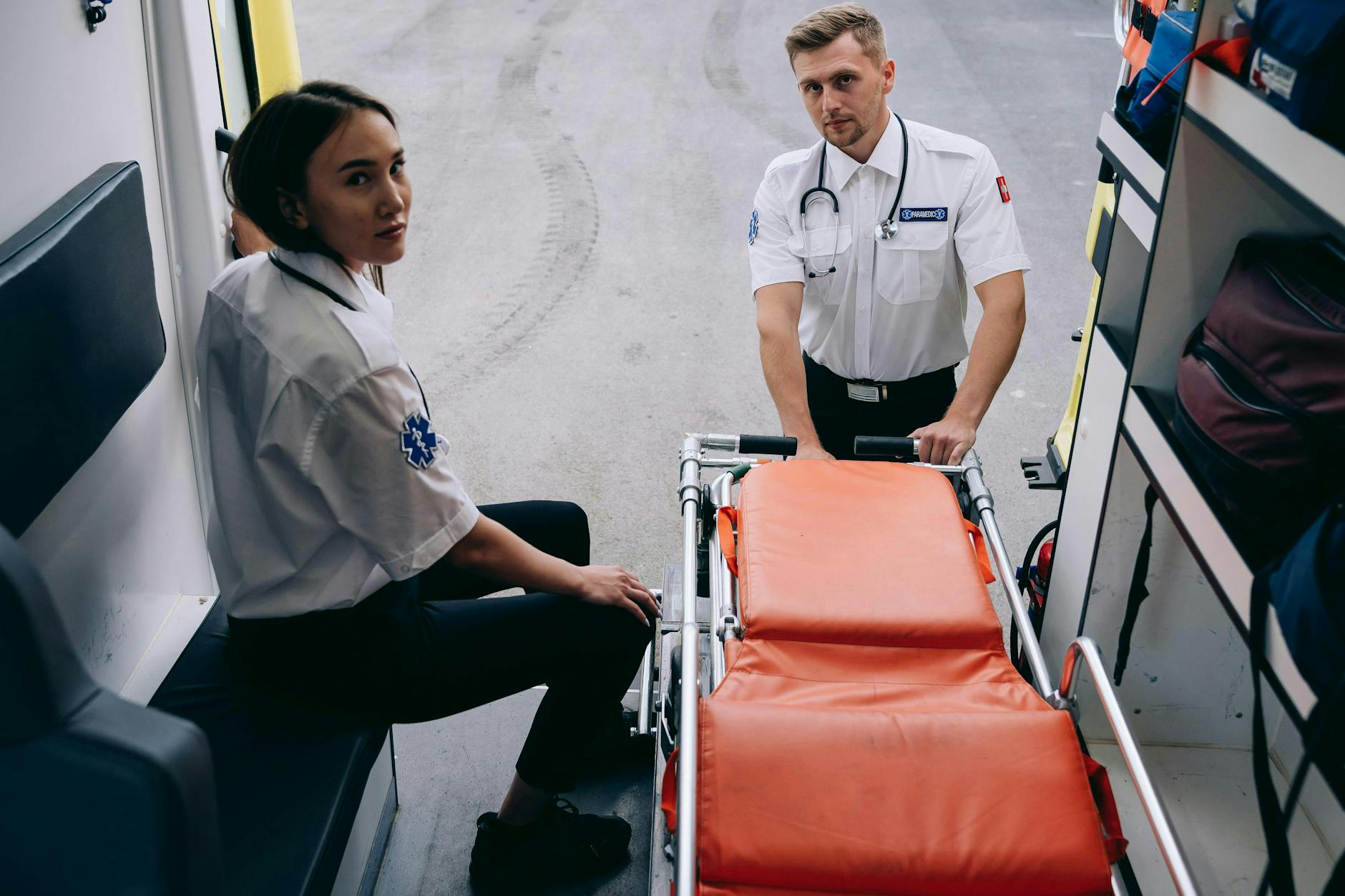
The immediate response to the collision was coordinated across multiple emergency agencies, as both the aircraft emergency and the fire truck incident required simultaneous attention. Port Authority personnel, paramedics, and fire departments converged on the scene to begin rescue and evacuation operations. The primary focus was removing passengers from the damaged aircraft and providing emergency medical care to those who were injured, a process complicated by the structural damage to the cockpit and the need to prevent further injuries during evacuation.
Of the approximately 60 people injured in the collision, 41 received hospital treatment. Of those hospitalized, 32 were released relatively quickly, while 9 remained hospitalized with serious injuries that required ongoing medical monitoring. This distribution of injury severity—with some patients requiring only urgent care and others needing intensive hospital support—is typical of major transportation incidents, where passengers near the point of impact tend to experience more severe injuries. The emergency response system’s ability to triage and distribute patients to appropriate medical facilities was crucial in managing the overall response.
Medical Care and Hospital Response to Mass Casualty Incidents
When a major transportation incident occurs, hospitals must rapidly shift into mass casualty protocol, a system designed to handle multiple injured patients with varying levels of severity. The 41 patients hospitalized from the LaGuardia collision presented with injuries ranging from minor trauma to serious fractures, internal injuries, and shock. Hospital emergency departments had to quickly assess each patient, stabilize those with life-threatening injuries, and determine which patients could be discharged and which required ongoing hospitalization.
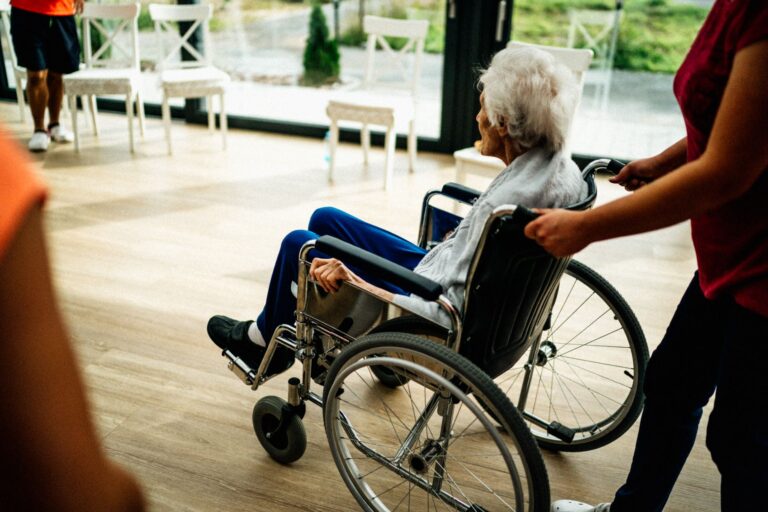
However, mass casualty response becomes more complicated when patients have pre-existing medical conditions, cognitive impairment, or dementia. These patients may have difficulty communicating about their injuries, understanding medical instructions, or tolerating the stress and disruption of emergency medical procedures. Elderly patients or those with neurological conditions require additional staff attention, clear communication protocols, and often the involvement of family members or caregivers who understand their medical history and baseline functional status.
Supporting Passengers and Crew After a Traumatic Event
The psychological impact of surviving a major aviation incident extends far beyond the immediate physical injuries. All 76 people aboard the aircraft—72 passengers and 4 crew members—experienced a traumatic event, regardless of whether they sustained visible physical injuries. This collective trauma can trigger anxiety, post-traumatic stress responses, sleep disturbances, and difficulty concentrating or remembering details of the incident. For some passengers, particularly older adults or those with existing cognitive concerns, the emotional and mental impact of such an event can be significant.
Support for survivors of major incidents typically includes immediate crisis counseling, information about mental health resources, and assistance with medical and insurance follow-up. Airlines and airport authorities often coordinate with mental health professionals to provide ongoing support to passengers and crew. This is particularly important for crew members who were working at the time of the incident and may experience guilt, anxiety about returning to work, or concerns about their professional standing. For passengers with dementia or cognitive impairment, the disorientation and stress of the incident may trigger behavioral changes or confusion that can last weeks or months.
How Traumatic Incidents Affect Brain Function and Memory
The human brain experiences significant physiological changes in response to traumatic stress. When exposed to sudden, severe danger or injury, the amygdala (the brain’s alarm center) becomes hyperactive, flooding the body with stress hormones like adrenaline and cortisol. These chemicals prepare the body for immediate physical response but can also impair the brain’s ability to process and record details of what happened. This is why survivors of traumatic incidents often have fragmented or incomplete memories of events, even when they weren’t unconscious.
For patients with dementia or mild cognitive impairment, the additional stress of a traumatic incident can accelerate cognitive decline or worsen existing memory and thinking problems. The stress hormones that flood the brain during trauma can disrupt the delicate balance of neurotransmitters that dementia patients depend on for their existing cognitive function. Research shows that trauma exposure in older adults and those with cognitive decline increases the risk of depression, anxiety, and further cognitive deterioration. This is why trauma-informed care that accounts for existing cognitive challenges is essential in the aftermath of incidents like the LaGuardia collision.

Protecting Dementia Patients During Emergencies and Travel
For family caregivers and healthcare providers supporting someone with dementia who travels or lives near airports, major incidents like the LaGuardia collision raise important questions about safety planning. Dementia patients who experience emergencies may become severely confused or disoriented, struggle to understand instructions from emergency personnel, or be unable to communicate their medical history or current medications. Caregivers should carry updated medication lists, medical alert identification, and contact information for the patient’s healthcare providers.
Additionally, dementia patients should be seated near caregivers or designated travel companions who can advocate for them during medical emergencies and communicate their needs to medical professionals. If a dementia patient witnesses or experiences a traumatic incident, the emotional aftermath may be prolonged and require specialized support from geriatric mental health professionals. Preparing for the possibility of emergencies—even if they seem unlikely—can significantly improve outcomes if an incident does occur.
Strengthening Emergency Response Systems for Complex Medical Needs
The LaGuardia collision demonstrates the complexity of managing modern emergency response, where a single incident can involve aircraft operations, ground vehicle operations, multiple agencies, and patients with diverse medical and cognitive needs. Future improvements in emergency response systems may include better coordination between airport operations and emergency services, enhanced protocols for identifying passengers with cognitive or communication challenges, and training for emergency responders on how to communicate effectively with older adults and those with dementia.
As the aviation industry and airport authorities continue to analyze this incident, the focus will likely include both technical safety improvements and enhanced protocols for passenger care and medical response. The goal is to create systems that respond not just to the immediate physical injuries of an incident, but also to the longer-term health needs of survivors, particularly those who are more vulnerable due to age, cognitive status, or pre-existing health conditions.
Conclusion
The March 23, 2026 collision at LaGuardia Airport resulted in tragic loss of life and significant injuries to crew members and passengers. The emergency response involved coordinated efforts across multiple agencies to evacuate the aircraft, provide emergency medical care, and transport patients to hospitals for ongoing treatment.
While the immediate crisis was managed through trained emergency response protocols, the longer-term impact on survivors—particularly those with cognitive impairment or dementia—continues to unfold through recovery and rehabilitation. For family members and caregivers of individuals with dementia, major incidents like this serve as important reminders of the need for advance planning, clear medical documentation, and strategies to protect vulnerable patients during emergencies. Supporting survivors of traumatic incidents requires attention not just to physical injuries, but to the cognitive and emotional impact that trauma has on the brain, especially in older adults and those with existing cognitive challenges.