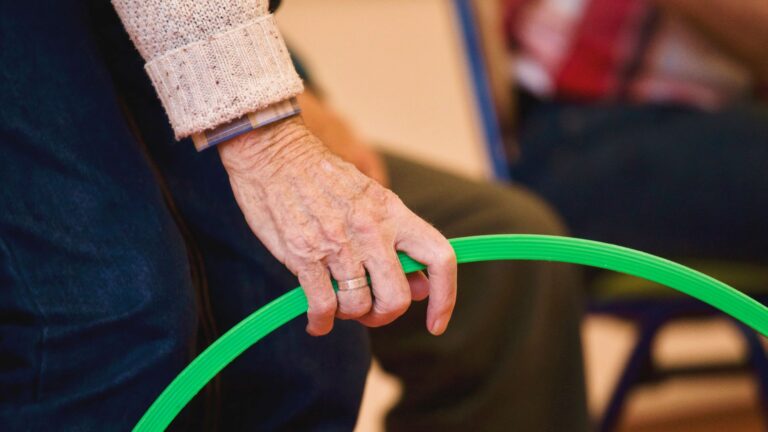
Lewy body dementia involves loss of dopamine signaling, and gentle exercise, pleasurable music, and joyful social activities help support it. Walking, dancing, shared movement, music listening, art, and calm daily routines are the most practical options. Dopamine helps carry signals for movement, mood, motivation, and attention. Caregivers cannot replace lost dopamine with activities alone, but they can use brief enjoyable moments to ease low mood and restlessness.
Medical information disclaimer: This article is for general educational purposes only and does not provide medical advice, diagnosis, or treatment. Always consult a physician or other qualified health professional about symptoms, medications, tests, or treatment decisions.
Table of Contents
- Why does movement lead the list?
- How does music release dopamine?
- Why add social and creative time?
- Which daily habits protect the gain?
Why does movement lead the list?
Gentle aerobic activity is often the first tool because it pairs movement with mood and sleep support. Short walks, slow dancing, easy cycling, or water activity fit many ability levels in early stages. The early-stage exercise guide from the Lewy Body Dementia Association recommends those forms to maintain muscle tone, balance, mobility, and sleep. Regular aerobic exercise also acts directly on reward circuits.
UC Berkeley's Greater Good Science Center reports that it increases dopamine release, storage, and receptor availability, as explained in five surprising ways exercise changes your brain. That effect supports motivation and attention during the day. Keep sessions short, steady, and supervised. Stop for dizziness, freezing, fatigue, or fear of falling, then try again later or choose seated movement.
How does music release dopamine?
Pleasurable music triggers natural dopamine release in the striatum, a deep brain area tied to reward. Anticipation activates the caudate, while peak emotional chills activate the nucleus accumbens. The McGill University team described this pattern in the McGill music and dopamine report. Use songs the person already loves, not unfamiliar background music.
Play one or two favorites, watch breathing and facial ease, and hum or tap along when welcomed. End before fatigue sets in so the good feeling lasts. Music therapy is also a recommended care option for low mood and agitation. It works best as a calm, chosen ritual, such as after lunch or before evening restlessness.
Why add social and creative time?
Shared activity adds bonding, enjoyment, and motivation to movement. Walk with a friend, join gentle group movement, or try seated ball and balloon games. A partner provides pace, safety, laughter, and a reason to continue.
Art and other joyful activities can reduce depression and agitation when matched to current ability. Offer simple painting, collage, clay, looking at photos, or light gardening. Keep choices to two, keep tools large and safe, and praise effort rather than result.
- Pick a familiar partner or small group
- Choose seated options after a poor night or long clinic day
- Keep it to 10 to 20 minutes with rest breaks
- Save the favorite song or game for tough times of day
Which daily habits protect the gain?
Sleep, rhythm, light, food, and calm support clearer thinking and steadier mood. Keep a consistent wake time, bedtime, meal time, and activity time. Use morning daylight, balanced meals with protein, and quiet evenings. Calm routines matter because overstimulation can worsen confusion.
Lower noise, give one instruction at a time, and leave space between tasks. A short rest after exercise or visitors often helps more than another activity. Direct trials of exercise specifically in Lewy body dementia remain sparse, so dopamine benefits are borrowed from general brain and Parkinson research. Use these activities for comfort, function, and connection, alongside medical care, not as proof of slowing the disease itself.