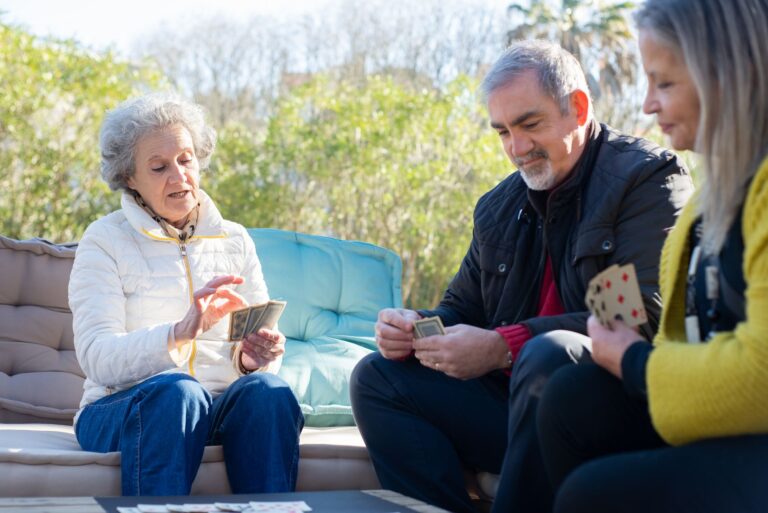
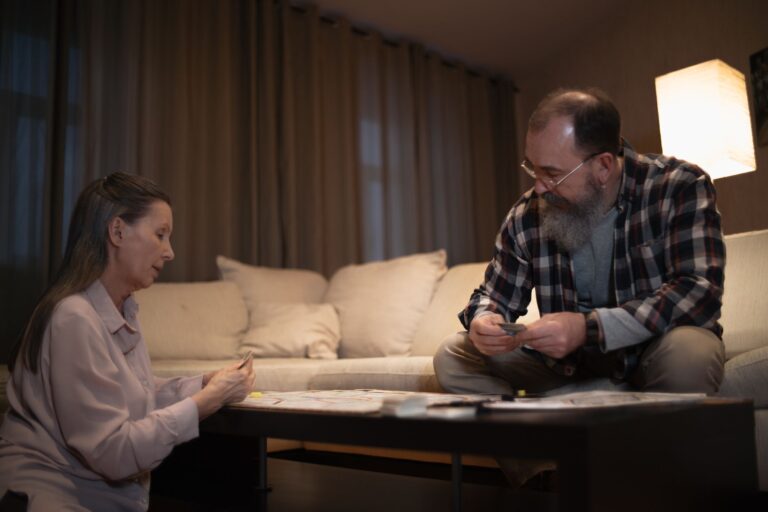
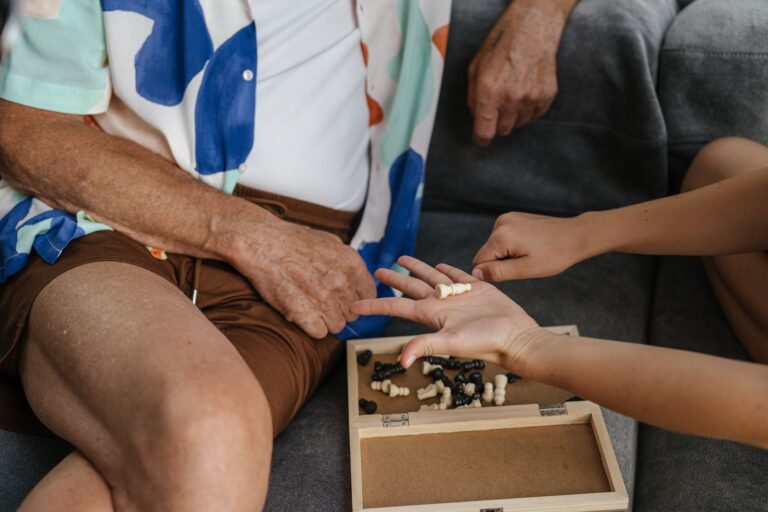
Yes, jigsaw puzzles support brain health, but regular long-term puzzling matters more than a short burst. They strongly engage memory, reasoning, flexibility and visuospatial perception. Visuospatial perception means judging shapes, positions and how parts fit in space. For dementia care, puzzles work best as one enjoyable part of an active daily routine.
Medical information disclaimer: This article is for general educational purposes only and does not provide medical advice, diagnosis, or treatment. Always consult a physician or other qualified health professional about symptoms, medications, tests, or treatment decisions.
Table of Contents
- What does the jigsaw research show?
- Why does long-term habit matter more?
- Do crosswords and other games help too?
- How should you fit puzzles into brain care?
What does the jigsaw research show?
In 100 healthy adults over age 50, jigsaw skill tracked with all tested cognitive abilities. Lifetime puzzle experience predicted global visuospatial cognition after adjustment for other risk factors, according to Ulm University researchers in the Ulm University study report.
A 30-day randomized PACE trial did not show more overall visuospatial gain than counseling. Within the puzzle group, though, more puzzling predicted more gain after baseline adjustment, according to the trial team in the randomized PACE trial analysis.
Why does long-term habit matter more?
Ulm researchers concluded that puzzling uses short- and long-term memory, deductive reasoning and cognitive flexibility. It also uses mental rotation and visuospatial perception.
Those demands add up over years rather than days. A steady habit likely supports cognition more than one intense month.
Do crosswords and other games help too?
Among more than 19,000 PROTECT participants ages 50-96, frequent crossword and Sudoku play predicted better attention, reasoning and memory. Regular word-puzzle users scored like people 10 years younger on reasoning and 8 years younger on short-term memory, according to University of Exeter and King's College London researchers in the University of Exeter announcement.
Older adults with mild cognitive impairment also benefited from active leisure. Mild cognitive impairment means early memory or thinking change that does not yet block daily life. Those reporting high participation in word games, reading and hobbies showed better memory, working memory, attention and processing speed.
How should you fit puzzles into brain care?
Greater late-life cognitive activity was linked to developing Alzheimer's dementia about 5 years later. Current activities drove that link more than education or early-life activity, in NIA-supported Rush research.
Puzzles are enjoyable and pose no health risks unlike some supplements. Still, little evidence proves they alone reduce dementia risk, so pair them with exercise, healthy eating and clinician advice on proven prevention.
- Puzzle 3-4 times weekly, as Texas A&M researchers suggested for people with mild cognitive impairment
- Pick a challenging but pleasant difficulty you will keep doing
- Mix jigsaws with reading, word games and social hobbies
- Ask your clinician about exercise, diet, sleep, hearing and vascular care